
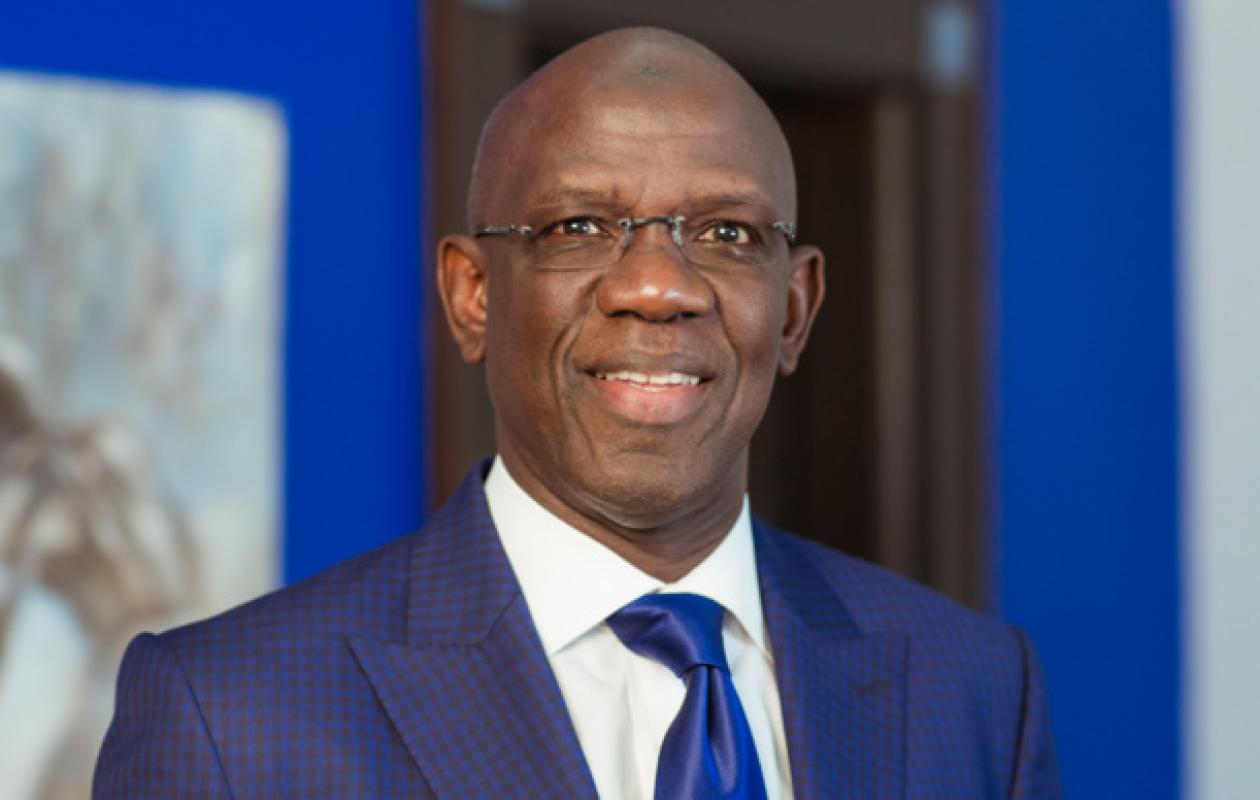
Senegalese Constitutional Council: Mame Adama Guèye Proposes Enhanced Accountability for Elected Officials
Summary
- Me Mame Adama Guèye proposes a constitutional reform to enshrine regular consultation and accounting as constitutional obligations for elected officials.
- The reform aims to strengthen accountability and transparency among elected officials, addressing concerns about the gap between ruling parties' votes and citizens' interests.
- An amendment approved by the National Assembly extends asset declaration obligations to key state authorities, enhancing transparency at the highest levels of institutions.
What Happened
Le fait d'être élu ne dispense pas de l'obligation de consulter et de rendre compte
Me Mame Adama Guèye, a prominent lawyer in Senegal, has proposed a constitutional reform that would enshrine the principle of 'citizens as mandators and elected officials as mandataries' in the country's Constitution. This principle would require elected representatives to regularly consult with citizens and provide an account of their mandate execution. The proposal is part of ongoing efforts to revise the Senegalese Constitution, which has been underway since 2022.
Legal Context
The proposed reform has significant implications for Senegal's constitutional framework, particularly regarding the role of the President of the Republic. An analysis by Professor Abdou Aziz Daba Kébé and Dr. Cheikh Diallo highlights the need to balance institutional equilibriums and define the limits of the President's constitutional status. The reform also raises questions about the place of the Constitutional Council in a process that relies on a reinforced majority vote.
In addition, an amendment approved by the National Assembly, proposed by President Bassirou Diomaye Faye, extends the obligation to declare assets to key state authorities, including the President of the National Assembly and the Prime Minister. This move is expected to enhance transparency at the highest levels of institutions and provide concrete content to the obligation to account.
Why It Matters
The proposed constitutional reform has far-reaching implications for Senegal's political landscape, emphasizing the need for elected officials to be accountable to citizens. Me Mame Adama Guèye stresses that this is not just a matter of good governance but a constitutional requirement. The reform aims to bridge the gap between the majority of votes secured by ruling parties and the actual representation of citizens' interests.
Lawyers should pay close attention to the potential implications of this proposed reform on accountability and transparency among elected officials in Senegal, including the obligation to consult regularly with citizens and render accounts.
Practical Implications
Lawyers should watch for the potential implications of this proposed constitutional reform on the accountability and transparency of elected officials in Senegal, including the obligation to consult regularly with citizens and render accounts.
Source
Source: Original reporting via Seneweb
How does this affect you?
Get an AI analysis of this article grounded in your jurisdictions, practice areas, and any policy documents you've uploaded to Wansom.
Wansom is AI and can make mistakes.