
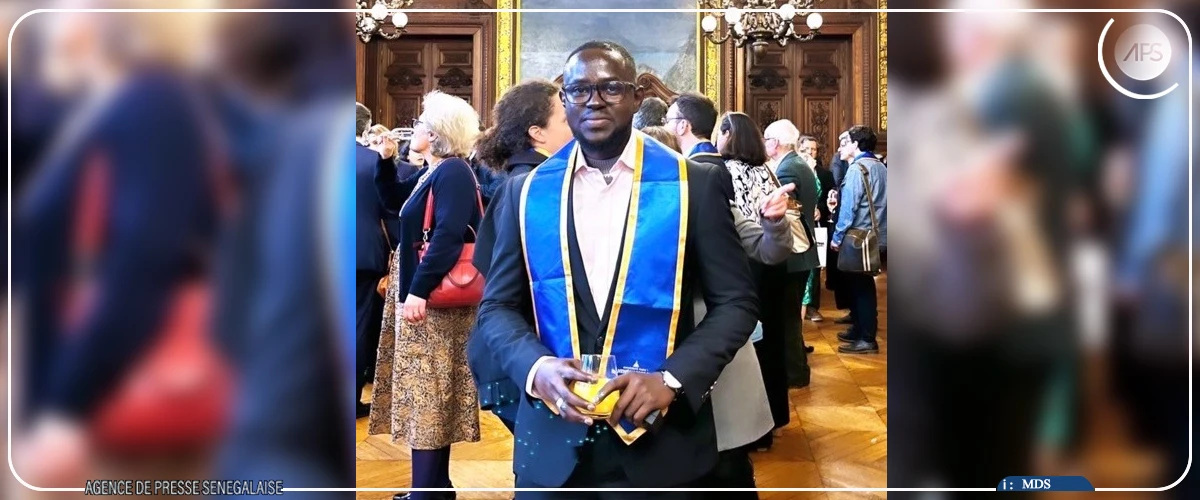
Senegalese Academic Discusses AI Copyright Challenges for Co-Created Works
In Senegal, on October 27, Abdoul Malick Ba, a political science doctor and university professor, highlighted the significant legal challenge posed by the rise of artificial intelligence (AI) in artistic and intellectual domains, specifically concerning the authorship of works co-produced with these technologies due to the difficulty in distinguishing human from machine contributions. This observation underscores a growing global concern within intellectual property law, particularly as AI tools become more sophisticated and integrated into creative processes.
This issue carries profound legal significance for practitioners, creators, and businesses involved in content creation, technology development, and intellectual property management. The traditional concept of authorship, central to copyright law, is predicated on human creativity and originality. When AI contributes significantly to a work, determining who holds the copyright – the human user, the AI developer, or neither – becomes complex. This ambiguity can lead to disputes over ownership, licensing, and infringement, potentially stifling innovation or creating legal liabilities. For businesses, clarity on AI-generated IP is crucial for asset valuation, commercialization strategies, and risk management.
Legally, this discussion touches upon fundamental principles of copyright law, including the requirement for human authorship and originality, as enshrined in international treaties like the Berne Convention and national intellectual property codes, such as Senegal's Law No. 2008-09 on Copyright and Related Rights. These frameworks were largely developed before the advent of advanced AI, and their application to AI-assisted creations is a subject of intense debate. The key parties involved in this evolving legal landscape include individual creators, AI developers, intellectual property offices responsible for registration, and courts that may ultimately be tasked with interpreting existing laws or new regulations. The academic's intervention serves as a call for proactive engagement with these challenges.
Practitioners in intellectual property law should closely monitor legislative and jurisprudential developments concerning AI and copyright, both domestically in Senegal and internationally. Advising clients on best practices for documenting human input in AI-assisted creations, drafting robust licensing agreements for AI tools, and understanding the potential for legislative reform or new judicial interpretations will be critical. Businesses should consider developing internal policies for AI usage in creative processes to mitigate future IP disputes. The outcome of specific legal cases or legislative actions addressing this challenge is not yet reported, but the discussion itself signals an urgent need for legal clarity.
How does this affect you?
Get an AI analysis of this article grounded in your jurisdictions, practice areas, and any policy documents you've uploaded to Wansom.
Finish Reading the Full Story and the Expert Analysis.
Wansom is AI and can make mistakes.