
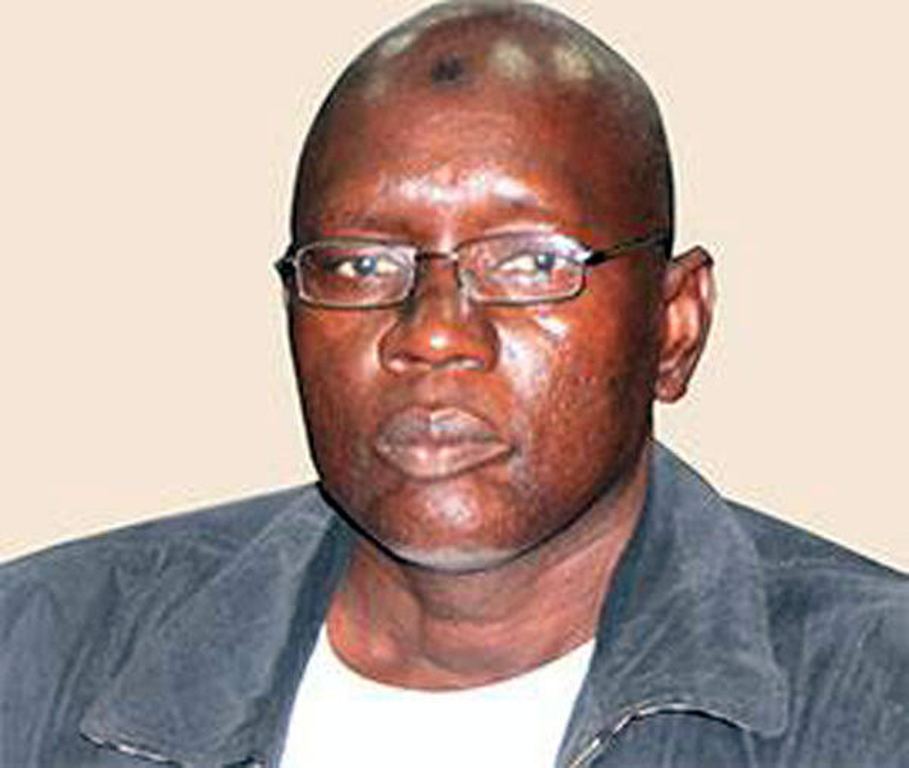
Gora Khouma: Senegalese Transport Operators Must Absorb Fuel Price Hike
Summary
- Gora Khouma, president of the Union des routiers du Sénégal, has urged transport operators to maintain current prices and avoid passing on fuel price hike costs to consumers.
- The supercarburant price has risen to 990 FCFA per liter and gasoil to 755 FCFA in Senegal, compared to neighboring Côte d'Ivoire's prices of 905 FCFA for super and 725 FCFA for gasoil.
- The government had initially budgeted 250 billion CFA francs for energy subsidies in 2026, but projections without adjustments now estimate the level at 1069 billion FCFA, up from 412 billion in 2025, to mitigate the impact on consumers.
- Transport operators are warned that passing on fuel price hike costs to consumers could lead to higher transport tariffs and further burden vulnerable populations.
Fuel Price Hike Sparks Concerns in Senegal
Nous, acteurs routiers, nous ne répondons pas à cette hausse pour hausser les prix du transport, que nous ne ferons pas.
The recent fuel price hike has sparked concerns among transport operators in Senegal, with the president of the Union des routiers du Sénégal, Gora Khouma, urging them to maintain current prices and avoid passing on the increased costs to consumers. The call comes as the supercarburant price has risen to 990 FCFA per liter and gasoil to 755 FCFA in Senegal, compared to 905 FCFA for super and 725 FCFA for gasoil in neighboring Côte d'Ivoire.
The fuel price hike is taking place amidst a backdrop of increased pressure on the country's finances. To mitigate the impact on consumers, the government had initially budgeted 250 billion CFA francs for energy subsidies in 2026, but projections without adjustments now estimate the level at 1069 billion FCFA, up from 412 billion in 2025, and reallocated 687.2 billion FCFA to maintain pump prices.
Gora Khouma's Statement: A Call for Responsibility
Gora Khouma has emphasized the need for transport operators to exercise responsibility in the face of the fuel price hike. He believes that consumers are already struggling to absorb additional costs and should not be burdened with 'paying the piper.' The president of the Union des routiers du Sénégal has also warned that the increased fuel prices could lead to higher transport tariffs, which would disproportionately affect vulnerable populations.
The measure exempts gas domestic and essence used by pirogues from the price hike, limiting pressure on essential uses. However, the focus remains on preventing transport operators from passing on their costs to consumers.
Ascosen's Position: No Tolerance for Transport Tariff Hikes
The president of the Ascosen, Momar Ndao, has also cautioned transport operators that 'no increase in transport tariffs will be tolerated.' He recalls that the association had requested a reduction in transport tariffs in December 2025, which was opposed by syndicates. The statement underscores the importance of maintaining current prices and avoiding price hikes that could further burden consumers.
Practical Implications
Lawyers and compliance officers should note that the refusal by transport operators in Senegal to pass on the recent fuel price hike to consumers may have implications for competition law and consumer protection regulations in the country.
Source
Source: Original reporting via RFM
How does this affect you?
Get an AI analysis of this article grounded in your jurisdictions, practice areas, and any policy documents you've uploaded to Wansom.
Wansom is AI and can make mistakes.