
Sénégal: Maisons du Service Public Déploiement Pôles Territoriaux Annoncé
Summary
- Mamadou Abdoulaye Touré announced the establishment of Public Service Houses in Senegal.
- These houses will be deployed across the nation's eight territorial poles.
- The initiative aims to improve citizen access to administrative services.
- It also seeks to simplify administrative procedures and reduce processing times.
- The announcement was made in Diourbel on Monday, October 26.
What Was Announced
For legal professionals and compliance officers operating within Senegal, the operationalization of these "Maisons du service public" warrants close attention.
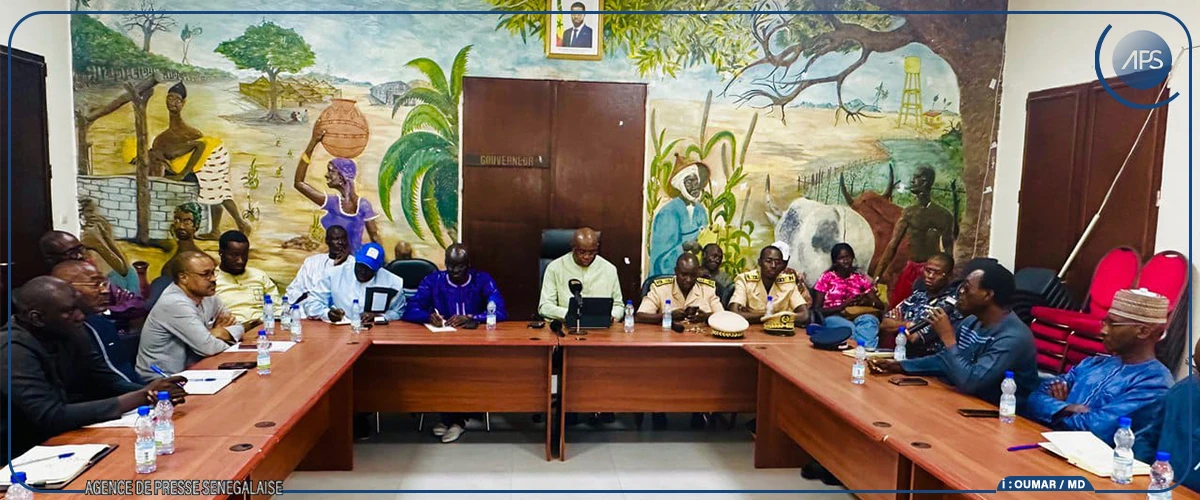
A significant expansion of public services across Senegal was recently unveiled by Mamadou Abdoulaye Touré, the Director of Public Sector Transformation. Speaking from Diourbel on Monday, October 26, Mr. Touré detailed the government's strategic plan to establish dedicated "Maisons du service public," or Public Service Houses, within each of the nation's eight territorial poles. This initiative represents a concerted effort to modernize and decentralize the delivery of essential governmental functions.
The announcement from Diourbel underscores a firm commitment to bringing administrative support closer to the populace. The deployment of these "Sénégal Maisons du service public déploiement pôles territoriaux" is not a localized pilot but a nationwide endeavor, aiming to address long-standing challenges related to accessibility and efficiency in public service provision across the country.
Strategic Objectives and Expected Outcomes
The establishment of these new public service houses is driven by a clear set of objectives designed to fundamentally enhance the user experience for citizens interacting with the state. A primary goal is to significantly facilitate "accès prestations administratives Sénégal," ensuring that geographical location no longer presents a barrier to accessing a wide array of essential governmental services.
Furthermore, the initiative is specifically engineered to achieve a substantial "simplification procédures administratives Sénégal." By consolidating various services under one roof and standardizing operational processes, the government aims to dismantle unnecessary complexities and bureaucratic hurdles that frequently characterize public administration. This simplification is anticipated to make navigating official requirements considerably less daunting for the average citizen.
A critical anticipated outcome of this comprehensive deployment is the "réduction délais administratifs Sénégal." Through the optimization of workflows and the centralization of resources within the "Maisons du service public," the project seeks to drastically cut down the time required for citizens to complete administrative tasks and receive official responses. This expected gain in efficiency is vital for fostering greater trust in public institutions and elevating the overall quality of governance.
Implications for Public Sector Transformation
This extensive "déploiement pôles territoriaux" forms a pivotal component of the broader "transformation secteur public Sénégal" agenda. The government's vision extends beyond mere physical presence, aiming for a fundamental shift in how public services are delivered and perceived. The integration of these houses into the eight territorial poles is expected to cultivate a more responsive, transparent, and citizen-centric administrative framework.
For legal professionals and compliance officers operating within Senegal, the operationalization of these "Maisons du service public" warrants close attention. The stated goals of simplifying administrative procedures and reducing processing times could have a direct and positive impact on the efficiency of client matters that necessitate interaction with government services. Faster processing of permits, licenses, and other official documents could significantly streamline legal and business operations, particularly in areas like Diourbel where the announcement was made.
The announcement regarding the "Sénégal Maisons du service public déploiement pôles territoriaux" signals a concerted effort to modernize the state's interface with its citizens. This strategic investment in infrastructure and process improvement is poised to reshape the landscape of public administration, offering tangible benefits in terms of accessibility, clarity, and speed for all users of governmental services.
Practical Implications
Lawyers and compliance officers in Senegal should monitor the operationalization of these new public service houses as they are intended to simplify administrative procedures and reduce processing times, which could impact the efficiency of client matters requiring interaction with government services.
Source
Source: Original reporting via APS
How does this affect you?
Get an AI analysis of this article grounded in your jurisdictions, practice areas, and any policy documents you've uploaded to Wansom.
Finish Reading the Full Story and the Expert Analysis.
Wansom is AI and can make mistakes.