
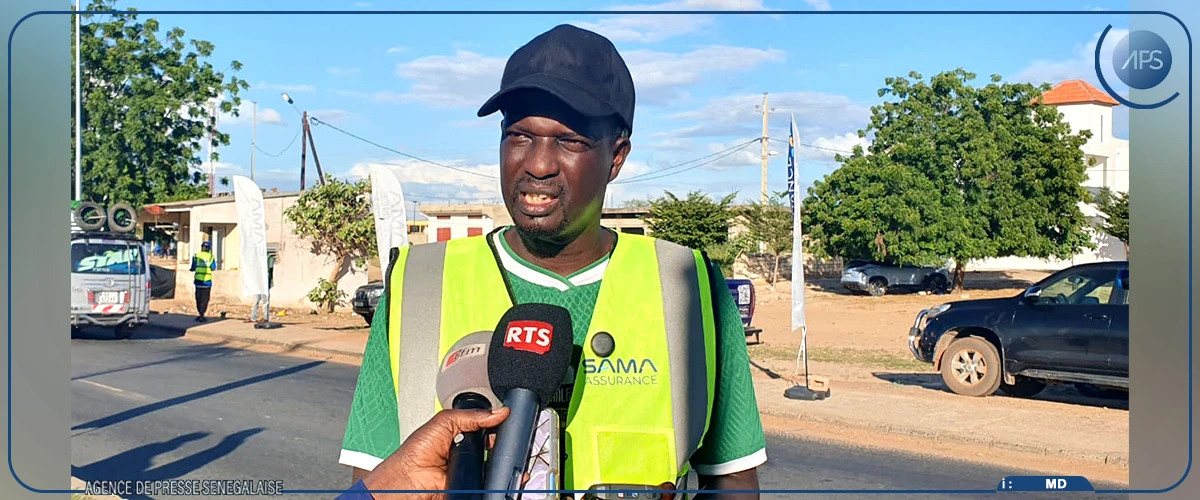
Sénégal Taux Non-Assurance Automobile 40%: Mamadou Guéye Révèle Risque Majeur
Summary
- Mamadou Guéye, Director General of the Fonds de garantie automobile, reported that 40% of vehicles in Senegal are uninsured.
- This significant statistic was revealed during his visit to Touba on a Wednesday in early October.
- Mr. Guéye called for stronger controls and the digitalization of the insurance system to combat fraud.
- These measures aim to improve compliance with mandatory insurance regulations and enhance road safety.
Alarming Uninsured Rate Revealed
The high Sénégal taux non-assurance automobile 40% presents a critical concern for policymakers and legal professionals alike.
Mamadou Guéye, the Director General of the Fonds de garantie automobile, recently brought to light a significant challenge confronting Senegal's road safety and insurance sector. During an official visit to Touba on a Wednesday in early October, he disclosed that an estimated 40% of all vehicles operating within the nation are currently without insurance coverage. This revelation highlights a substantial gap in adherence to mandatory insurance regulations and indicates widespread exposure to risk for both motorists and the general populace.
The high **Sénégal taux non-assurance automobile 40%** represents a critical concern for both policymakers and legal professionals. This figure, directly from the head of the national body responsible for ensuring compensation in incidents involving uninsured or unidentified vehicles, points to a pervasive issue that affects accident victims' ability to seek appropriate redress and places an undue burden on existing compensation mechanisms. The declaration by Mamadou Guéye serves as a stark reminder of the urgent necessity for comprehensive intervention.
Strategic Measures to Combat Fraud
In response to this concerning statistic, Mamadou Guéye outlined strategic imperatives designed to address the situation. He specifically advocated for a two-pronged approach, encompassing the reinforcement of existing controls and a concerted drive towards the digitalization of the national insurance system. These proposed measures are not merely administrative adjustments but are positioned as fundamental pillars in the broader **lutte fraude assurance Sénégal**. The Director General underscored that enhancing oversight mechanisms is vital for identifying and penalizing non-compliant vehicle owners, thereby fostering greater adherence to legal requirements.
The push for digitalization signifies a forward-thinking strategy aimed at modernizing the insurance landscape and improving data integrity. By transitioning to digital platforms, the Fonds de garantie automobile and other regulatory bodies can achieve enhanced transparency, streamline verification processes, and diminish opportunities for fraudulent activities. This initiative forms a key component of the evolving **réglementation assurance automobile Sénégal**, striving to create a more robust and equitable system for all stakeholders. Such technological advancements are anticipated to play a pivotal role in ensuring that a higher proportion of vehicles are properly insured, thereby mitigating the financial and social repercussions of accidents involving uninsured parties.
Broader Implications and Risk Factors
The widespread presence of uninsured vehicles, as evidenced by the 40% figure, carries profound implications for public safety and the process of legal recourse. When road accidents occur involving vehicles without valid insurance, victims frequently encounter significant obstacles in securing compensation for injuries or damages. This situation directly impacts the efficacy of the **Fonds de garantie automobile Sénégal**, which is tasked with providing indemnification in such scenarios, but whose resources can be strained by the sheer volume of uninsured incidents. The **risque véhicules non assurés Sénégal** extends beyond individual financial hardship, contributing to a general erosion of confidence in the legal and regulatory framework governing road transport.
For legal practitioners and compliance officers, this elevated rate of non-insurance necessitates a heightened awareness of potential liabilities and recovery challenges. Clients involved in road accidents must be thoroughly advised on the complexities of pursuing claims against uninsured parties and the specific role of the guarantee fund. Furthermore, the stated intent by Mamadou Guéye to strengthen controls and digitalize the system suggests impending regulatory shifts and increased enforcement. These developments will require continuous monitoring to ensure clients remain compliant and are adequately prepared for any changes in the operational landscape of vehicle insurance in Senegal.
Practical Implications
Lawyers and compliance officers in Senegal should advise clients on the heightened risks associated with road accidents involving uninsured vehicles, particularly regarding liability and claims recovery. They should also monitor for upcoming regulatory changes or enforcement actions from the Fonds de garantie automobile aimed at digitalizing the insurance system and combating fraud, which could impact vehicle owners and insurance providers.
Source
How does this affect you?
Get an AI analysis of this article grounded in your jurisdictions, practice areas, and any policy documents you've uploaded to Wansom.
Finish Reading the Full Story and the Expert Analysis.
Get the latest legal & regulatory intelligence in Senegal
Wansom is AI and can make mistakes.