
Senegal: Suspect N. Dieng Admits Insulting Customs Officer, Faces Charges
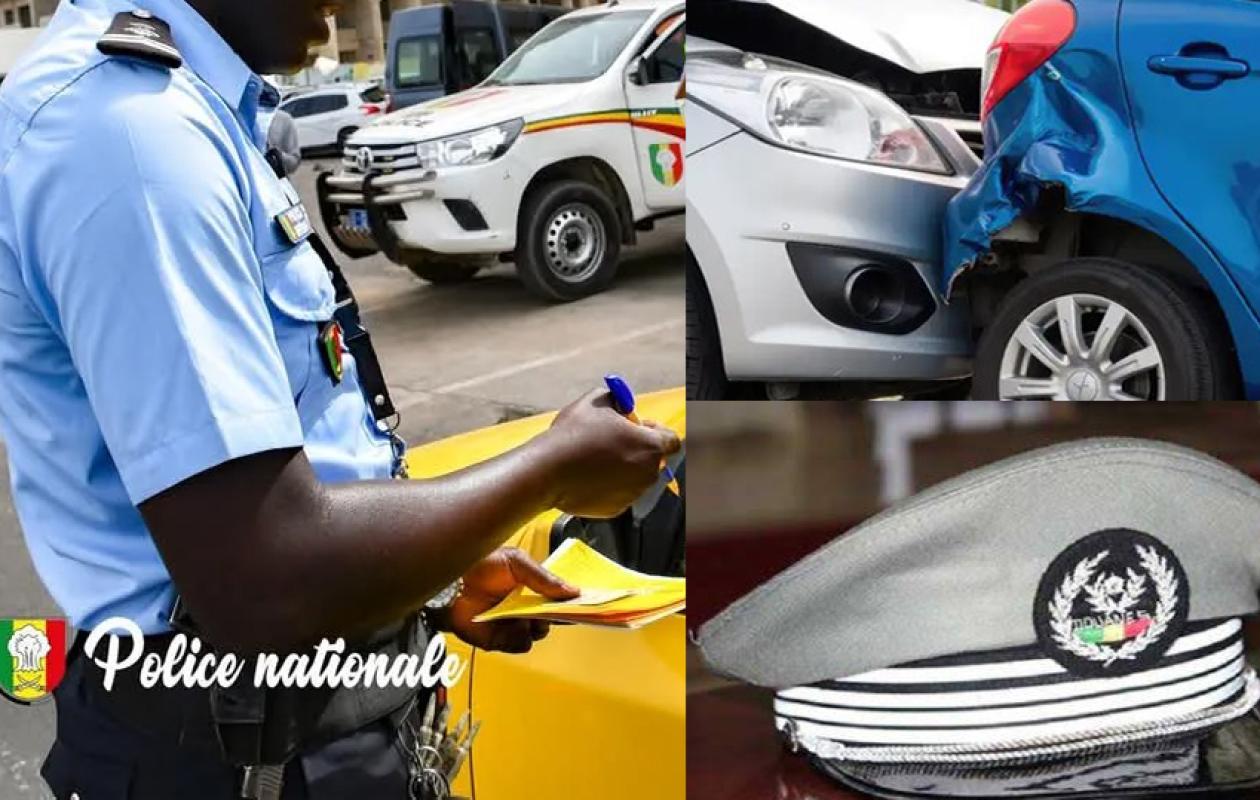
N. Dieng, a 19-year-old, was placed in police custody in Wakhinane Nimzatt, Senegal, on Monday evening after an incident involving a customs officer whom Dieng claims he mistook for a fake agent, following a collision between their vehicles.
This incident carries significant legal implications for public interaction with law enforcement and the defense of mistaken identity. While Dieng admitted to the facts of the altercation, his assertion that he believed the customs officer was an imposter attempting intimidation introduces a critical element regarding intent and the perception of authority. The case highlights the potential legal ramifications for individuals who obstruct or assault public officials, even if they claim a genuine misunderstanding of the official's identity or authority. The prosecutor's consultation before placing Dieng in custody underscores the procedural safeguards in place under Senegalese law.
The legal context for this matter primarily involves Senegal's criminal code, which addresses offenses such as insult, threat, and obstruction of public officials, often falling under articles related to 'outrage à agent' or 'rébellion.' The status of the customs officer as a public official provides specific legal protections, making offenses against them more serious. The defense of believing the officer to be a 'faux agent' could potentially invoke elements of self-defense or lack of criminal intent, depending on the specific circumstances and the court's interpretation. The Senegalese Code of Criminal Procedure dictates the process for arrest and detention, including the role of the prosecutor in authorizing custody.
Key parties involved include N. Dieng, the suspect; the customs officer, who is the alleged victim and a public official; the local police, who carried out the arrest; and the prosecutor, who authorized the initial custody. The outcome of this matter, including specific charges and any judicial proceedings, is not yet reported in the excerpt.
Practitioners in Senegal should closely monitor the progression of this case, particularly how the courts address the defense of mistaken identity concerning public officials. This could provide valuable insights into the interpretation of intent in offenses against state agents and the burden of proof for such claims. Attorneys should advise clients on the importance of verifying the identity of law enforcement or customs officials and the severe legal consequences of any actions that could be construed as obstruction or assault, even in situations of perceived ambiguity. Businesses whose operations involve frequent interactions with customs or other regulatory bodies should also ensure their personnel are well-versed in protocols for engaging with officials to avoid similar incidents.
How does this affect you?
Get an AI analysis of this article grounded in your jurisdictions, practice areas, and any policy documents you've uploaded to Wansom.
Finish Reading the Full Story and the Expert Analysis.
Get the latest legal & regulatory intelligence in Senegal
Wansom is AI and can make mistakes.