
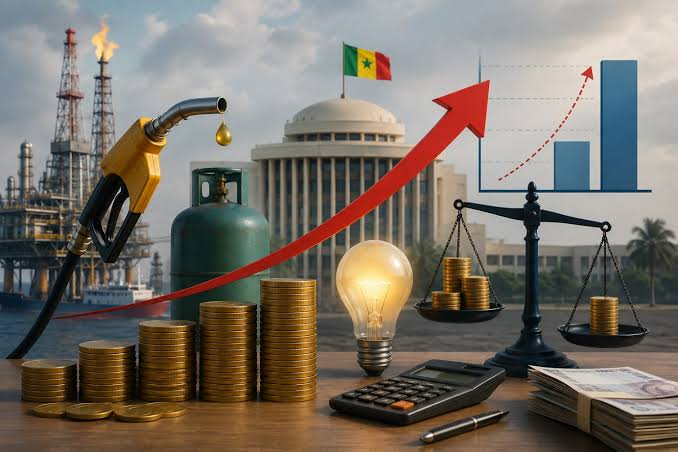
Sénégal: Subventions Énergétiques Capped at 1% PIB by 2029
Summary
- Senegal aims to reduce annual energy subsidies to less than 1% of GDP by 2029.
- This reform will introduce a "tarif social" to target electricity aid for low-consumption and vulnerable households, covering 40% of the population.
- Prime Minister Ahmadou Al Aminou Lo announced this policy shift during his Declaration of General Policy.
- The new strategy follows a 10% reduction in the first electricity consumption tranche, effective January 1, 2026, which impacted 2.6 million customers and cost Senelec 18.2 billion FCFA.
- Inter-ministerial meetings in early 2026 addressed potential tariff adjustments amid rising oil prices and global geopolitical events.
A New Era for Energy Subsidies in Senegal
Prime Minister Ahmadou Al Aminou Lo announced a clear objective during his Declaration of General Policy before the National Assembly: to cap annual energy subsidies at less than 1% of the nation's Gross Domestic Product (GDP) by the year 2029.
The Senegalese government has unveiled a significant overhaul of its energy subsidy framework, aiming to drastically reduce the overall cost while ensuring support for its most vulnerable citizens. Prime Minister Ahmadou Al Aminou Lo announced a clear objective during his Declaration of General Policy before the National Assembly: to cap annual energy subsidies at less than 1% of the nation's Gross Domestic Product (GDP) by the year 2029. This ambitious target signals a strategic shift in the country's approach to energy economics, moving away from broad-based support towards a more focused and efficient system.
Central to this Sénégal réforme subventions énergie is the introduction of a targeted aid mechanism, specifically concentrating electricity subsidies on households with low consumption and those identified as most vulnerable. This new system, dubbed the "tarif social," is designed to provide direct assistance where it is most needed. The government's plan outlines that this social tariff will extend its benefits to small domestic consumers and professionals operating with low power requirements, ensuring that essential energy access remains affordable for critical segments of the population.
The scope of this targeted intervention is substantial, with projections indicating that the "tarif social" mechanism will ultimately cover approximately 40% of the population, specifically those designated as disadvantaged households. This comprehensive approach underscores the government's commitment to reorganizing the entire public support system within the energy sector, aligning fiscal responsibility with social equity. The declaration by Ahmadou Al Aminou Lo énergie sets a definitive trajectory for Sénégal subventions énergétiques 1% PIB 2029, marking a pivotal moment in the nation's energy policy.
Preceding Adjustments and Economic Pressures
This forward-looking policy on Sénégal subventions énergétiques 1% PIB 2029 follows earlier adjustments within the electricity sector. Prior to the Prime Minister's recent announcement, a 10% reduction had already been implemented for the first tranche of electricity consumption, taking effect on January 1, 2026. This specific measure was designed to alleviate costs for a significant portion of the populace, impacting an estimated 2.6 million customers across the country.
However, such interventions come with financial implications for the national utility. The 10% reduction resulted in a substantial revenue shortfall of 18.2 billion FCFA for Senelec, highlighting the delicate balance between consumer affordability and the financial health of energy providers. The broader economic landscape has also played a crucial role in shaping these policy decisions. Authorities have been actively considering further Senelec ajustements tarifaires amidst a volatile global environment, particularly influenced by the conflict between Iran and the United States and the subsequent escalation in crude oil product prices.
These complex considerations necessitated intensive governmental deliberation. Inter-ministerial meetings dedicated to arbitrating energy pricing were convened over several months, specifically between March and May 2026. These discussions underscore the intricate challenges faced by the government in formulating a sustainable Politique énergétique Sénégal 2029 that addresses both domestic needs and international market realities.
Strategic Vision for Energy Affordability
The introduction of the Tarif social électricité Sénégal represents a cornerstone of the government's long-term strategy to ensure energy affordability while rationalizing public expenditure. By focusing subsidies on the most vulnerable and those with minimal consumption, the aim is to create a more equitable and sustainable energy market. This approach is intended to mitigate the financial burden on the state budget, which has historically absorbed significant costs through untargeted subsidies.
The commitment to bringing energy subsidies under 1% of GDP by 2029 is a clear indicator of Senegal's determination to achieve fiscal prudence in its energy sector. This Politique énergétique Sénégal 2029 is not merely about cost-cutting but about strategically reallocating resources to foster economic growth and social development. The government's intention to reorganize the entire public support system for energy signifies a comprehensive and integrated vision for the future of the nation's power supply and distribution.
Practical Implications
This signals a significant shift in Senegal's energy subsidy policy, moving towards targeted support and potential tariff adjustments. Lawyers and compliance officers advising energy companies, large industrial consumers, or businesses serving vulnerable populations should monitor the specific regulations and decrees implementing the 'tarif social' and other reforms, as these will directly impact operational costs, contractual obligations, and compliance requirements related to energy pricing and subsidies.
Source
How does this affect you?
Get an AI analysis of this article grounded in your jurisdictions, practice areas, and any policy documents you've uploaded to Wansom.
Finish Reading the Full Story and the Expert Analysis.
Wansom is AI and can make mistakes.