
Senegal's Public Deficit: Aïssata Tall Sall Raises Alarm Over 7.6% Projection
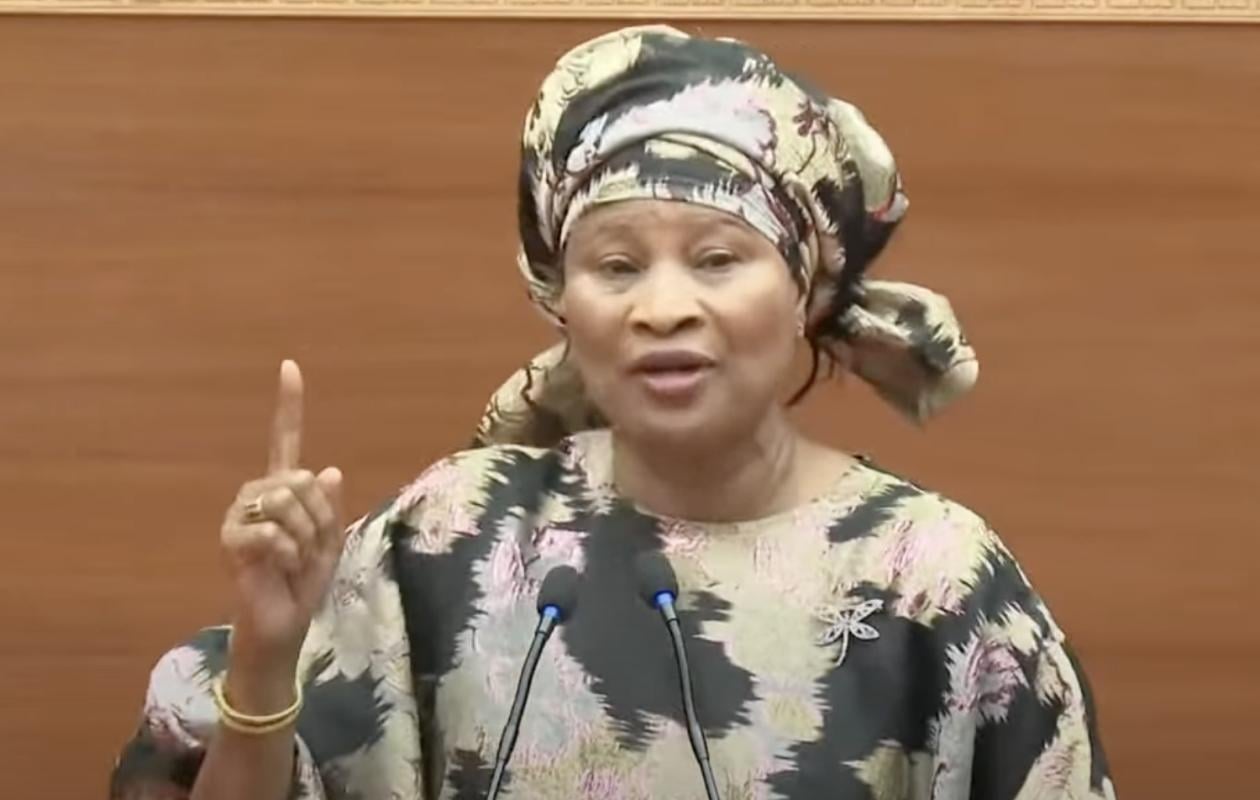
Aïssata Tall Sall, president of the Takku Wallu Sénégal parliamentary group, raised concerns on November 5 about Senegal's public deficit, which is now projected to reach 7.6% in the 2026 rectifying finance law, significantly exceeding the UEMOA convergence criterion of 3%. This alarming projection, up from an initial 3.4%, was highlighted during a press conference at the Alliance pour la République (APR) headquarters, where Sall criticized the impact on the credibility of the public finance recovery trajectory.
This development carries significant legal and economic implications for Senegal, as non-compliance with the UEMOA's fiscal convergence criteria can lead to sanctions, reduced access to regional financial markets, and a potential erosion of investor confidence. The substantial increase in the projected deficit signals underlying economic challenges and could necessitate difficult fiscal adjustments, impacting various sectors of the Senegalese economy and potentially leading to austerity measures or increased taxation.
The legal context for this issue is rooted in the UEMOA Treaty, which mandates member states to adhere to specific macroeconomic convergence criteria, including a budget deficit ceiling of 3% of GDP. Senegal's rectifying finance law (LFR) for 2026 is the legislative instrument that formalizes these new fiscal projections. The fact that Takku Wallu Sénégal abstained in commission on the LFR project on October 24 underscores the political and legislative scrutiny surrounding these fiscal figures and the potential for parliamentary opposition to the government's financial management.
The key parties involved include Aïssata Tall Sall and the Takku Wallu Sénégal parliamentary group, who are vocal critics of the current fiscal trajectory, and the Senegalese government, which is responsible for drafting and implementing the finance law. The UEMOA, as the regional economic body, sets the overarching fiscal rules that Senegal is expected to follow. The outcome of any potential UEMOA action or further legislative changes is not yet reported.
Practitioners, particularly those advising businesses or investors in Senegal, should closely monitor the final legislative process for the 2026 rectifying finance law and any subsequent government responses to address the widening deficit. Understanding the implications of this fiscal deviation from UEMOA standards is crucial for assessing economic stability, potential changes in tax policy, and the overall business environment. Attorneys should be prepared to advise clients on the potential for increased financial scrutiny, changes in public spending priorities, and the broader economic impact of a sustained high public deficit.
How does this affect you?
Get an AI analysis of this article grounded in your jurisdictions, practice areas, and any policy documents you've uploaded to Wansom.
Wansom is AI and can make mistakes.