
Senegal National Assembly: Waly Diouf Bodiang Comments on Initial Finance Law Rejection
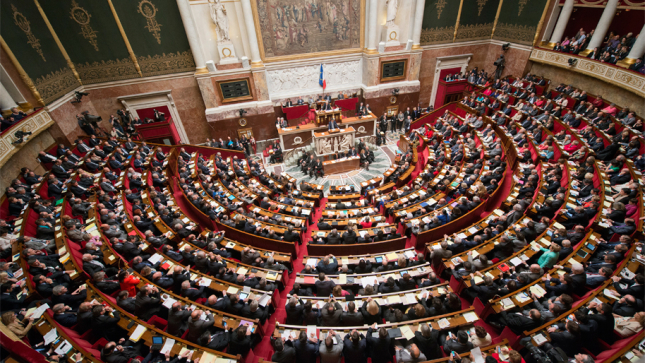
Waly Diouf Bodiang commented on the rejection of Senegal's initial finance law (LFI) by the National Assembly, drawing a parallel to a similar rejection in France, which he attributes to an equally responsible assembly. This statement highlights a significant parliamentary event where the legislative body has exercised its power to scrutinize and potentially block the government's proposed budget for the upcoming fiscal year.
The legal significance of an LFI rejection is profound, as it can lead to political instability, delays in government operations, and uncertainty for economic planning and public services. For practitioners, this signals a period of potential legislative deadlock or intense political negotiation, which can impact public procurement, government contracts, and the overall regulatory environment. The comparison to France suggests that such rejections, while impactful, are part of a robust democratic parliamentary process where legislative oversight is actively exercised.
In Senegal, the initial finance law is the cornerstone of the state's financial management, authorizing all revenue and expenditure for the fiscal year. Its rejection necessitates further parliamentary debate, amendments, or potentially a new government proposal, often under constitutional provisions that govern budget approval. While the specific articles of the Senegalese Constitution or organic laws governing the budget process are not detailed in the excerpt, the event underscores the critical role of the National Assembly in fiscal governance. The outcome of this matter is not yet reported.
Key parties involved in this development include Waly Diouf Bodiang, who offers commentary on the situation, and crucially, the Senegalese National Assembly, which rejected the LFI. The government, as the proposer of the LFI, is also a central party, now tasked with responding to this legislative setback. The French National Assembly is mentioned for comparative context, illustrating a similar exercise of legislative power in another jurisdiction.
Attorneys advising clients with interests in Senegal should closely follow the legislative and political developments surrounding the LFI. The rejection could lead to a provisional budget, delays in public spending, or a renegotiation of fiscal priorities, all of which can impact business operations, public procurement, and economic forecasts. Understanding the political dynamics and the legislative process for budget approval is crucial for strategic planning and for advising clients on potential risks and opportunities arising from the evolving fiscal landscape.
How does this affect you?
Get an AI analysis of this article grounded in your jurisdictions, practice areas, and any policy documents you've uploaded to Wansom.
Wansom is AI and can make mistakes.