
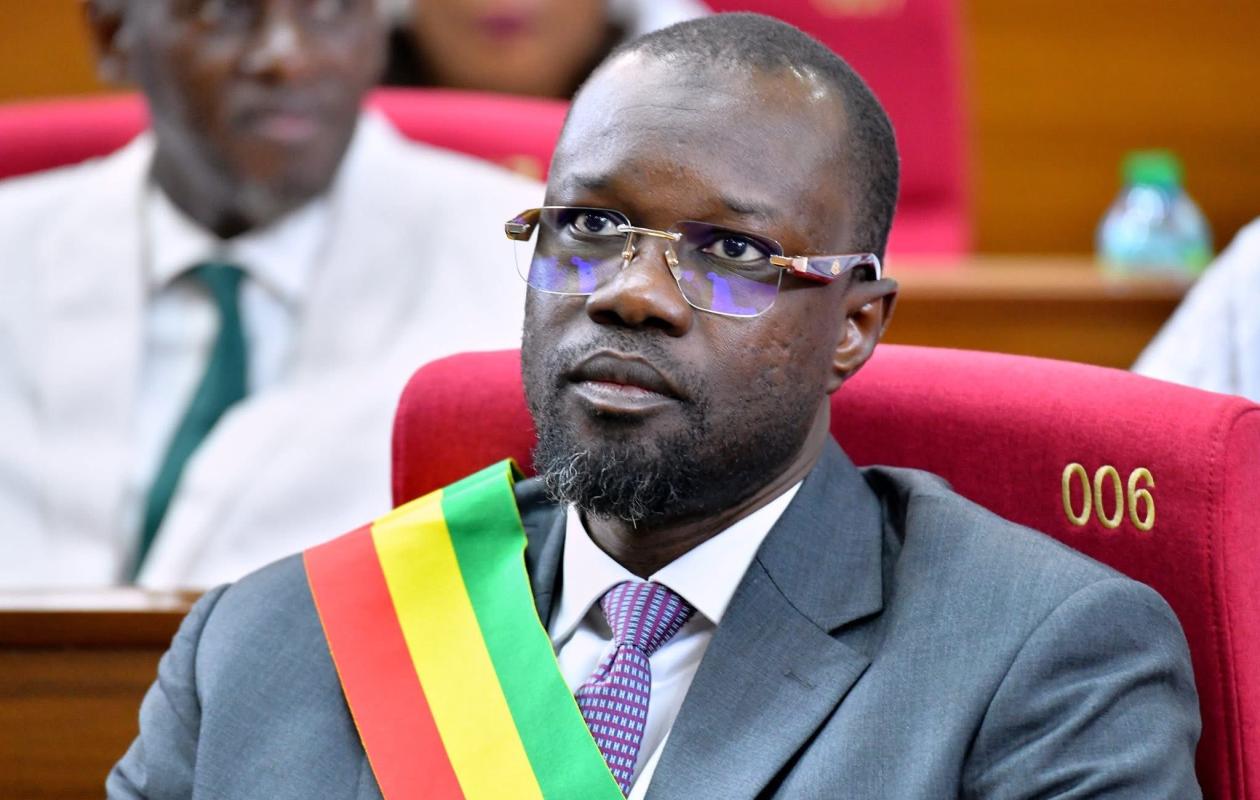
Senegal's Pastef Rejection Gives President Bassirou Diomaye Faye Advantage
Summary
- The Senegalese National Assembly rejected six amendments proposed by the executive branch.
- The rejection of the amendments has sparked two interpretations: one theory is that Pastef aimed to preserve a financial reserve for Ousmane Sonko, who is currently the President of the National Assembly, while another interpretation suggests that President Bassirou Diomaye Faye would have challenged the constitutionality of a text dedicated to the presidential function.
- The adopted law could potentially be subject to referendum arbitration, which may impact the 2029 presidential election.
What Happened
In both cases, the head of state appears to be in a position to benefit from the parliamentary rejection.
The Senegalese National Assembly, dominated by the Pastef party, recently rejected six amendments proposed by the executive branch. This decision is seen as a refusal to limit the political means linked to these credits. As a result, the credits are being analyzed as actual political funds. The issue remains sensitive in Senegal, where these envelopes are voted on without detailed breakdowns or specific indications of their destination.
The rejection of the amendments has sparked two interpretations. One theory is that Pastef aimed to preserve a sufficient financial reserve for Ousmane Sonko, who is currently the President of the National Assembly, ahead of upcoming electoral events. Another interpretation suggests that the adoption of the amendments would have allowed President Bassirou Diomaye Faye to challenge the constitutionality of a text dedicated to the presidential function, but supplemented by provisions concerning the National Assembly.
In both cases, the head of state appears to be in a position to benefit from the parliamentary rejection.
Legal Context
The adopted law could potentially be subject to referendum arbitration. Senegal7 notes that President Bassirou Diomaye Faye, who controls the calendar, may organize this consultation just before the 2029 presidential election. In May 2026, the president justified maintaining political funds by their utility for intelligence and solidarity. Ousmane Sonko, the current President of the National Assembly, had previously declared having an envelope of 1.77 billion CFA francs at his disposal, compared to approximately 11 billion for the President of the Republic.
The adoption of a law that may be subject to referendum raises potential constitutional challenges and compliance exposures for lawyers to consider. The implications of this development could impact the 2029 presidential election.
Why It Matters
The rejection of the amendments has significant implications for the political landscape in Senegal. President Bassirou Diomaye Faye appears to be in a strong position, with potential advantages arising from the parliamentary rejection. The adoption of a law that may be subject to referendum also raises important questions about constitutional challenges and compliance exposures.
Lawyers should closely monitor this development, as it has the potential to impact the 2029 presidential election. The situation remains sensitive, and all parties involved must carefully consider their next steps.
Practical Implications
Lawyers should watch for potential constitutional challenges and compliance exposures arising from the adoption of a law that may be subject to referendum, which could impact the 2029 presidential election.
Source
Source: Original reporting via Senegal7
How does this affect you?
Get an AI analysis of this article grounded in your jurisdictions, practice areas, and any policy documents you've uploaded to Wansom.
Wansom is AI and can make mistakes.