
Sénégal: Rejet LFR 2026 Menace Financement FMI de 2.2 Milliards
Summary
- Senegal's parliament rejected the Loi de finances rectificative 2026 (LFR 2026), raising concerns about the nation's financial stability.
- Public finance expert Idrissa Junior Diallo warns of potential treasury tensions and increased arrears for government suppliers, impacting economic activity.
- The rejection could delay or complicate the finalization of a 2.2 billion dollar financing program with the International Monetary Fund (FMI).
- This situation risks hindering access to external financing and damaging Senegal's credibility with international markets and lenders.
- The incident highlights an institutional confrontation between the parliamentary majority and the executive, potentially leading to a political or institutional crisis.
What Happened
In light of these multifaceted challenges, Diallo concluded that the nation is now entering a period of heightened risk.
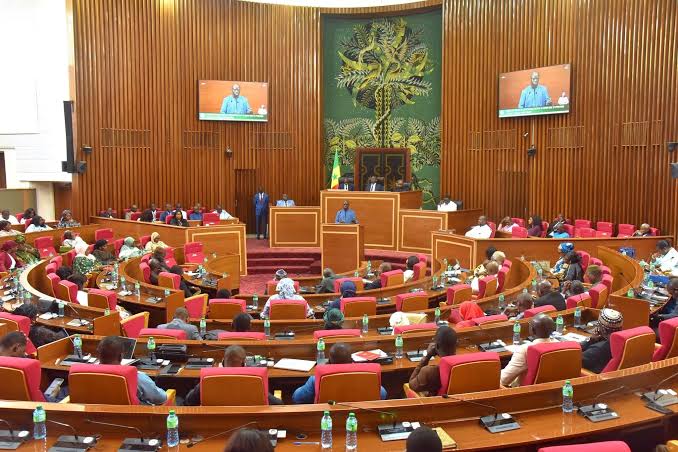
The recent rejection of the Loi de finances rectificative 2026 (LFR 2026) by Senegal's parliament has sparked significant concern regarding the nation's financial stability and its international standing. Public finance expert Idrissa Junior Diallo has voiced apprehension that this legislative setback could lead to considerable treasury pressures and an increase in outstanding payments owed to various businesses. This alert, initially reported by PressAfrik, underscores potential immediate challenges for the Senegalese economy.
Diallo's analysis of the LFR rejection suggests a direct threat to the government's ability to meet its financial obligations. The consultant's warnings highlight the critical nature of the supplementary finance law for maintaining fiscal equilibrium and ensuring the smooth functioning of state operations. The parliamentary decision has thus created an environment of uncertainty for both domestic enterprises and international partners.
Economic Implications
According to Diallo, the parliamentary decision to reject the LFR 2026 is likely to complicate the timely settlement of debts to government suppliers, particularly those in the crucial construction and public works sectors. Such payment delays are anticipated to have a cascading negative effect, potentially impacting employment rates, diminishing the country's economic attractiveness, and generally slowing down overall economic activity. This impact of the rejet LFR 2026 Sénégal could therefore extend beyond immediate fiscal concerns to broader socio-economic stability.
Furthermore, the consultant highlighted concerns about the state's capacity to finance essential energy needs. He suggested that without an increase in fuel and electricity prices – a measure that would inevitably strain the purchasing power of Senegalese citizens – covering expenditures in this vital sector could become increasingly difficult. This dilemma places the government in a precarious position, balancing necessary public services with the avoidance of measures that could exacerbate living costs for the populace.
International Financing and Fiscal Outlook
A critical point of uncertainty arising from the Sénégal rejet LFR 2026 is its potential effect on the nation's program with the International Monetary Fund (FMI). Idrissa Junior Diallo has indicated that the rejection could introduce delays or complications in finalizing this crucial agreement. The financement FMI Sénégal 2.2 milliards represents a substantial injection of funds, and any impediment to securing these approximately 2.2 billion dollars could severely impact the country.
Diallo warned that such a scenario might restrict Senegal's access to other external financing sources and could undermine its credibility among international markets and lenders. Despite projections of 6.7% real GDP growth in 2025, primarily driven by the hydrocarbon sector, and a notable reduction in the budget deficit from 13.4% to 6.4% of GDP, Senegal's public debt vulnerabilities remain elevated. This inherent fragility means that any uncertainty surrounding government revenues, expenditures, or the availability of external financing becomes particularly acute, making the impact of the rejet LFR 2026 Sénégal a matter of serious concern for economic observers.
Political Context
Beyond the immediate financial implications, the rejection of the supplementary finance law has exposed an underlying institutional confrontation within Senegal's political landscape. Idrissa Junior Diallo described this as a clash between the parliamentary majority, largely composed of members from Pastef, and the executive branch, led by President Bassirou Diomaye Faye. While acknowledging the Parliament's legitimate role in exercising budgetary control, Diallo expressed significant concern over the apparent lack of a substantive debate surrounding the rejection.
This absence of thorough discussion is particularly troubling given the executive's stated constraints concerning energy provisions, revenue generation, and its commitments to the FMI. The escalating tensions between the Executive and Legislative branches are fueling fears of a broader political or crise institutionnelle Sénégal budget. The government now faces the delicate task of balancing its pursuit of economic sovereignty with the necessity of adhering to the requirements set forth by the FMI. In light of these multifaceted challenges, Diallo concluded that the nation is now entering a period of heightened risk.
Practical Implications
Lawyers advising businesses with government contracts in Senegal should anticipate potential delays in state payments and increased arrears due to the rejection of the 2026 supplementary finance law. Compliance officers must monitor Senegal's financial stability and its relationship with the IMF, as this development signals heightened financial and political risk that could affect investment and operational decisions.
Source
How does this affect you?
Get an AI analysis of this article grounded in your jurisdictions, practice areas, and any policy documents you've uploaded to Wansom.
Wansom is AI and can make mistakes.