
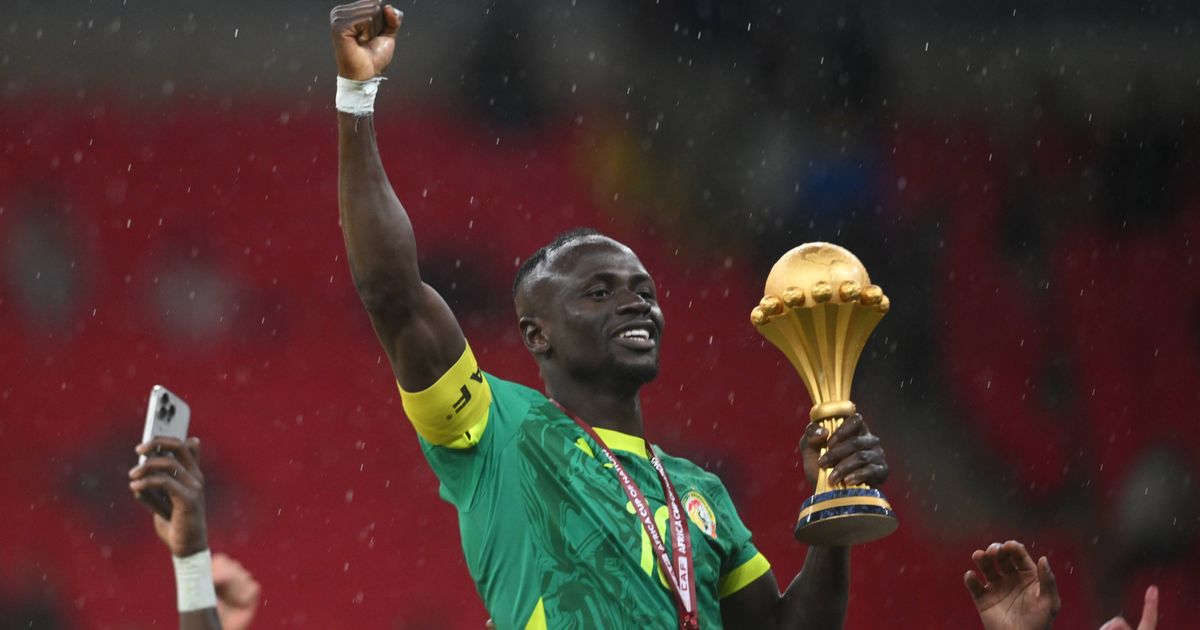
Sénégal: Recours TAS CAN Finale Challenges CAF Morocco Title
Summary
- Sénégal has formally appealed to the Court of Arbitration for Sport (TAS) to contest the attribution of the Africa Cup of Nations (CAN) title to Morocco, despite winning the final 1-0 on the field.
- The appeal challenges a decision by the Confédération africaine de football (CAF) stemming from a controversial penalty awarded to Morocco by referee Jean-Jacques Ndala after a VAR check in added time of the January 18 final.
- Sénégal's appeal seeks the annulment of the CAF decision and recognition of the Fédération sénégalaise de football as the competition's rightful winner.
- The TAS examined the Senegalese appeal during a closed-door hearing on Thursday, October 8, meaning public access to the debates was restricted.
- No verdict was immediately announced following the hearing, highlighting the deliberative nature of international sports arbitration.
Disputed CAN Final Heads to Arbitration
The use of closed-door hearings, while ensuring confidentiality, also raises questions about transparency in high-profile international sports disputes.
The outcome of a significant football match, the final of the Africa Cup of Nations (CAN), has been formally challenged by Sénégal, despite their 1-0 victory on the field. The Senegalese football federation is contesting the decision by the Confédération africaine de football (CAF) that ultimately awarded the championship title to Morocco. This contentious `CAN finale Sénégal Maroc litige` has now escalated to the Court of Arbitration for Sport (TAS), the international body for sports arbitration.
The core of the dispute centers on an incident during the final match, which took place on January 18. In added time, referee Jean-Jacques Ndala awarded a penalty to Morocco following a review by the Video Assistant Referee (VAR) system. It is this specific decision and its subsequent impact on the title attribution that Sénégal is seeking to overturn through the arbitration process.
Sénégal's appeal to the TAS specifically requests two key outcomes: the annulment of the CAF's decision regarding the final, and the official recognition of the Fédération sénégalaise de football as the rightful winner of the competition. This legal challenge underscores the complexities that can arise in high-stakes international sporting events, particularly when controversial officiating decisions are involved.
Closed-Door Hearing at the Court of Arbitration for Sport
The `recours huis clos TAS` filed by Sénégal was heard by the Court of Arbitration for Sport on Thursday, October 8. This hearing was conducted behind closed doors, a standard practice in many arbitration proceedings, particularly those involving sensitive commercial or reputational matters. A closed-door hearing, by definition, restricts public access to the debates and arguments presented by the parties involved, ensuring a level of confidentiality.
This procedural choice highlights the nature of `arbitrage sportif Sénégal` at the international level, where discretion can be prioritized. While Foot01 reported on the TAS's examination of the case on the specified Thursday, no immediate verdict was made public from the available information. The absence of an immediate public announcement is typical for arbitration cases, where decisions often follow a period of deliberation by the arbitrators.
The process at the TAS provides a crucial avenue for challenging decisions made by sports federations, such as the `Confédération africaine de football décision`. It allows aggrieved parties to seek an independent review of administrative or sporting rulings, ensuring that disputes are resolved according to established legal principles and sporting regulations, even if the proceedings themselves are not open to public scrutiny.
Significance for Sports Law and Governance
The `Sénégal recours TAS CAN finale` case serves as a pertinent example of the mechanisms available for challenging major sporting decisions at the highest level. It demonstrates how national federations can leverage international arbitration bodies like the TAS to seek redress when they believe a significant injustice has occurred, even after a match has concluded and a title awarded.
For legal professionals and stakeholders in sports governance, this case underscores the importance of understanding the procedural intricacies of the Court of Arbitration for Sport. The use of closed-door hearings, while ensuring confidentiality, also raises questions about transparency in high-profile international sports disputes. However, it remains a critical component of the global sports legal framework, offering a final recourse for resolving complex disagreements that cannot be settled within the federations themselves.
Ultimately, the outcome of such a challenge, whenever it is announced, will not only determine the fate of the CAN title but also contribute to the evolving jurisprudence of sports arbitration, influencing how similar disputes might be handled in the future. The ongoing nature of this `arbitrage sportif Sénégal` at the TAS reinforces the principle that even on-field victories can be subject to rigorous legal scrutiny.
Practical Implications
This case demonstrates the process for challenging decisions made by sports federations through the Court of Arbitration for Sport (TAS), particularly highlighting the use of closed-door hearings in sensitive arbitration matters. Lawyers involved in sports law or international arbitration should note the procedural aspects and confidentiality implications of such disputes.
Source
Source: Original reporting via Senego
How does this affect you?
Get an AI analysis of this article grounded in your jurisdictions, practice areas, and any policy documents you've uploaded to Wansom.
Finish Reading the Full Story and the Expert Analysis.
Get the latest legal & regulatory intelligence in Senegal
Wansom is AI and can make mistakes.