
Sénégal: Protection Savoirs Traditionnels, Recherche Agricole Débattue
Summary
- Researchers in Dakar recently emphasized the critical importance of protecting traditional African knowledge and strengthening agricultural research.
- These efforts are considered major stakes for resource valorization and achieving agricultural sovereignty across the continent.
- The discussion took place at a reflection activity organized by the agricultural sciences section of the National Academy of Sciences.
- The event highlighted the symbiotic relationship between indigenous practices and contemporary scientific advancements for sustainable development.
- The dialogue signals potential future policy developments in Senegal regarding intellectual property rights for traditional agricultural knowledge.
What Happened
The discussions in Dakar implicitly point towards potential future legislative or policy developments concerning the protection of traditional agricultural knowledge and intellectual property rights in Senegal.
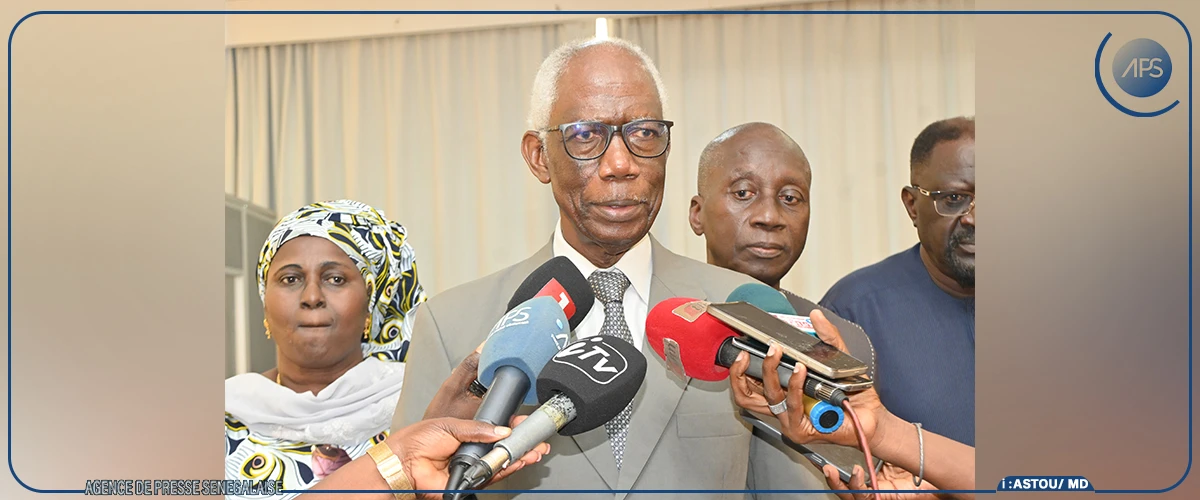
A recent strategic discussion held in Dakar underscored the critical importance of safeguarding traditional African knowledge and enhancing agricultural research capabilities. On a Wednesday, researchers participating in a reflection activity, organized by the agricultural sciences section of the National Academy of Sciences, convened to address these pressing issues. The gathering highlighted that these two areas are fundamental pillars for the effective valorization of resources and the pursuit of agricultural sovereignty, not just for Senegal but for the entire African continent. The dialogue specifically centered on the imperative for Sénégal protection savoirs traditionnels recherche agricole, signaling a concerted effort to integrate indigenous practices with modern scientific inquiry.
The session, hosted by the Académie nationale des sciences Sénégal, served as a platform for experts to exchange perspectives on how best to fortify the research framework while simultaneously ensuring the preservation and appropriate utilization of ancestral agricultural wisdom. Participants emphasized that a robust research ecosystem, coupled with respectful engagement with traditional knowledge holders, is essential for sustainable development. This event reflects a growing recognition within the scientific community of the symbiotic relationship between inherited practices and contemporary scientific advancements in addressing food security and economic development challenges.
Legal and Policy Context
The discussions in Dakar implicitly point towards potential future legislative or policy developments concerning the protection of traditional agricultural knowledge and intellectual property rights in Senegal. The emphasis on "droit savoirs traditionnels Afrique" suggests a move towards formalizing mechanisms that recognize and protect the contributions of local communities. Currently, many traditional practices and genetic resources remain unprotected by conventional intellectual property frameworks, leaving them vulnerable to exploitation. This dialogue indicates a strategic shift towards developing frameworks that could grant communities greater control over their heritage.
The concept of "Sénégal souveraineté agricole" was a recurring theme, linking the protection of indigenous knowledge directly to national self-reliance in food production. By safeguarding traditional seeds, cultivation methods, and ecological understanding, Senegal aims to reduce dependence on external agricultural inputs and technologies. This approach aligns with broader continental aspirations for food security and economic independence, making the "protection ressources génétiques Sénégal" a key component of national strategy. The integration of traditional knowledge into formal research also raises questions about "propriété intellectuelle agricole Sénégal" and how benefits derived from such integration can be equitably shared with the original knowledge holders.
Why It Matters
The implications of these discussions extend beyond academic circles, impacting policy-making, legal frameworks, and agricultural practices across the nation. The researchers' assertion that protecting traditional knowledge and strengthening research are "enjeux majeurs" for resource valorization and agricultural sovereignty highlights the profound societal and economic stakes involved. Effective implementation of policies stemming from these discussions could lead to enhanced biodiversity conservation, improved crop resilience, and the development of sustainable agricultural systems tailored to local conditions. This approach is vital for ensuring long-term food security and environmental stewardship.
Furthermore, the involvement of the Académie nationale des sciences Sénégal underscores the institutional commitment to these issues. Such high-level engagement signals that the valorization of traditional resources and the advancement of agricultural science are being treated as national priorities. For legal professionals and businesses operating in the agricultural or biotechnology sectors, these ongoing dialogues are crucial indicators of emerging regulatory landscapes. Future frameworks could introduce new compliance obligations related to the sourcing, use, and benefit-sharing of traditional knowledge and genetic resources, making it imperative to monitor developments in "droit savoirs traditionnels Afrique" closely.
Practical Implications
This discussion signals potential future legislative or policy developments in Senegal concerning the protection of traditional agricultural knowledge and intellectual property rights. Lawyers advising clients in the agricultural sector or biotechnology should monitor these discussions for emerging regulatory frameworks or compliance obligations related to resource valorization and agricultural sovereignty.
Source
Source: Original reporting via APS.
How does this affect you?
Get an AI analysis of this article grounded in your jurisdictions, practice areas, and any policy documents you've uploaded to Wansom.
Finish Reading the Full Story and the Expert Analysis.
Get the latest legal & regulatory intelligence in Senegal
Wansom is AI and can make mistakes.