
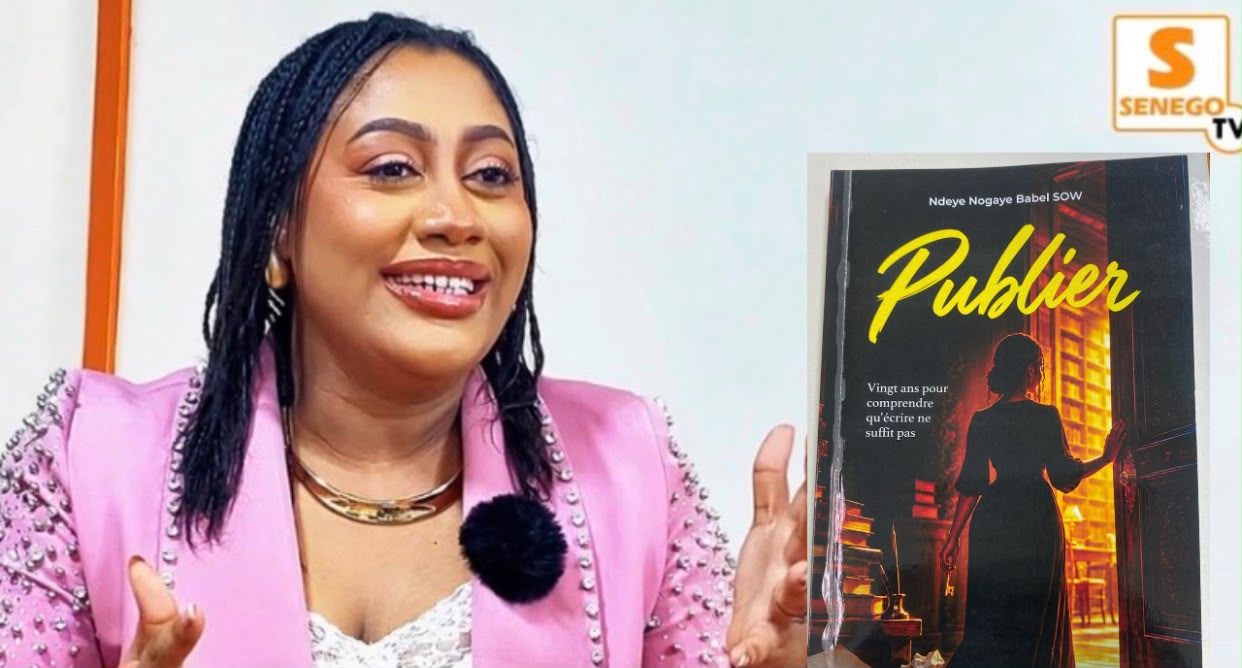
Ndeye Nogaye Babel Sow: AI a Tool for Literature in Senegal
Summary
- Ndeye Nogaye Babel Sow, also known as Mme Niass, has shared her views on artificial intelligence in literature.
- Her commentary comes amid the increasing integration of AI within the global publishing industry.
- She primarily considers AI to be a valuable work tool for literary creation.
- Mme Niass advocates against the demonization of artificial intelligence.
The Evolving Landscape of Literary Creation
Ndeye Nogaye Babel Sow presents a distinctly pragmatic and balanced view on artificial intelligence, fundamentally characterizing it as an instrumental tool rather than an autonomous creative entity.
The global publishing sector is currently undergoing a significant transformation, largely influenced by the rapid advancements and increasing integration of artificial intelligence. This technological surge has prompted numerous figures within the literary community to articulate their perspectives on the evolving role and potential impact of AI on creative endeavors. Among these voices is Ndeye Nogaye Babel Sow, widely recognized as Mme Niass, who has recently shared her considered opinion regarding the appropriate place of this technology within the realm of literature. Her insights are particularly relevant as the industry grapples with the implications of AI tools for authorship, production, and dissemination of written works.
The context for Mme Niass's commentary is the undeniable rise of AI applications across various facets of the publishing world. From assisting with manuscript generation and editing to streamlining translation processes and personalizing reader recommendations, AI's footprint is expanding. This proliferation naturally sparks debate about the boundaries of human creativity, intellectual property, and the future trajectory of literary arts. Mme Niass's contribution to this discourse offers a critical viewpoint from an experienced individual within the cultural landscape, aiming to provide clarity amidst the rapid technological shifts.
A Pragmatic Perspective on AI's Utility
Ndeye Nogaye Babel Sow presents a distinctly pragmatic and balanced view on artificial intelligence, fundamentally characterizing it as an instrumental tool rather than an autonomous creative entity. Her assessment underscores AI's function as an aid, designed to support and enhance human efforts in the literary process. This framing suggests a practical approach to integrating advanced technological capabilities into creative workflows, emphasizing its utility in assisting authors and publishers without necessarily diminishing the human element of creation. She posits that AI serves as a resource, capable of performing specific tasks that can facilitate the broader objectives of literary production.
Crucially, Mme Niass advocates for a measured and rational engagement with artificial intelligence, explicitly stating that it should not be "demonized." This stance calls for moving beyond initial apprehension or fear, encouraging a more objective evaluation of AI's potential. By reframing AI as a valuable, albeit non-sentient, work tool, she encourages stakeholders in the literary world to explore its benefits constructively, rather than dismissing it outright due to misconceptions or anxieties about its capabilities. Her perspective suggests that understanding AI's limitations and strengths is key to harnessing its power responsibly.
Influencing Senegal's Literary Dialogue
The opinions articulated by Ndeye Nogaye Babel Sow, known to many as Mme Niass, are significant contributions to the ongoing discussion surrounding intelligence artificielle within Senegal's vibrant literary and publishing sectors. Her public statements reflect a growing engagement with global technological trends that are inevitably reshaping creative industries, even in regional contexts. As the AI publishing industry in Senegal begins to navigate these complex changes, the insights from respected cultural figures like Mme Niass become increasingly vital for informing future strategies and regulatory considerations.
Her emphasis on AI as a supportive instrument, rather than an inherent threat to human creativity, is likely to influence how authors, publishers, and policymakers in Senegal approach the adoption and governance of these emerging technologies. This measured outlook fosters an environment conducive to the constructive exploration of how AI can potentially enhance literary production and dissemination within the country, promoting innovation while simultaneously addressing legitimate concerns about its ethical and practical implementation. Such perspectives are essential for developing a nuanced understanding of AI's place in Senegal's cultural future.
Practical Implications
Lawyers and compliance officers should monitor the evolving legal landscape in Senegal concerning intellectual property rights and copyright ownership for literary works created or assisted by AI. This development highlights the need to advise clients in the publishing sector on potential infringement risks, licensing agreements, and the ethical use of AI tools to ensure compliance with future regulations.
Source
Source: Original reporting via Senego.
How does this affect you?
Get an AI analysis of this article grounded in your jurisdictions, practice areas, and any policy documents you've uploaded to Wansom.
Wansom is AI and can make mistakes.