
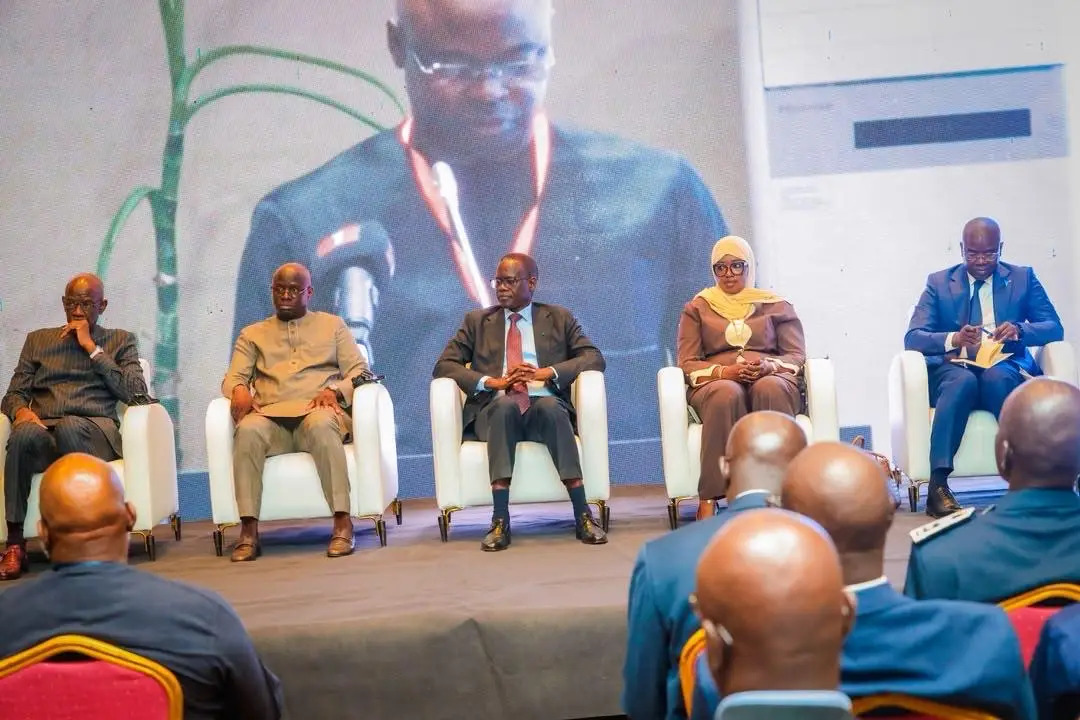
Senegal Prime Minister Urges Greater Transparency, Integrity in Port Governance
In Senegal, Prime Minister Ahmadou Alhaminou Mohamed LO, at the opening of the first Maritime Anti-Corruption Network (MACN) Forum, called for enhanced transparency and integrity in port governance, linking this objective to the national transformation agenda "Sénégal 2050" and addressing prior allegations of corruption at the Port of Dakar. This initiative aims to move beyond mere infrastructure modernization to ensure the overall performance and trustworthiness of the sector.
This initiative signals a strong governmental commitment to combating corruption and improving governance within a critical economic sector. For practitioners and businesses, it implies a potential tightening of regulatory oversight, increased scrutiny of port operations, and a push for more standardized and accessible procedures. The focus on transparency and integrity can lead to a more predictable and fair operating environment, but also to stricter compliance requirements and enforcement actions against corrupt practices. It also highlights the government's response to public and media scrutiny regarding alleged mismanagement, such as the accusations of nepotism and financial irregularities at the Port of Dakar reported in April 2024.
While no specific statutes are mentioned, the call for transparency and integrity aligns with broader anti-corruption laws and good governance principles prevalent in Senegal and internationally. The "Sénégal 2050" agenda likely provides a high-level policy framework for these reforms. The mention of allegations of nepotism, abuse of power, and financial mismanagement at the Port of Dakar suggests potential violations of public procurement laws, anti-corruption statutes, and administrative regulations governing public entities. The Prime Minister's proposed "three workstreams"—harmonization and documentation of procedures, dematerialization of port and customs formalities, and interconnection of information systems—indicate a concrete regulatory reform agenda aimed at improving compliance, reducing opportunities for corruption, and ensuring equitable treatment for operators.
Key parties involved include Prime Minister Ahmadou Alhaminou Mohamed LO, the Maritime Anti-Corruption Network (MACN), the government of Senegal, and the Port of Dakar. Implicitly, port users, businesses, and the public are also key stakeholders who will be affected by and benefit from these reforms. Media outlets like Yoor Yoor Bi and RTS are also key in reporting these developments and bringing public attention to issues of governance and corruption.
Attorneys advising clients involved in maritime trade, logistics, or port operations in Senegal should anticipate and prepare for increased regulatory scrutiny, enhanced compliance requirements, and a push for digital transformation in port procedures. Businesses should review their internal anti-corruption policies, ensure robust compliance frameworks are in place, and monitor the implementation of the proposed reforms, particularly regarding procedure harmonization and digitalization. Proactive engagement with new regulations and transparent operational practices will be crucial to mitigate risks and leverage opportunities in a reformed port environment. This governmental focus on integrity suggests a shift towards a more accountable and efficient port sector.
How does this affect you?
Get an AI analysis of this article grounded in your jurisdictions, practice areas, and any policy documents you've uploaded to Wansom.
Finish Reading the Full Story and the Expert Analysis.
Get the latest legal & regulatory intelligence in Senegal
Wansom is AI and can make mistakes.