
Sénégal Premier Ministre: Conteste Racine Talla Accords RTS
Summary
- Senegal's Prime Minister, Ahmadou Alhaminou Lo, is contesting enterprise agreements made by former RTS Director General Racine Talla.
- The Prime Minister claims these agreements were signed without the necessary financial resources for their implementation.
- Lo warned that directors general making unfunded commitments could face legal action, labeling such acts as "betrayal" of the state.
- He rejected the "continuity of the state" argument due to RTS's difficult financial situation.
- The Prime Minister has committed to new discussions with RTS trade unions to review the agreements.
What Happened
The Prime Minister explicitly stated that such actions could expose an executive to legal proceedings, emphasizing the potential for individual accountability in cases of financially unsustainable agreements within public enterprises.
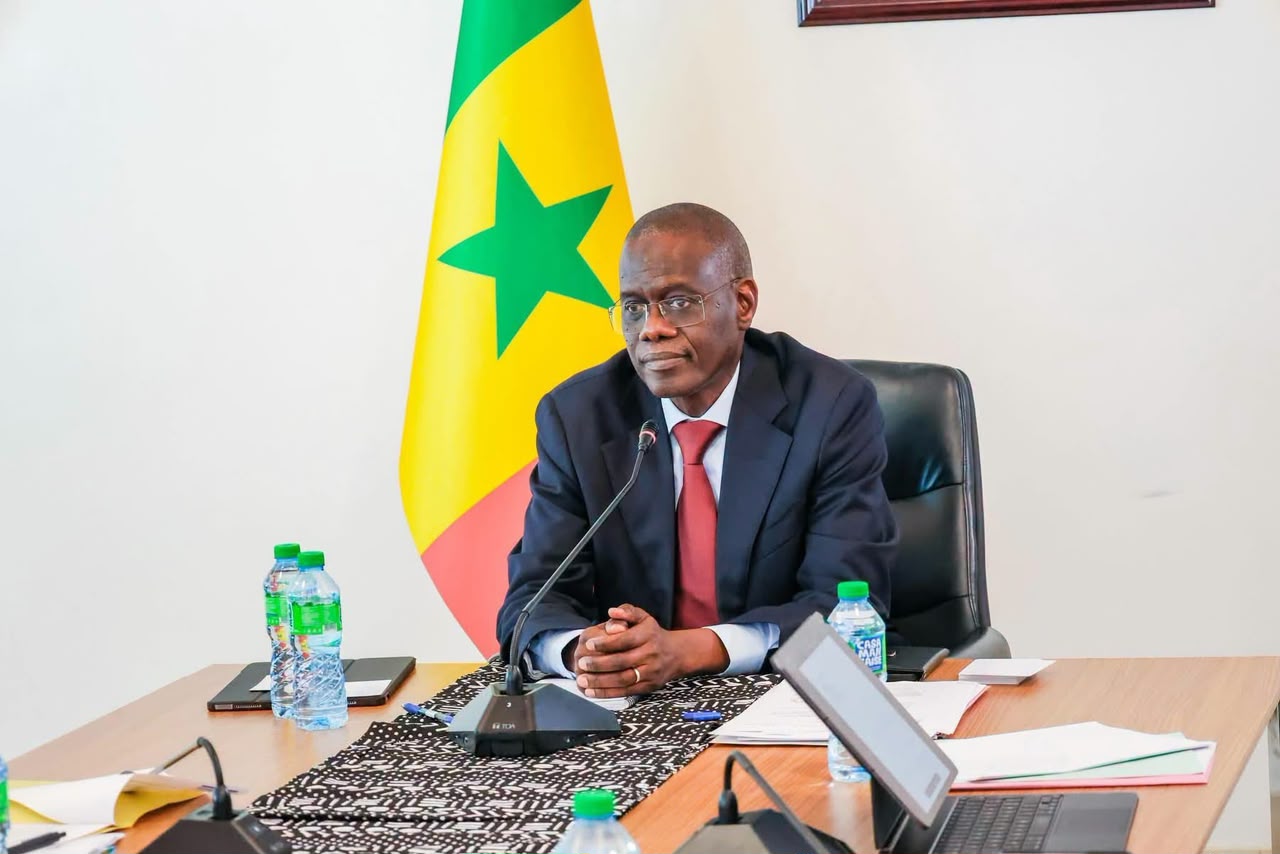
The Prime Minister of Senegal, Ahmadou Alhaminou Lo, has publicly challenged the validity of certain enterprise agreements entered into by Racine Talla, the former Director General of Radiodiffusion Télévision Sénégalaise (RTS). Lo asserts that these agreements, which pertain to the state-owned media company, were concluded without the necessary financial provisions to ensure their implementation. This declaration signals a significant dispute over past management decisions and their financial implications for a key public entity.
Lo has characterized the former director general's actions as a "grave" decision, further suggesting that any director general who undertakes such commitments without adequate funding could face legal repercussions. He went as far as to label this approach a "betrayal" of the state. Despite his strong condemnation, the Prime Minister has indicated a willingness to engage in further discussions with the trade unions representing RTS employees to thoroughly examine the details of the contested agreements.
Legal and Financial Context
A central point of contention raised by Prime Minister Lo is the absence of available resources at the time the enterprise agreements were signed, rendering them unfundable. This situation has led him to issue a stern warning regarding the personal responsibility of a director general in Senegal for commitments made without proper financial backing. The Prime Minister explicitly stated that such actions could expose an executive to legal proceedings, emphasizing the potential for individual accountability in cases of financially unsustainable agreements within public enterprises.
Furthermore, the Prime Minister dismissed the argument of "continuity of the state" as a justification for upholding these commitments, citing the challenging financial state of RTS. This stance underscores a shift towards greater scrutiny of financial prudence and governance within state-owned entities, particularly when faced with agreements that are not financially viable. The implication is that past agreements, even if made by previous administrations, will not automatically be honored if they lack a sound financial basis, especially when the enterprise itself is struggling.
Ongoing Dialogue and Labor Relations
Despite the strong criticism leveled against the previous management's decisions concerning the RTS accord d'entreprise contestation, Prime Minister Ahmadou Alhaminou Lo has committed to fostering continued dialogue with the relevant stakeholders. He has announced plans for new discussions with the syndicats de la société publique, the unions representing RTS employees, to review the contested enterprise agreements. This commitment to engagement comes after a prior statutory meeting of the RTS management on February 26, 2026, saw personnel representatives walk out when their request to prioritize the agreement dossier on the agenda was not granted.
The Prime Minister clarified that his planned consultations with RTS unions are distinct from the earlier internal management meeting. He also detailed his adherence to protocol, explaining that he first met with representatives from central trade unions and employer organizations. Furthermore, he has instructed his advisors to systematically receive any interlocutors who have requested an audience, signaling an open, albeit firm, approach to resolving the complex issues surrounding the engagements non financés entreprise publique.
Practical Implications
Lawyers advising directors or general managers of state-owned enterprises in Senegal should note the Prime Minister's stance on personal liability for commitments made without proper financial backing. This development signals a potential increase in legal scrutiny and recourse against executives who enter into agreements that are not financially sustainable or duly authorized, impacting compliance and governance frameworks within public entities.
Source
How does this affect you?
Get an AI analysis of this article grounded in your jurisdictions, practice areas, and any policy documents you've uploaded to Wansom.
Finish Reading the Full Story and the Expert Analysis.
Get the latest legal & regulatory intelligence in Senegal
Wansom is AI and can make mistakes.