
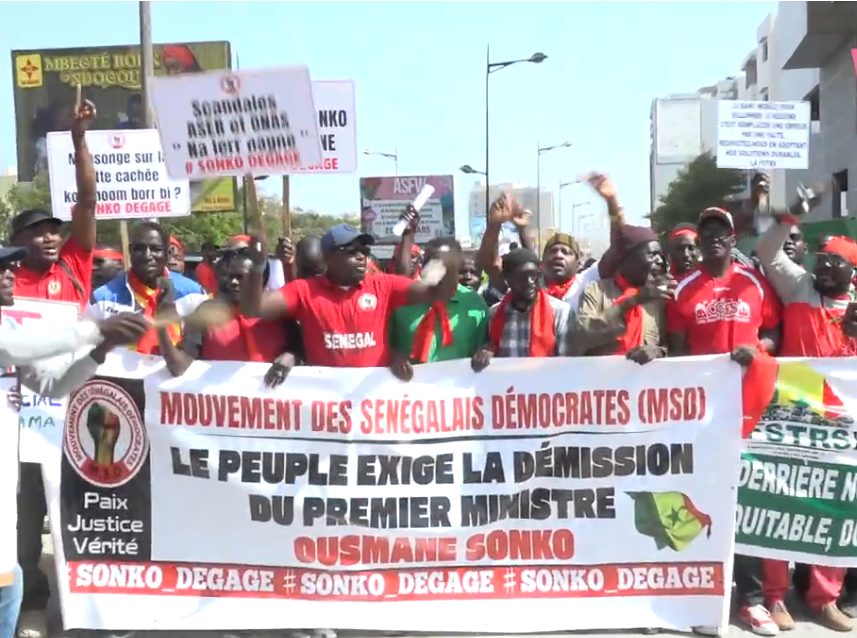
Senegal PM Convenes Social Stability Committee Amid Labor Tensions
In Senegal, Prime Minister Ahmadou Al Amine Lo is set to convene a pivotal meeting of the steering committee for the National Social Stability Pact on Thursday, October 15, 2026, in response to escalating social tensions marked by widespread strike threats and unaddressed demands. This gathering, as reported by Senego, brings together representatives from the government, employers' organizations, and trade unions, aiming to de-escalate the brewing social crisis.
This development holds substantial legal significance for practitioners, businesses, and the public in Senegal, as the outcomes of such high-level social dialogue can directly influence labor laws, collective bargaining agreements, and the overall economic climate. A successful resolution could avert widespread industrial action, which often leads to significant economic disruption, while a failure could exacerbate social unrest, potentially necessitating government intervention through emergency decrees or legislative measures. For businesses, the stability of labor relations is paramount for operational continuity and investment confidence.
The legal context for this meeting is rooted in Senegal's labor legislation, primarily the Code du Travail, which governs industrial relations, the right to strike, and mechanisms for dispute resolution. The National Social Stability Pact, while not a direct legal instrument, serves as a crucial platform for tripartite dialogue, where agreements reached can inform policy, lead to amendments in labor laws, or result in new collective agreements that carry legal force. The government, through the Prime Minister, plays a central role in mediating these discussions, reflecting its responsibility to maintain social order and economic stability. Key parties involved are Prime Minister Ahmadou Al Amine Lo, the government, employers' organizations, and trade unions, all participating in the steering committee.
Attorneys advising businesses in Senegal must closely track the deliberations and any resolutions emerging from this meeting, as they could directly impact employment contracts, wage structures, and working conditions across various sectors. Practitioners specializing in labor law should be prepared to guide clients through potential changes in regulatory frameworks or collective bargaining landscapes. Businesses should proactively assess their labor relations strategies, engage with relevant employer associations, and develop contingency plans for potential industrial actions, understanding that the government's objective is to prevent widespread strikes and ensure social peace. The specific outcomes of this decisive meeting are not yet reported, but its implications for the legal and economic landscape are considerable.
How does this affect you?
Get an AI analysis of this article grounded in your jurisdictions, practice areas, and any policy documents you've uploaded to Wansom.
Finish Reading the Full Story and the Expert Analysis.
Get the latest legal & regulatory intelligence in Senegal
Wansom is AI and can make mistakes.