
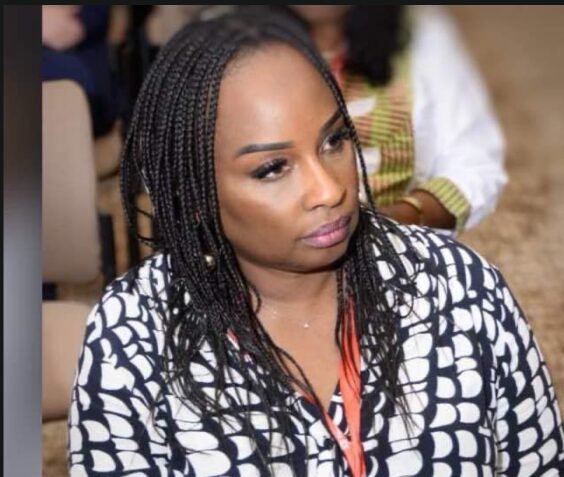
Senegal PLFR 2026 Rejection: Hawa Abdoul Ba Proposes Executive Concessions
Summary
- Senegal's 2026 supplementary finance bill has been rejected twice by the Finance Committee.
- Liberal leader Hawa Abdoul Ba believes the situation is still open for resolution despite the rejections.
- Ba proposes four concessions from the Executive branch to re-engage deputies and end the budget impasse.
- The goal of these concessions is to restore dialogue and resolve the ongoing budgetary deadlock.
Legislative Setback for Senegal's 2026 Budget
The imperative for the Executive and legislative bodies to find common ground is paramount to ensure the smooth functioning of the state, maintain public confidence in governmental processes, and uphold the nation's financial credibility.
The legislative process for Senegal's projet de loi de finances rectificative 2026 has encountered significant hurdles, with the proposed supplementary budget bill facing two consecutive rejections. These setbacks occurred within the crucial commission des Finances Sénégal, the parliamentary body specifically tasked with scrutinizing financial legislation. The repeated refusal to advance the PLFR 2026 signals a notable and concerning impasse in the nation's budgetary planning for the upcoming fiscal year, indicating a clear lack of consensus.
This double rejection underscores a deep-seated disagreement between the legislative and executive branches regarding the proposed financial adjustments contained within the bill. Such a deadlock in the commission des Finances can have far-reaching implications for government operations, the implementation of public policies, and the overall economic environment. The inability to pass the projet de loi de finances rectificative 2026 as initially drafted highlights a critical moment in Senegal's political and economic landscape, demanding urgent resolution to avoid prolonged uncertainty and potential disruptions.
Hawa Abdoul Ba's Call for Dialogue
Amidst the escalating budgetary tensions surrounding the PLFR 2026, Hawa Abdoul Ba, a prominent liberal leader, has publicly asserted that the situation is far from resolved, stating unequivocally that "rien n’est encore joué." Her intervention comes at a pivotal time, following the dual rejections of the supplementary finance bill by the Finance Committee. Ba's perspective suggests that avenues for resolution remain open, despite the current legislative deadlock, emphasizing the need for renewed engagement.
To break the existing Sénégal budget impasse, Hawa Abdoul Ba has put forth a specific and actionable proposal directed at the Executive branch. She advocates for the Executive to make four distinct concessions, which she believes are absolutely essential for re-establishing constructive dialogue with the deputies. The primary aim of these proposed Hawa Abdoul Ba concessions Exécutif is to bridge the significant divide between the government and the parliamentarians, thereby facilitating a viable path forward for the stalled supplementary finance bill and ensuring its eventual passage.
Implications of the Budgetary Impasse
The ongoing legislative struggle over the projet de loi de finances rectificative 2026 carries substantial weight for Senegal's governance and economic stability. A prolonged Sénégal budget impasse could severely disrupt government spending, delay the initiation or completion of critical public projects, and create significant uncertainty for both domestic businesses and international investors. The imperative for the Executive and legislative bodies to find common ground is paramount to ensure the smooth functioning of the state, maintain public confidence in governmental processes, and uphold the nation's financial credibility.
The call for Hawa Abdoul Ba concessions Exécutif highlights the intricate political maneuvering and compromise required to navigate such significant legislative challenges. The ultimate resolution of this impasse will not only determine the immediate fate of the PLFR 2026 but also set an important precedent for future interactions and power dynamics between the government and the parliament. The ability to overcome these rejections and secure timely approval for the supplementary budget is crucial for Senegal to effectively manage its financial resources, adapt to changing economic conditions, and address its pressing development priorities.
Practical Implications
Lawyers and compliance officers should monitor the legislative progress of Senegal's 2026 supplementary finance bill. Continued rejection or significant amendments could impact future tax regulations, government spending priorities, and the overall economic environment, potentially necessitating adjustments to financial planning or compliance strategies for clients operating in Senegal.
Source
How does this affect you?
Get an AI analysis of this article grounded in your jurisdictions, practice areas, and any policy documents you've uploaded to Wansom.
Wansom is AI and can make mistakes.