
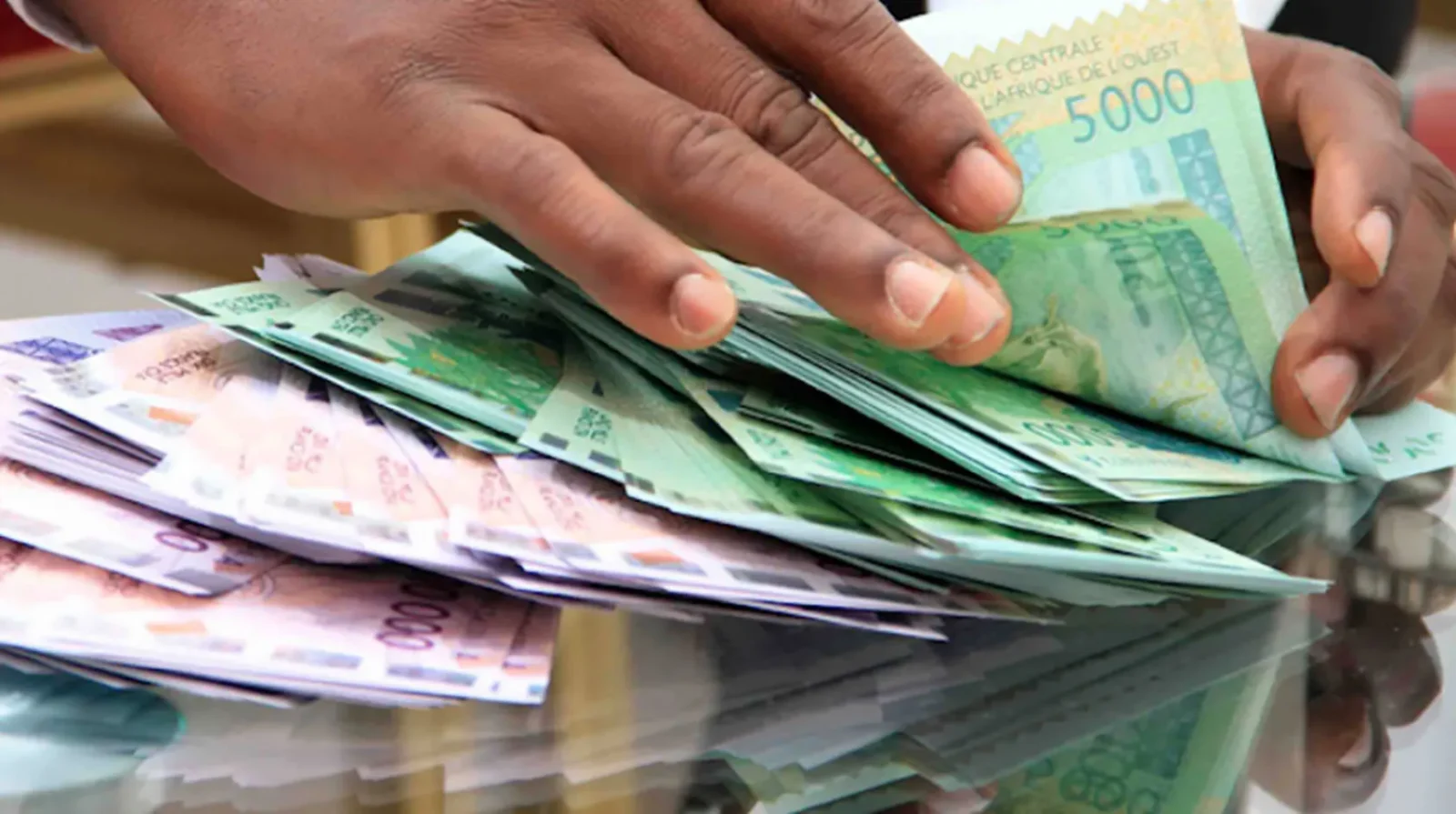
Sénégal: Plans Trois Appels Épargne Sukuk 200 Milliards FCFA
Summary
- Senegal's Ministry of Economy, Finance and Plan announced a new financial strategy, including three public savings calls, following an FMI agreement.
- The FMI agreement provides a $2.2 billion loan over 36 months and has led to more favorable financing conditions for the nation.
- Among the three upcoming public offerings, one will be a Sukuk operation, with each issuance targeting approximately 200 billion FCFA.
- A recent public savings call successfully raised 304.15 billion FCFA, exceeding its 200 billion FCFA target by 152%.
- Funds from these issuances will support budgetary expenditures and active public debt management, though Senegal's debt management strategy is not a restructuring and excludes 9,100 billion FCFA of local currency debt.
Senegal's Financial Strategy Unveiled
The FMI accord is designed to unlock a 36-month loan totaling $2.2 billion, facilitated through the Extended Credit Facility (FEC), directly addressing the government's objective to alleviate pressure on its financial resources.
The Ministry of Economy, Finance and Plan recently outlined Senegal's updated economic and financial trajectory during a media briefing held on a Thursday. This strategic update follows a significant staff-level agreement reached with the International Monetary Fund (FMI), which is poised to provide substantial support to the nation's public finances. The FMI accord is designed to unlock a 36-month loan totaling $2.2 billion, facilitated through the Extended Credit Facility (FEC), directly addressing the government's objective to alleviate pressure on its financial resources.
In light of these developments, the Senegalese state has articulated a clear intention to actively pursue further resource mobilization within the financial market. This proactive approach aims to bolster the nation's fiscal position and ensure sustained economic stability. A key component of this strategy involves the launch of three distinct public savings calls (appels publics à l’épargne) before the close of the current year.
Notably, one of these planned issuances will take the form of a Sukuk operation, marking a significant step in diversifying Senegal's financing instruments. Each of these three upcoming operations, including the Sénégal émission Sukuk, is projected to raise approximately 200 billion FCFA. This ambitious target underscores the government's commitment to securing necessary capital for its budgetary and developmental objectives.
Capital Mobilization and Debt Management
The planned Sénégal trois appels épargne Sukuk 200 milliards FCFA initiative builds upon recent successes in public resource generation. A prior public savings call, conducted between February 26 and March 26, demonstrated strong investor confidence by significantly surpassing its initial target. This operation, originally slated to raise 200 billion FCFA, ultimately mobilized an impressive 304.15 billion FCFA, achieving a coverage rate of 152%.
The funds generated from these public offerings, including the anticipated Obligations islamiques Sénégal, are earmarked for critical national priorities. Specifically, they will be allocated to finance budgetary expenditures and support the active management of public debt. This strategic deployment of capital is expected to provide the Senegalese government with greater financial flexibility and maneuverability than initially projected, enabling more effective fiscal planning and execution.
Elhadji Alioune Diouf, the Director of Capital Markets within the Directorate General of Financing and Debt, confirmed this strategic programming, as reported by dakar92. His insights highlight the government's structured approach to leveraging both conventional and Islamic finance mechanisms to meet its funding requirements and manage its financial obligations responsibly.
Favorable Financing and Debt Context
The agreement with the FMI is pivotal, not only for the direct financial injection but also for its indirect benefits, particularly in securing access to concessional resources. This improved access is expected to translate into more favorable financing conditions for Senegal on the international markets. According to Elhadji Alioune Diouf, the negotiations with the FMI directly contributed to a reduction in interest rates, reversing a previous trend of tightening conditions for fundraising. This development is crucial for Financement public Sénégal.
Diouf also clarified the nature of Senegal's debt management strategy, emphasizing that the Plan de Traitement de la Dette du Sénégal (PTDS) does not constitute a debt restructuring. Instead, the nation has strategically focused on addressing specific commitments that posed the most significant challenges to the sustainability of its public finances. Notably, one-third of Senegal's total debt was not integrated into this targeted approach.
Furthermore, a substantial portion of the nation's debt, specifically that denominated in FCFA and estimated at 9,100 billion FCFA, falls outside the scope of the PTDS's execution. This distinction underscores a nuanced approach to Dette publique Sénégal FMI, where certain segments of the debt portfolio are managed through different mechanisms, ensuring a tailored and effective strategy for overall financial health.
Practical Implications
Lawyers and compliance officers should monitor the specific terms and regulatory frameworks of these upcoming public savings calls and the Sukuk issuance in Senegal to advise clients on investment opportunities, Sharia compliance for the Sukuk, and potential implications for public debt management and financial structuring in the country.
Source
How does this affect you?
Get an AI analysis of this article grounded in your jurisdictions, practice areas, and any policy documents you've uploaded to Wansom.
Finish Reading the Full Story and the Expert Analysis.
Wansom is AI and can make mistakes.