
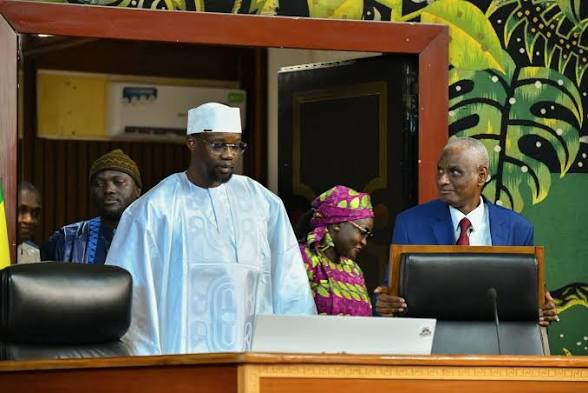
Senegal National Assembly: Petroleum Code Commission Review Begins
Summary
- Deputies from Senegal's 15th legislature are scheduled to conduct commission work as part of the third extraordinary session of the National Assembly, which opened on September 18, 2026.
- These sessions are part of an extraordinary meeting of the National Assembly.
- Four distinct legislative texts are on the agenda for review by the commissions.
- Key topics include the ECOWAS biometric identity card, the national Petroleum Code, health in correctional facilities, and finance laws.
- The Senegal Petroleum Code commission review is a central focus of the legislative discussions.
Legislative Agenda Set for Extraordinary Session
The legislative agenda for this extraordinary session underscores a broad commitment to modernizing key national frameworks, from identity documentation and energy policy to public health and fiscal management.
Deputies comprising the 15th legislature of Senegal's National Assembly are slated to undertake a concentrated period of commission work. These crucial sessions are part of the third extraordinary session of the National Assembly for 2026, which opened on September 18, 2026. This dedicated legislative activity forms part of an extraordinary session convened by the National Assembly, underscoring the pressing nature of the issues on the parliamentary docket.
During this focused timeframe, the legislative body will meticulously examine a diverse range of critical national and regional matters. A total of four distinct legislative texts have been formally placed on the agenda for in-depth review and discussion by the various parliamentary commissions. This structured approach is designed to facilitate thorough scrutiny of proposed legislation before it potentially advances through the full legislative process.
Key Policy Areas Under Review
A significant item slated for consideration by the commissions is a comprehensive review of the national Petroleum Code. This particular Senegal Petroleum Code commission review is anticipated to garner considerable attention, given its far-reaching implications for the nation's energy sector, the management of its natural resources, and its overall economic trajectory. Such a legislative reassessment typically involves evaluating existing regulations, proposing necessary amendments, and ensuring the framework remains robust, transparent, and equitable for all stakeholders.
Beyond the critical energy policy, the legislative commissions will also delve into discussions surrounding the proposed ECOWAS biometric identity card. This initiative represents a pivotal step towards enhancing regional integration and modernizing identification processes across member states of the Economic Community of West African States. Deputies will scrutinize its implementation details, security protocols, and the anticipated impact on Senegalese citizens.
Furthermore, the parliamentary agenda includes vital discussions concerning health provisions within correctional facilities. This area of public policy is crucial for upholding human rights and ensuring adequate healthcare standards for incarcerated individuals within the justice system. Finally, several finance laws are also scheduled for review, which are fundamental instruments for the nation's fiscal planning, budget allocation, and overall economic stability.
Broader Implications for National Governance
The wide array of topics scheduled for review during this extraordinary session highlights the multifaceted responsibilities entrusted to the 15th legislature. From foundational documents like the Petroleum Code and essential finance laws that underpin the national economy, to critical social welfare issues such as health within prisons, and significant regional integration efforts embodied by the ECOWAS identity card, the deputies are poised to address matters with profound and lasting consequences.
The process of commission work stands as a cornerstone of effective legislative governance, enabling expert input, facilitating stakeholder consultation, and ensuring thorough debate on complex legal frameworks. The outcomes of these September 2026 sessions could significantly shape Senegal's trajectory across key sectors for years to come, influencing everything from individual citizen rights and national resource management to international cooperation and economic development.
Source
How does this affect you?
Get an AI analysis of this article grounded in your jurisdictions, practice areas, and any policy documents you've uploaded to Wansom.
Finish Reading the Full Story and the Expert Analysis.
Get the latest legal & regulatory intelligence in Senegal
Wansom is AI and can make mistakes.