
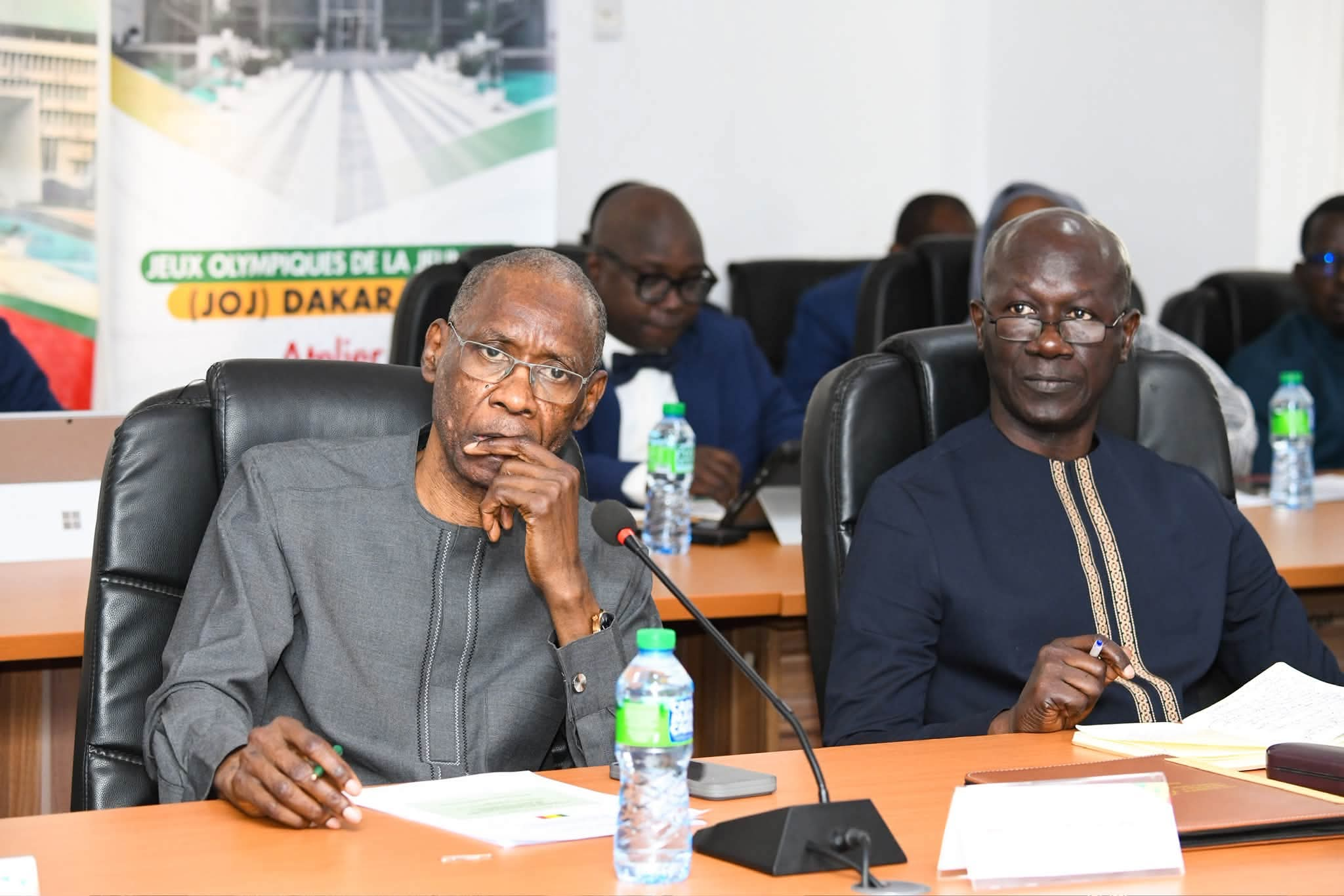
Senegal Parliament Rejects 2027 Foreign Affairs Ministry Budget
On Tuesday, November 10, 2026, in Senegal, members of the Commission des Finances et du Contrôle budgétaire and the Commission des Affaires étrangères did not adopt the proposed 2027 budget for the Ministry of African Integration, Foreign Affairs, and Senegalese Abroad, citing significant reservations about the sincerity and reliability of the presented revenue and expenditure forecasts.
This non-adoption represents a critical exercise of legislative oversight over public finance, underscoring the Senegalese National Assembly's constitutional role in scrutinizing government spending and revenue projections. The rejection of a ministerial budget, particularly one as strategically important as Foreign Affairs, signals a strong demand for fiscal transparency and accountability from the executive branch. It could potentially impact the Ministry's operational capacity, its ability to execute planned international engagements, and the overall perception of Senegal's financial governance.
The legal context for this development is rooted in the Senegalese Constitution and the organic laws governing finance (Loi Organique relative aux Lois de Finances - LOLF), which delineate the powers and responsibilities of the legislative and executive branches in the budgetary process. The commissions involved, the Commission des Finances et du Contrôle budgétaire and the Commission des Affaires étrangères, are key parliamentary bodies tasked with detailed examination of ministerial budgets. The proposed 2027 budget, at 75.349 billion FCFA in payment credits and 77.955 billion FCFA in commitment authorizations, represented an increase from the 2026 budget of 64.96 billion FCFA, which parliament had adopted the previous year.
The key parties involved are the Ministry of African Integration, Foreign Affairs, and Senegalese Abroad, whose budget was under review, and the Senegalese National Assembly, specifically the deputies serving on the aforementioned parliamentary commissions. Their collective decision reflects a legislative check on the executive's financial planning. The outcome of this matter, including whether a revised budget will be presented or how the Ministry will operate without an approved budget, is not yet reported.
Practitioners, particularly those advising government entities, international organizations, or businesses with interests in Senegal, should closely monitor the resolution of this budgetary impasse. The non-adoption could lead to delays in the implementation of government programs, necessitate renegotiation of financial allocations, or potentially result in a temporary budget if a new proposal is not swiftly approved. Businesses engaged in foreign trade, diplomatic services, or development projects linked to the Ministry's portfolio should assess potential impacts on their operations, contractual agreements, and strategic planning, as the legislative scrutiny signals a robust demand for fiscal prudence and transparency.
How does this affect you?
Get an AI analysis of this article grounded in your jurisdictions, practice areas, and any policy documents you've uploaded to Wansom.
Finish Reading the Full Story and the Expert Analysis.
Get the latest legal & regulatory intelligence in Senegal
Wansom is AI and can make mistakes.