
Sénégal Assemblée Nationale: Recours Refus Audition Soulève Débat
Summary
- Parliamentary inquiry commissions are increasingly active in Senegal's National Assembly to scrutinize public funds.
- Hearings of high administrative officials have become a central political topic.
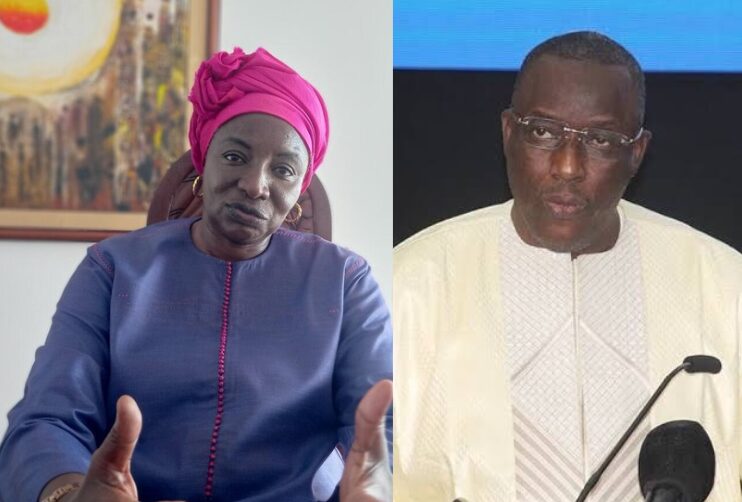
- Prominent figures, including Aminata Touré, High Representative of the President, and Cheikh Oumar Hann, Deputy and Mayor of Ndioum, have reportedly refused or expressed reservations about participating in these auditions.
- This situation raises questions about the Senegalese National Assembly's legal recourse when faced with non-compliance.
- The effectiveness of parliamentary oversight bodies is challenged by these refusals and the ambiguity of enforcement powers.
What Happened
The current situation highlights significant legal ambiguities surrounding the enforcement powers of the Senegalese National Assembly's parliamentary inquiry commissions.
The Senegalese National Assembly has recently experienced a proliferation of parliamentary inquiry commissions, each established with the specific mandate to investigate and clarify the management of public funds. This surge in oversight activities has led to frequent requests for high-ranking administrative officials to appear for hearings, a practice that has increasingly become a central point of political discussion within the nation.
Amidst this heightened scrutiny, challenges to the process have emerged. Notably, prominent political figures, including Aminata Touré, High Representative of the President, and Cheikh Oumar Hann, Deputy and Mayor of Ndioum, have reportedly expressed reservations or declined to participate in these parliamentary auditions. Their actions have brought to the forefront critical questions regarding the extent of the Assembly's authority and the legal mechanisms available to it when faced with non-cooperation from individuals summoned for testimony.
Legal Context and Challenges
This development highlights significant legal ambiguities surrounding the enforcement powers of the Senegalese National Assembly's parliamentary inquiry commissions. While the `Commissions d’enquête parlementaire Sénégal` are designed to investigate, the existing `Droit parlementaire Sénégal` appears to lack explicit and robust provisions detailing the `recours` available to the Assembly when individuals, such as those requested for `Aminata Touré audition parlementaire` or `Cheikh Oumar Hann commission enquête`, refuse to comply with summons for testimony. This absence of clear enforcement mechanisms creates a notable gap in the `Pouvoirs Assemblée nationale Sénégal`.
The core issue revolves around whether the Assembly possesses the legal means to compel attendance or impose sanctions for a `refus audition`. Without well-defined legal pathways, the effectiveness of these crucial oversight bodies is potentially undermined. This legal uncertainty is central to the ongoing debate, as it directly impacts the ability of the `Sénégal Assemblée nationale` to fulfill its constitutional role of oversight and ensure accountability in the management of public resources.
Why It Matters
The ongoing debate surrounding the `Sénégal Assemblée nationale recours refus audition` carries substantial implications for governance and the rule of law in Senegal. The ability of parliamentary inquiry commissions to effectively conduct their investigations, particularly when faced with non-cooperation from key officials, is crucial for maintaining public trust and ensuring governmental transparency. If the Assembly's powers to enforce attendance at an `audition parlementaire` are perceived as weak or ambiguous, it could set a precedent that hinders future oversight efforts.
This development underscores the necessity for a clearer legal framework that delineates the `Pouvoirs Assemblée nationale Sénégal` concerning its investigative functions. Resolving these ambiguities is vital not only for the immediate cases involving figures like Aminata Touré and Cheikh Oumar Hann but also for strengthening the institutional capacity of the legislature. The outcome of this discussion will significantly shape the future of `Commissions d’enquête parlementaire Sénégal` and their role in holding public administration accountable.
Practical Implications
This development highlights the legal ambiguities surrounding the enforcement powers of the Senegalese National Assembly's parliamentary inquiry commissions. Lawyers advising public officials or entities subject to such investigations should monitor how the Assembly's recourse mechanisms evolve, as it could impact compliance obligations and the legal consequences of non-cooperation.
Source
How does this affect you?
Get an AI analysis of this article grounded in your jurisdictions, practice areas, and any policy documents you've uploaded to Wansom.
Finish Reading the Full Story and the Expert Analysis.
Get the latest legal & regulatory intelligence in Senegal
Wansom is AI and can make mistakes.