
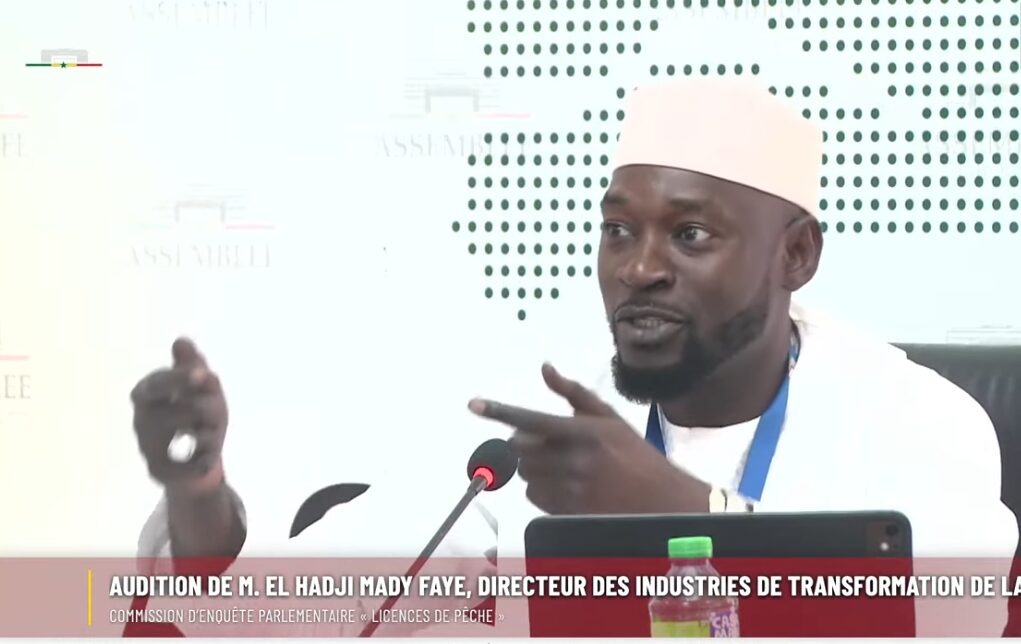
Sénégal: El Hadji Mady Faye Auditionné sur Licences Pêche
Summary
- The Senegalese parliamentary inquiry commission is continuing its investigation into fishing license attribution and management.
- Mr. El Hadji Mady Faye was audited this Friday as part of the ongoing parliamentary inquiry.
- The Assembly unanimously approved the fishing license inquiry on August 20, 2026.
- Key officials, including Modou Mbengue, Cheikh Oumar Hanne, and Daouda Ngom, have been or are scheduled to be audited, though Moussa Baldé recently refused to appear for his scheduled audition.
- Modou Mbengue previously testified on October 8, 2026, detailing the "underside of the system."
Ongoing Parliamentary Scrutiny of Fishing Licenses
The sustained focus of the commission d'enquête parlementaire Sénégal on the attribution licences de pêche Sénégal and gestion licences de pêche Sénégal carries significant weight for the future governance of the country's fisheries.
The parliamentary inquiry commission in Senegal is actively continuing its investigations into the nation's fishing license system. This past Friday, Mr. El Hadji Mady Faye underwent an audition as part of the commission's efforts. The primary objective of these proceedings is to thoroughly examine the conditions under which fishing licenses are both attributed and managed across the Senegalese maritime sector.
This latest audition underscores the legislative body's commitment to transparency and accountability within a critical economic area. The commission's work aims to shed comprehensive light on the processes and practices governing the issuance and oversight of these vital permits, ensuring that all aspects of their administration are subject to rigorous parliamentary review. The ongoing nature of these investigations suggests a deep dive into the operational mechanisms and historical decisions related to fishing rights.
Genesis and Scope of the Inquiry
The foundation for this extensive parliamentary review was laid on August 20, 2026, when the Assembly unanimously approved the establishment of a dedicated inquiry into fishing licenses. This decisive vote signaled a broad consensus among legislators regarding the necessity of a thorough examination of the sector. Following its formation, the commission announced on October 6, 2026, its intention to commence public auditions, with an initial schedule including four key officials.
Further expanding its scope, the commission summoned several prominent figures for a five-day series of auditions that began on October 12, 2026. Among those called to testify were Cheikh Oumar Hanne, Daouda Ngom, and Moussa Baldé, who recently refused to appear for his scheduled audition, indicating the high-level nature of the individuals involved in the inquiry. Notably, Modou Mbengue had previously been audited on October 8, 2026, where he provided detailed accounts concerning the intricacies and underlying mechanisms of the fishing license system. His testimony on that date specifically delved into what was described as the "underside of the system," offering potentially crucial insights into its operational realities.
Implications for Sector Governance
The sustained focus of the commission d'enquête parlementaire Sénégal on the attribution licences de pêche Sénégal and gestion licences de pêche Sénégal carries significant weight for the future governance of the country's fisheries. By meticulously scrutinizing the current framework, the inquiry seeks to identify any potential irregularities or areas for improvement in how these valuable national resources are allocated and overseen. The comprehensive nature of the auditions, including that of El Hadji Mady Faye, is designed to build a complete picture of past and present practices.
The findings from this commission, including insights gained from the Modou Mbengue audition licences pêche, could pave the way for substantial reforms. Such reforms might aim to enhance fairness, efficiency, and sustainability in the Senegalese fishing sector, impacting both local communities and international stakeholders. The parliamentary body's dedication to uncovering the full truth behind the system's operations highlights a broader commitment to ensuring that Senegal's marine wealth is managed in the national interest, potentially leading to a more robust and transparent regulatory environment for all participants.
Practical Implications
Lawyers advising clients in the Senegalese fishing sector should closely monitor the ongoing parliamentary inquiry into fishing license attribution and management. The findings could lead to significant regulatory changes, new compliance requirements, or potential legal challenges for existing license holders or applicants, necessitating proactive advice to mitigate risks or seize new opportunities.
Source
Source: Original reporting via Senego
How does this affect you?
Get an AI analysis of this article grounded in your jurisdictions, practice areas, and any policy documents you've uploaded to Wansom.
Finish Reading the Full Story and the Expert Analysis.
Get the latest legal & regulatory intelligence in Senegal
Wansom is AI and can make mistakes.