
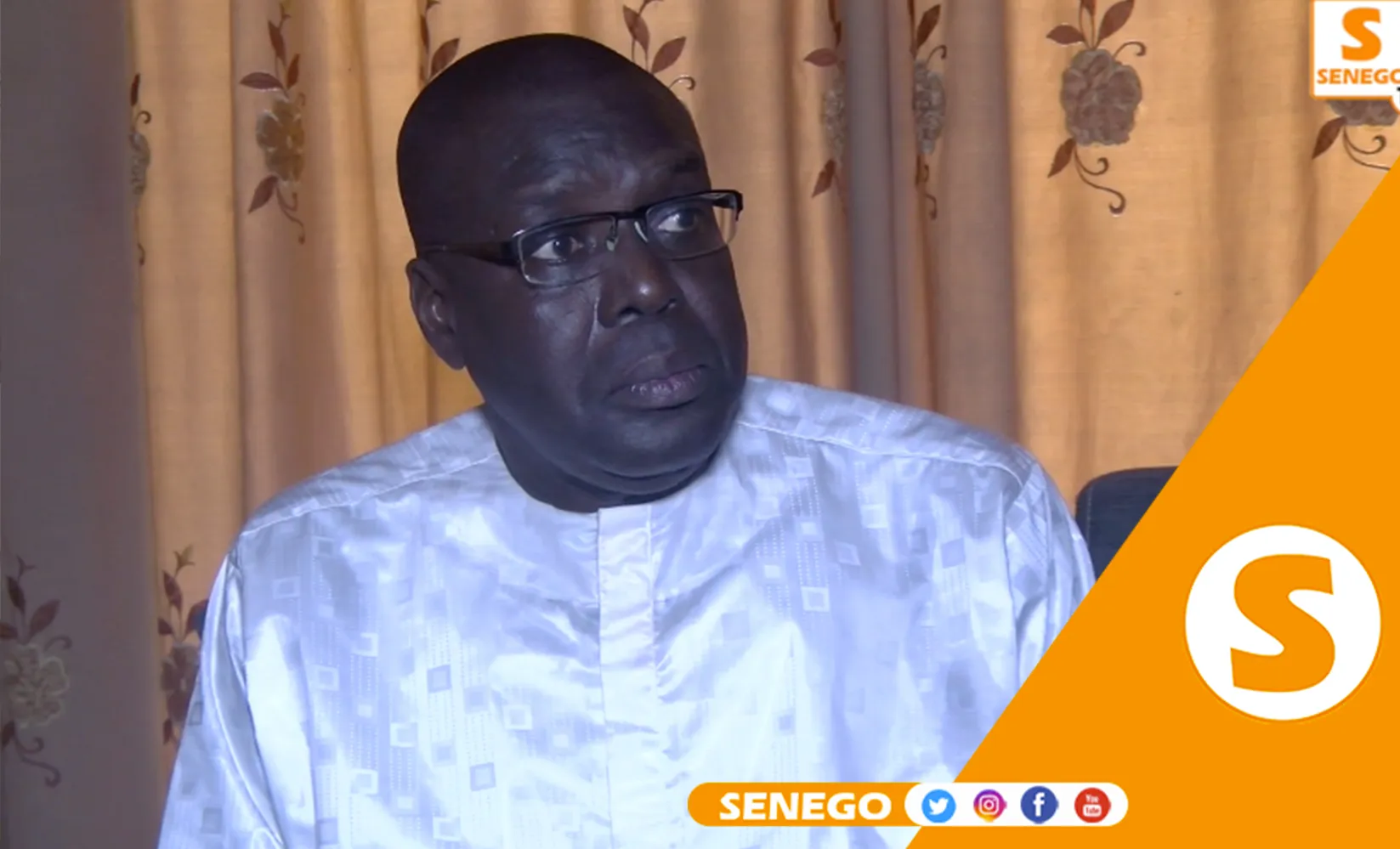
Senegal: Boubacar Sèye Demands Probe Into Orange Fake Invoices Data Leak
Summary
- Boubacar Sèye has issued a warning regarding a surge in fake Orange invoices in Senegal.
- Fraudsters possess precise client information, including names, client status, and billing details.
- Sèye questions how unknown individuals acquired such accurate data, implying a potential data leak.
- He has formally called on Senegal's Minister of Interior and the CDP (Commission de Protection des Données Personnelles) to investigate.
- The incident highlights significant concerns about data protection and the risk of personal data fraud in Senegal.
Escalating Fraud and Data Precision Concerns
The ability of unknown individuals to access such granular data suggests a potential vulnerability in data security systems.
Senegal is currently grappling with a significant uptick in fraudulent activities involving fake Orange invoices, a development that has become increasingly alarming. This sophisticated scam has prompted a public warning from Boubacar Sèye, who has highlighted the disturbing accuracy of the personal information possessed by the perpetrators. Fraudsters are demonstrating an intimate knowledge of their targets, often knowing their full names, their status as Orange clients, and in some instances, specific details pertaining to their billing history.
Sèye's alert underscores the critical nature of this precision. The ability of unknown individuals to access such granular data suggests a potential vulnerability in data security systems. While refraining from directly accusing Sonatel-Orange, the telecommunications provider, Sèye has raised pertinent questions about the origin of this highly sensitive customer information. The core of his concern lies in understanding how an unauthorized party could acquire such precise and personal details, which are then weaponized in the execution of these fraudulent schemes, pointing towards a potential Orange Senegal fake invoices data leak.
Official Appeals for Investigation
In response to the growing threat posed by these sophisticated scams and the potential for a Sonatel Orange data breach Senegal, Boubacar Sèye has formally called upon key government and regulatory bodies for intervention. He has specifically appealed to the Minister of Interior, urging a thorough investigation into the source of the data enabling these fraudulent activities. This appeal signifies the gravity of the situation, suggesting that the issue extends beyond mere individual scams to a broader concern for national cybersecurity and consumer protection.
Furthermore, Sèye has also directed his concerns to the Commission de Protection des Données Personnelles (CDP), Senegal's data protection authority. His engagement with the CDP aims to trigger an official inquiry into the potential breach of personal data, emphasizing the need for regulatory oversight. The precise nature of the information held by fraudsters, including client names and billing specifics, strongly indicates a Senegal personal data leak fraud, necessitating a robust response from data protection authorities to safeguard citizens' privacy and financial security.
Implications for Data Security and Regulatory Oversight
The current situation, marked by the Boubacar Sèye Orange fraud warning, casts a spotlight on the critical importance of data protection protocols within major telecommunications companies operating in Senegal. The precision of the information used in these cybercrime Senegal fake invoices suggests a systemic issue that could have far-reaching consequences for client trust and corporate responsibility. Should an official investigation confirm a data leak, it would necessitate a comprehensive review of data security measures and potentially lead to significant regulatory actions from the CDP.
This incident serves as a crucial CDP Senegal data protection alert, highlighting the ongoing challenges in combating digital fraud and protecting personal information in an increasingly connected world. The ability of fraudsters to leverage specific client and billing data elevates the risk profile for all customers and underscores the urgent need for enhanced cybersecurity frameworks. The outcome of the appeals to the Minister of Interior and the CDP will be pivotal in determining the extent of the data vulnerability and the subsequent measures required to prevent future occurrences of such sophisticated fraud.
Practical Implications
This development signals a potential data breach at Orange Senegal (Sonatel) which could expose client data, increasing fraud risk. Lawyers and compliance officers should advise clients on reviewing data protection protocols and monitoring the CDP's (Commission de Protection des Données Personnelles) response for potential regulatory actions or increased enforcement regarding personal data security.
Source
Source: Original reporting via {source}
How does this affect you?
Get an AI analysis of this article grounded in your jurisdictions, practice areas, and any policy documents you've uploaded to Wansom.
Finish this article free. Just your email for instant unlock.
Wansom is AI and can make mistakes.