
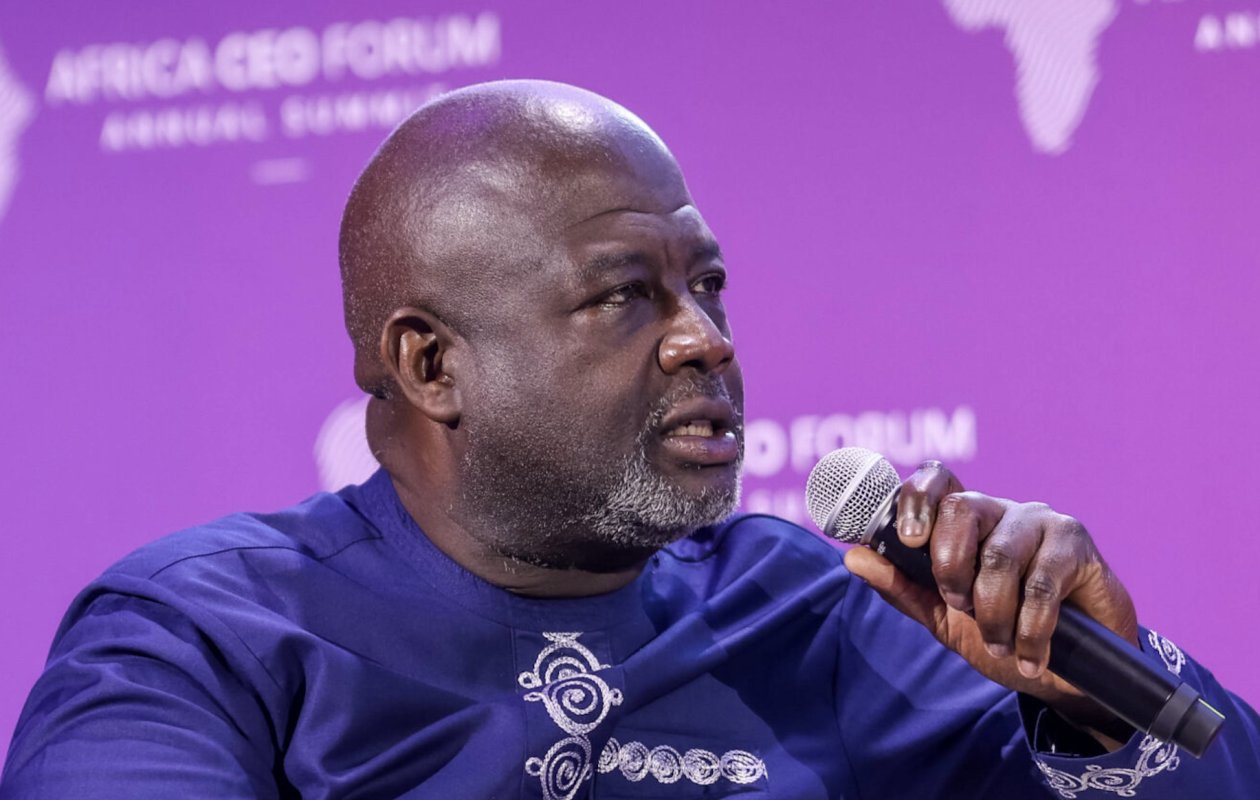
Abdou Diop: Rejet PLFR Sénégal Impedes Economic Recovery
Summary
- Senegal's National Assembly has once again rejected the government's proposed rectified finance bill (PLFR).
- Abdou Diop, Managing Partner at Mazars, expressed concern that this legislative decision will delay the country's economic recovery plans.
- Diop views the rejection as a political choice, regretting it occurred after months of discussions and an IMF technical agreement.
- The Minister of Economy, Finance and Planning, Cheikh Diba, had previously requested the bill be returned to committee before its second rejection.
- Diop warned that the Senegalese population would ultimately bear the cost of these legislative delays and political disagreements.
Legislative Standoff in Senegal
Abdou Diop has unequivocally stated that this legislative setback is poised to impede the nation's crucial recovery initiatives, ultimately burdening the Senegalese populace.
Senegal is currently navigating a period of significant political instability, exacerbated by the National Assembly's repeated rejection of the government's proposed rectified finance bill, known as the projet de loi de finances rectificative Sénégal. This legislative impasse marks a continuation of a contentious relationship between the executive and legislative branches regarding budgetary decisions.
The National Assembly definitively rejected the text on Tuesday, November 3, 2026, following earlier dismissals by the Finance and Budget Control Committee. This followed a previous instance where the bill was sent back to the committee at the behest of Cheikh Diba, the Minister of Economy, Finance and Planning. Minister Diba had formally requested this procedural step, as permitted by Article 84, during a plenary session held earlier in the week on Tuesday. This ongoing opposition underscores a persistent struggle over the allocation of national funds.
This recurring rejection of the PLFR by the Assemblée nationale signals a deepening political crisis, with profound implications for the nation's governance and economic trajectory. The government's efforts to pass its financial framework are consistently met with resistance, creating an environment of uncertainty for both domestic and international stakeholders.
Expert Concerns on Economic Recovery
Abdou Diop, the Managing Partner at Mazars, has voiced considerable apprehension regarding the repercussions of the Abdou Diop rejet PLFR Sénégal. He contends that this decision is poised to significantly impede the nation's crucial recovery initiatives, which are vital for its economic stability and growth. Diop critically views the vote as primarily a political maneuver, rather than one based purely on economic merit, given the justifications provided for its rejection.
Diop expressed regret that this legislative setback has occurred despite several months of intensive discussions and the successful conclusion of an FMI Sénégal accord technique with the International Monetary Fund. This agreement was intended to support the country's financial framework and recovery plans. The Mazars executive's commentary, which was initially reported by Jeune Afrique and subsequently by Rewmi, highlights the potential for serious delays in implementing essential reforms.
His analysis underscores the critical impact rejet PLFR Sénégal could have on the broader redressement économique Sénégal. The inability to pass this key financial legislation could disrupt planned investments, fiscal adjustments, and other measures designed to steer the country towards a more robust economic future. The prolonged legislative deadlock, therefore, carries substantial economic risks.
Broader Implications and Call for Unity
Abdou Diop has unequivocally stated that this legislative setback is poised to impede the nation's crucial recovery initiatives, ultimately burdening the Senegalese populace. He emphasized that the citizens are the ones who will ultimately bear the brunt of these political disagreements and the resulting delays in economic progress. This perspective frames the legislative battle not just as a political squabble, but as an issue with direct and tangible consequences for everyday Senegalese.
In light of the escalating tensions and the potential for long-term economic harm, Diop issued a fervent appeal to all political actors. He urged them to set aside their partisan differences and prioritize the overarching national interest. His call for unity reflects a deep concern that the current political climate is detrimental to the country's collective well-being and its capacity to implement necessary reforms.
The ongoing political crisis and the repeated failure to pass the rectified finance bill create a challenging environment for businesses and investors. The uncertainty surrounding the nation's fiscal policy and economic direction could deter foreign investment and complicate domestic economic planning, further exacerbating the difficulties faced by the population.
Practical Implications
Lawyers and compliance officers in Senegal should monitor the ongoing legislative deadlock regarding the Projet de Loi de Finances Rectificative (PLFR) closely. The rejection of this bill signals increased economic and regulatory uncertainty, potentially delaying planned reforms and impacting the fiscal environment for businesses. Clients with operations or investments in Senegal may face unforeseen challenges due to this instability, requiring proactive advice on adapting to evolving financial and legal frameworks.
Source
How does this affect you?
Get an AI analysis of this article grounded in your jurisdictions, practice areas, and any policy documents you've uploaded to Wansom.
Wansom is AI and can make mistakes.