
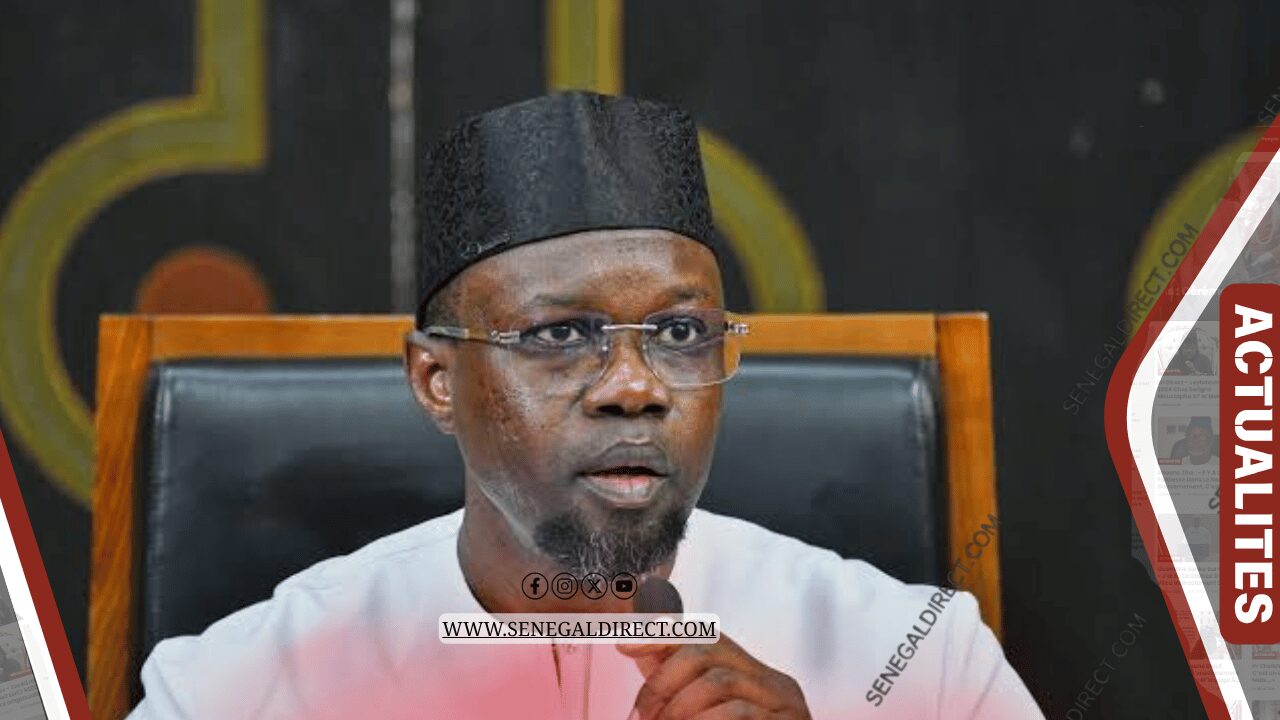
Senegal National Assembly: Adopts 4 Inquiry Proposals
Summary
- On November 27, 2026, Senegal's National Assembly Bureau approved four proposals for parliamentary inquiries.
- These inquiries will investigate public debt management from 2012-2026, public projects financed by Banco Santander, and the management of special funds.
- The move signals increased legislative oversight over public finance and project execution in Senegal.
Legislative Action Initiated
For entities, both domestic and international, involved in Senegalese public projects or financing, particularly those with existing or past ties to Banco Santander or engaged in public debt management, these developments necessitate a proactive and thorough review of their operational compliance and contractual obligations.
On Friday, November 27, 2026, the Bureau of Senegal's National Assembly took a decisive step towards enhanced governmental oversight. The legislative body formally adopted four distinct proposals for resolutions, each paving the way for the establishment of parliamentary inquiry commissions. This move signifies a robust commitment by the Assemblée nationale Sénégal to delve into critical aspects of the nation's financial administration and public project execution.
The approval of these proposals sets the stage for comprehensive investigations, underscoring a period of heightened scrutiny over public funds and major financial engagements. This legislative initiative reflects a broader commitment to ensuring the prudent management of national resources and upholding public trust.
Key Areas Under Scrutiny
The scope of these newly authorized parliamentary inquiries is broad, targeting several sensitive areas of public finance. One primary focus is a comprehensive Senegal public debt inquiry, specifically examining the management of the nation's public debt over a significant fourteen-year span, from 2012 through 2026. This extensive investigation aims to scrutinize the strategies, decisions, and outcomes related to the country's borrowing and financial obligations during this period.
Another critical area slated for detailed examination involves the financing of public projects where Banco Santander has played a role. This specific Banco Santander Senegal financing inquiry will meticulously review the financial arrangements, contractual agreements, and overall impact of the bank's participation in various government initiatives. Furthermore, the Bureau has mandated an inquiry into the administration of several special funds. This Senegal special funds management inquiry will assess the operational integrity, allocation, and expenditure of these dedicated financial instruments, ensuring their proper and transparent utilization for their intended purposes.
Implications for Public Finance and Governance
The adoption of these Senegal National Assembly inquiry proposals signals a significant shift towards greater transparency and accountability within the country's public sector. For entities, both domestic and international, involved in Senegalese public projects or financing, particularly those with existing or past ties to Banco Santander or engaged in public debt management, these developments necessitate a proactive and thorough review of their operational compliance and contractual obligations.
The impending parliamentary inquiry Senegal underscores an environment of increased oversight, potentially leading to demands for greater disclosure and, in some instances, legal challenges related to past and ongoing public sector engagements. The creation of these commissions marks a pivotal moment for governance in Senegal, emphasizing the importance of adherence to public procurement and financial regulations across all levels of public engagement.
Practical Implications
Lawyers advising entities involved in Senegalese public projects or financing, particularly those with ties to Banco Santander or public debt management, should prepare for potential parliamentary scrutiny and review compliance with public procurement and financial regulations. This signals increased oversight and potential legal challenges related to past and ongoing public sector engagements.
Source
How does this affect you?
Get an AI analysis of this article grounded in your jurisdictions, practice areas, and any policy documents you've uploaded to Wansom.
Finish Reading the Full Story and the Expert Analysis.
Get the latest legal & regulatory intelligence in Senegal
Wansom is AI and can make mistakes.