
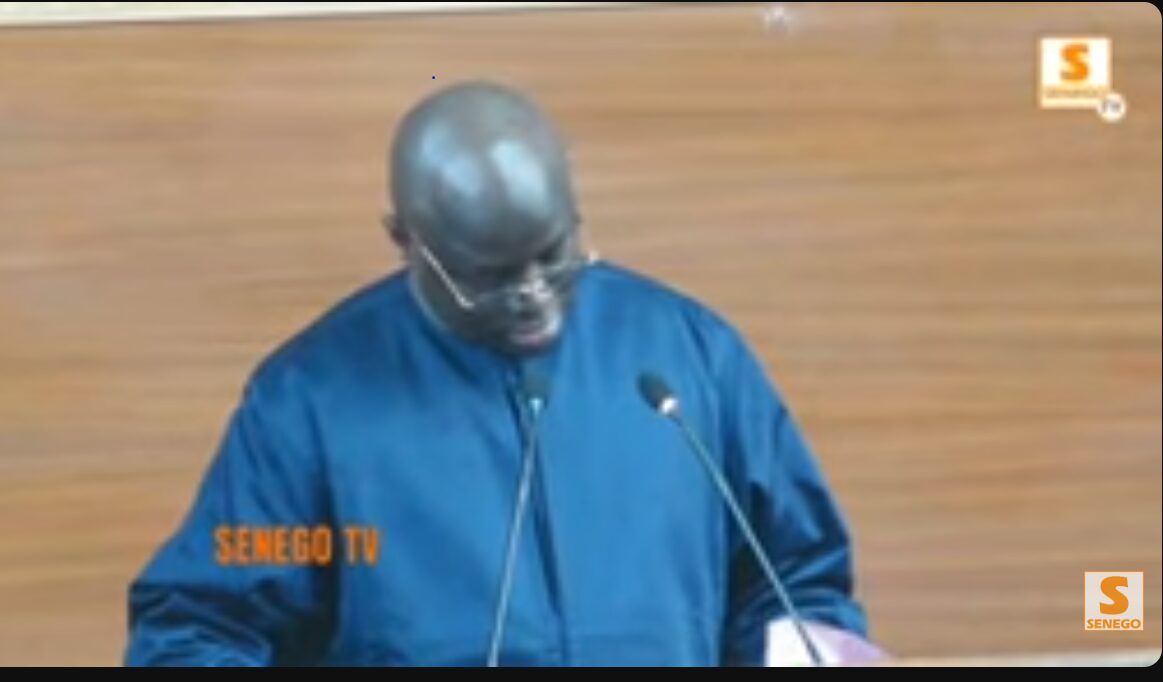
Senegal Minister Invokes Assembly Rule 84 on Finance Bill
Cheikh Diba, the Minister of Economy, Finance, and Planning of Senegal, invoked Article 84 of the National Assembly's internal regulations to justify his intervention during discussions on the Rectified Finance Bill (PLFR) in Senegal.
Minister Diba's action, following the reading of the General Report, signifies a procedural move by a key executive branch official to actively participate in the legislative debates surrounding a crucial financial document. By citing Article 84, he asserted his right to contribute to the discussions on the Rectified Finance Bill, indicating a desire to influence or clarify aspects of the proposed legislation. This highlights the executive's engagement in the parliamentary process, particularly when it pertains to national budgetary adjustments.
This event carries significant legal implications for the interaction between Senegal's executive and legislative branches. It underscores the importance of parliamentary rules, such as the National Assembly's internal regulations, in defining the scope and nature of participation for government ministers during legislative proceedings. For legal practitioners, understanding these procedural mechanisms is vital, as they dictate how financial legislation is debated, potentially amended, and ultimately passed. The ability of a minister to intervene can shape the legislative outcome, affecting various sectors and businesses reliant on government spending or fiscal policy.
The legal context is primarily framed by Article 84 of the National Assembly's internal regulations, which governs the procedures for parliamentary debates and the rights of government members to participate. The Rectified Finance Bill (PLFR) itself is a critical piece of financial legislation, typically introduced to adjust the annual budget in response to unforeseen economic or social developments. The Senegalese legal framework, rooted in a civil law tradition, provides detailed rules for the budgetary process and the oversight functions of the parliament. The key parties involved are Minister Cheikh Diba and the National Assembly of Senegal, which is the legislative body responsible for deliberating and approving the PLFR.
Attorneys and legal professionals should closely monitor the application and interpretation of the National Assembly's internal regulations, especially those provisions that define the roles and interventions of government ministers in legislative debates. A thorough understanding of these procedural rules is essential for advising clients on legislative advocacy, anticipating the timeline for the passage of financial laws, and assessing potential impacts on their operations. The excerpt does not report the specific outcome of Minister Diba's intervention or the final status of the PLFR, so practitioners should continue to track developments in this legislative process.
How does this affect you?
Get an AI analysis of this article grounded in your jurisdictions, practice areas, and any policy documents you've uploaded to Wansom.
Finish Reading the Full Story and the Expert Analysis.
Wansom is AI and can make mistakes.