
Sénégal Assemblée Nationale: LFR 2026 Rejet Dettes Privé Confirmed
Summary
- Senegal's National Assembly Finance Committee rejected the draft Loi de finances rectificative (LFR) 2026 for a second time.
- Former Prime Minister Aminata Touré expressed "profound regret," accusing Pastef deputies of "irresponsibility."
- Touré stated the LFR 2026 included over 1,500 billion FCFA for economic support, with 300 billion FCFA specifically for state debts to the private sector.
- The rejection impacts critical public projects, including urban sanitation, new hospitals, and military barracks.
- Ousmane Sonko's party previously indicated it would not support the LFR 2026 without regulation of political funds on October 19, 2026.
What Happened
A critical component of the rejected LFR 2026, according to Aminata Touré, was the provision of 300 billion FCFA specifically designated for settling outstanding state debts owed to the private sector.
The Finance and Budget Control Committee of Senegal's National Assembly recently rejected the draft Loi de finances rectificative (LFR) 2026 for a second time. This decision, announced on a Friday, marks a significant legislative hurdle for the proposed budget adjustments. The initial rejection by the same committee had already signaled difficulties for the government's financial plans.
This repeated refusal to approve the LFR 2026 by the parliamentary body highlights ongoing tensions surrounding the nation's fiscal policy. The committee's stance has effectively stalled a crucial financial instrument intended to modify the existing budget framework. The rejection of the budget rectificatif by the Assemblée nationale Sénégal has drawn sharp criticism from prominent political figures.
Political Standoff and Accusations
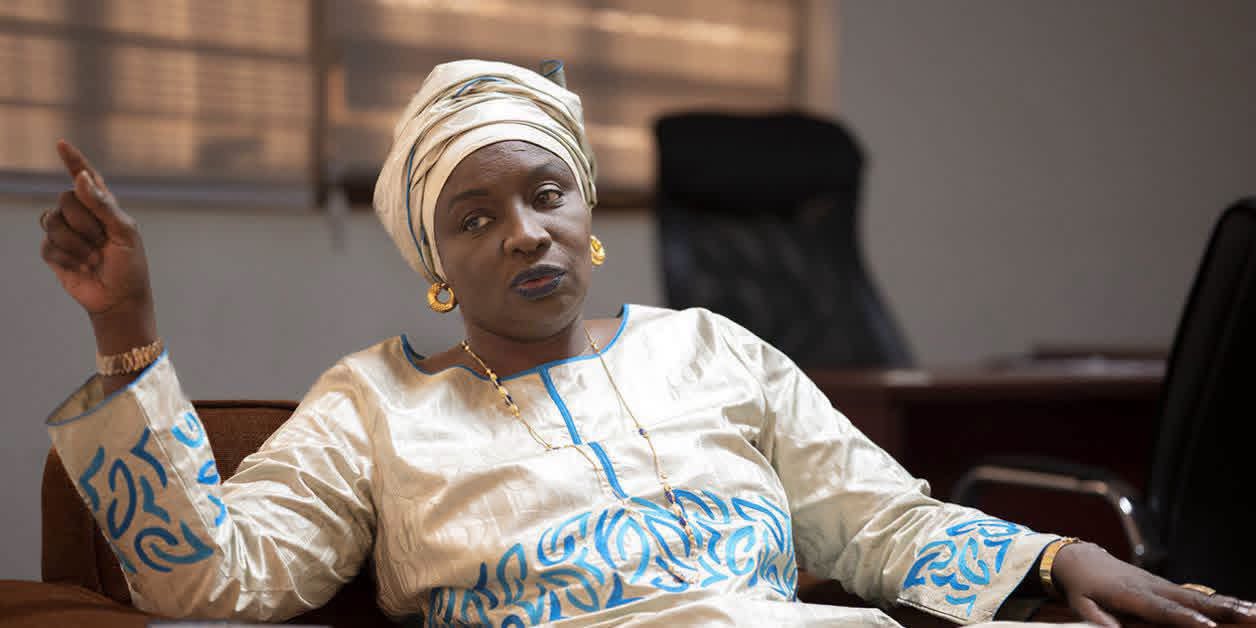
Following the second rejection of the LFR 2026, former Prime Minister Aminata Touré voiced her "profound regret" during an interview on RFM. Touré, who is the superviseure générale of Kiiraay – Les Patriotes Républicains, the party founded by President Bassirou Diomaye Faye, specifically criticized deputies from Pastef, labeling their actions as "irresponsibility." She argued that the proposed Loi de finances rectificative 2026 Sénégal encompasses over 1,500 billion FCFA in credits and payments, which she believes are vital for bolstering the national economy.
Touré further highlighted that the budget rectificatif includes allocations for critical public works, such as urban sanitation projects in cities like Touba, the establishment of new hospitals in Saint-Louis, Bakel, and Mbour, and the construction of military barracks in Kédougou. She contended that the deputies should have prioritized the welfare of the populace by approving the measure, rather than viewing it through the lens of political allegiance to President Bassirou Diomaye Faye or her own party. This political impasse, with Aminata Touré budget rectificatif comments, underscores a deep division within the legislative body.
Impact on State Debts and the Private Sector
A critical component of the rejected LFR 2026, according to Aminata Touré, was the provision of 300 billion FCFA specifically designated for settling outstanding state debts owed to the private sector. The repeated rejection of this budget rectificatif therefore directly impacts the payment of these significant liabilities, creating considerable financial uncertainty for businesses that are creditors of the state. This situation, where the Sénégal LFR 2026 rejet dettes privé is a central issue, could lead to prolonged delays in payments, affecting the liquidity and operational stability of numerous private entities.
The failure to approve these funds means that the government's ability to clear these dettes État secteur privé Sénégal remains constrained. Touré emphasized that the overall 1,500 billion FCFA package was designed to support the economy, implying that the rejection by Pastef députés LFR 2026 not only delays payments but also hinders broader economic stimulus initiatives. The legislative deadlock thus poses a tangible risk to the financial health of the private sector, which relies on timely state payments.
Broader Implications for Governance
Despite the legislative gridlock, Aminata Touré expressed confidence that the Senegalese Constitution provides mechanisms to prevent a complete national paralysis. She affirmed that the head of state is expected to take necessary steps to circumvent any potential governmental stagnation arising from the budget's rejection. Pressafrik also reported Touré's assertion that the rejection is detrimental to programs directly benefiting the population, reinforcing the perceived negative impact of the legislative committee's decision.
This ongoing dispute over the LFR 2026 highlights the challenges in governance and inter-party relations within Senegal's political landscape. The initial stance of Ousmane Sonko, who stated on October 19, 2026, that his party would not support the LFR 2026 without proper oversight of political funds, provides additional context to the current opposition. The repeated rejection underscores a significant political risk that could affect the implementation of key national projects and the stability of state finances.
Practical Implications
Lawyers advising private sector clients in Senegal should note the continued legislative deadlock regarding the LFR 2026, as it directly impacts the payment of 300 billion FCFA owed by the state. This situation creates significant financial uncertainty and potential delays for businesses that are state creditors, necessitating a review of client exposure and potential strategies for debt recovery or financial planning in light of this political risk.
Source
How does this affect you?
Get an AI analysis of this article grounded in your jurisdictions, practice areas, and any policy documents you've uploaded to Wansom.
Finish Reading the Full Story and the Expert Analysis.
Wansom is AI and can make mistakes.