
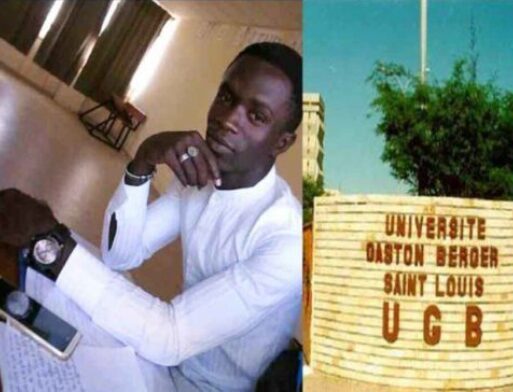
Fallou Sène Gendarme Trial Senegal: Officer Admits Firing at Protest
Summary
- Gendarme Serigne Moustapha Sané admitted firing shots that led to student Fallou Sène's death during 2018 clashes at Gaston Berger University.
- Sané is charged with voluntary blows and injuries resulting in death without intent to cause it, invoking self-defense and necessity under Article 315 of the Penal Code.
- The prosecution requested a one-year prison sentence, with six months firm, while the defense argued for necessity and protection of personnel.
- Fallou Sène's family and the Saint-Louis Student Coordination are seeking 200 million FCFA and 50 million FCFA in damages, respectively.
- The military court is set to deliver its verdict on November 27, with the outcome potentially redefining the legal accountability of security forces in Senegal.
The Incident and Charges
This case, unfolding in a Senegalese military court, is poised to establish a significant precedent regarding the accountability of security forces for their actions during public disturbances, particularly concerning the legal boundaries of self-defense and necessity.
A Senegalese gendarme, Serigne Moustapha Sané, has acknowledged before a military court that he discharged his firearm at demonstrators during the deadly confrontations that occurred at the Gaston Berger University (UGB) in Saint-Louis in 2018. These clashes ultimately led to the death of student Fallou Sène. At the time of the incident, Sané held the rank of Sub-lieutenant, having since been promoted to Adjudant by the time of the hearing.
The charges against Sané involve voluntary blows and injuries resulting in death without the intention to cause it, a legal classification known as "coups et blessures volontaires entraînant mort." During the proceedings, the prosecution highlighted that the accused utilized an M16 rifle during the events, rather than his standard-issue 9mm automatic pistol, raising questions about the proportionality of force employed. This case, often referred to as the Fallou Sène gendarme trial Senegal, centers on the accountability of security forces during public order operations.
Conflicting Accounts and Defense Strategy
In his defense, Serigne Moustapha Sané asserted that his actions were undertaken in the course of a law enforcement mission aimed at maintaining public order. He further claimed that he was compelled to protect his commanding officer, Abdou Diop, as well as other gendarmes who had sustained injuries during the unrest. Sané detailed his actions, stating he initially fired three warning shots before directing a fourth shot towards the lower extremities of the protesters.
Commander Abdou Diop, testifying at the Serigne Moustapha Sané military court, corroborated this account, confirming that the shots were intended to safeguard the security personnel present. However, this version of events was contested by representatives from the Saint-Louis Student Coordination. They stated that they had urged students to cease throwing stones, which they believed would have allowed the gendarmes to safely reposition themselves. The defense, represented by Me Moustapha Dieng, invoked Article 315 of the Penal Code of Senegal, arguing that Sané acted under a state of necessity to justify the use of force gendarmerie Senegal.
Legal Proceedings and Financial Demands
During the trial, the public prosecutor requested a conviction for the gendarme, seeking a one-year prison sentence, with six months of that term to be served definitively. This recommendation underscores the gravity with which the state views the circumstances surrounding the Fallou Sène death UGB.
Beyond the criminal charges, significant financial compensation has been sought by the victims' representatives. Me Assane Dioma Ndiaye, acting on behalf of Fallou Sène's family, demanded 200 million FCFA in damages. Separately, the Saint-Louis Student Coordination, represented by Me Amadou Diallo, requested 50 million FCFA. The military court has concluded its hearings and is scheduled to deliver its verdict on November 27.
Implications for Accountability and Use of Force
This case, unfolding in a Senegalese military court, is poised to establish a significant precedent regarding the accountability of security forces for their actions during public disturbances, particularly concerning the legal boundaries of self-defense and necessity. The invocation of Article 315 of the Penal Code of Senegal by the defense highlights the critical legal framework governing the use of force by law enforcement personnel.
The outcome of this trial will offer important clarifications on the application of legal principles related to the use of force gendarmerie Senegal, potentially influencing future protocols and training for security forces. It will also shape public perception and legal recourse for victims in incidents involving state violence, making the final judgment a crucial reference point for legal practitioners and human rights advocates alike.
Practical Implications
This case clarifies the legal accountability of security forces for use of force during protests in Senegal, particularly regarding the defense of necessity under Article 315 of the Penal Code. Lawyers advising law enforcement or representing victims of state violence should monitor the final judgment for its implications on liability and potential civil damages.
Source
How does this affect you?
Get an AI analysis of this article grounded in your jurisdictions, practice areas, and any policy documents you've uploaded to Wansom.
Finish Reading the Full Story and the Expert Analysis.
Wansom is AI and can make mistakes.