
Senegal: Minister Sarr Launches €25.7M Anti-Disinformation Program
Summary
- A regional anti-disinformation program, launched in 2024, aims to ensure access to free, verified, and credible information in Senegal and five other West African nations.
- The initiative, funded by the European Union and the Kingdom of the Netherlands with €25.7 million, receives technical support from German Cooperation and GIZ.
- Key activities include information analysis, capacity building, media education, and the development of regulatory frameworks, extending until 2030.
- Dr. Bacary Sarr, Senegal's Minister of Communication, emphasized that information reliability is vital for societal survival.
- The program seeks to foster critical thinking among citizens regarding public content.
Launch of a Major Anti-Disinformation Effort
The explicit inclusion of 'regulation' as a planned action within this regional anti-disinformation program signals a crucial development for digital content governance in West Africa.
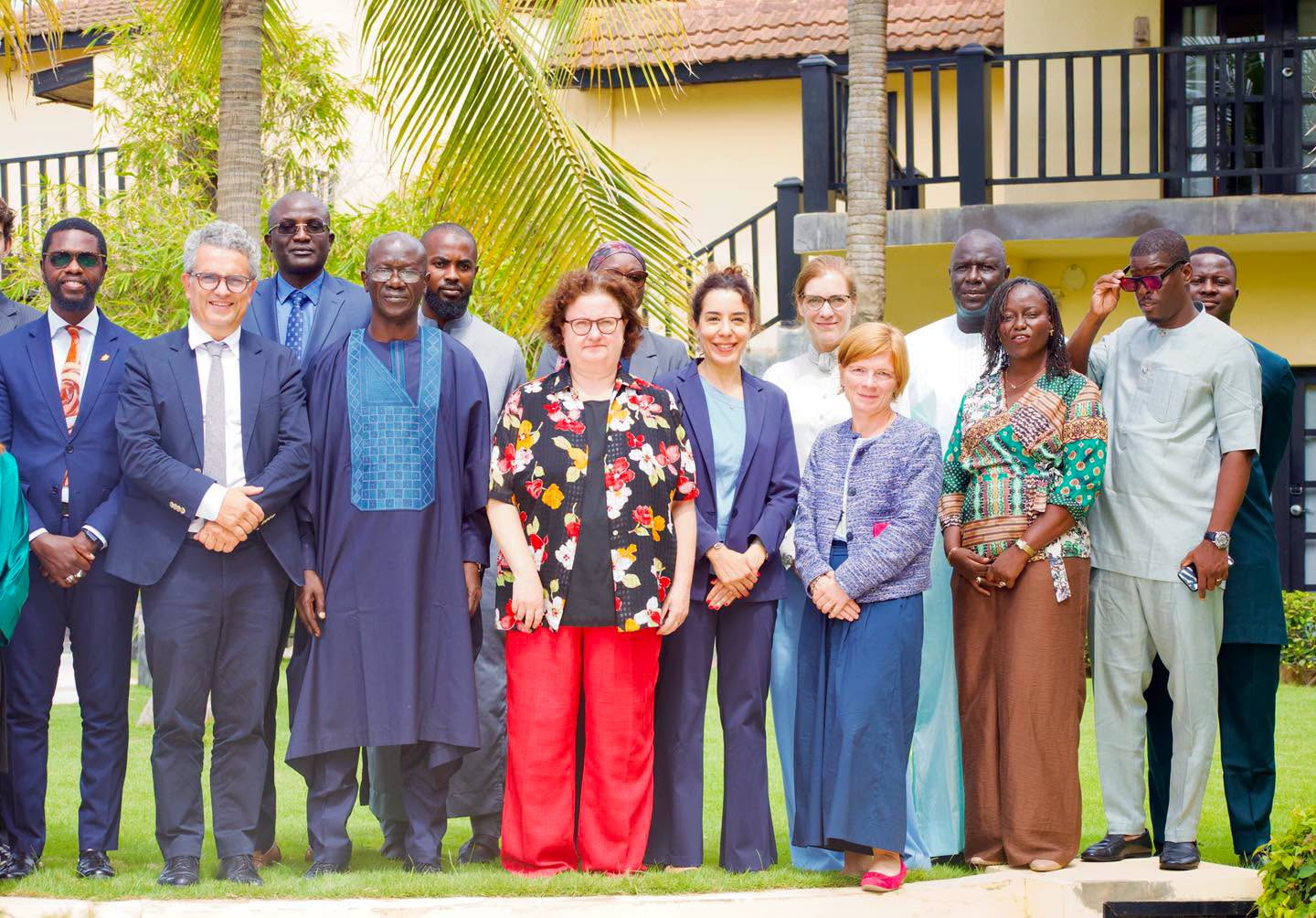
An important workshop recently convened in Saly, Senegal, marking the official commencement of a significant regional initiative aimed at combating disinformation. This program, launched in 2024, seeks to guarantee that citizens across Senegal have access to information that is both free and rigorously verified for credibility. Dr. Bacary Sarr, who serves as the Minister of Communication and Relations with Institutions, underscored the critical nature of this endeavor during the workshop's opening remarks.
Minister Sarr articulated that the dependability of information has evolved into a fundamental issue for the very existence of contemporary societies. This sentiment frames the urgency behind the multi-faceted program, which is designed to address the proliferation of unverified content in the public sphere. The overarching goal is to foster an environment where accurate and trustworthy information can thrive, thereby safeguarding public discourse and societal stability.
Extensive Regional Scope and Funding
This ambitious anti-disinformation program extends its reach beyond Senegal, encompassing a broader West African footprint. Participating nations include Côte d’Ivoire, Burkina Faso, Mali, Niger, and Chad, highlighting a concerted regional effort to tackle shared challenges in the digital information landscape. The initiative benefits from substantial financial backing, with the European Union and the Kingdom of the Netherlands providing the necessary funding.
The total financial commitment for this program amounts to a considerable €25.7 million. Technical support is additionally provided by the German Cooperation and GIZ, further bolstering the program's operational capabilities. Originally conceived for a specific duration, the involvement of the Netherlands has facilitated an extension of the project, ensuring its activities will continue until 2030, allowing for a more sustained impact across the region. This significant EU GIZ anti-disinformation funding underscores the international commitment to digital content regulation Africa.
Strategic Pillars and Capacity Building
The program outlines a comprehensive set of actions designed to enhance information integrity and public resilience against false narratives. Key activities include in-depth analysis of information flows, alongside robust capacity-building efforts for various stakeholders involved in the information ecosystem. A central component is the focus on media education and public awareness campaigns, aiming to equip citizens with the tools to critically evaluate content. This aligns with the broader Senegal media literacy initiative.
Furthermore, the initiative places a strong emphasis on fostering dialogue, implementing regulatory frameworks, and promoting concerted action among different parties. A core objective is to cultivate critical thinking skills among citizens, enabling them to navigate and discern reliable information amidst the increasing volume of content disseminated publicly. This holistic approach seeks to empower individuals and institutions to actively participate in maintaining a healthy information environment. Separately, in August 2026, the Seninfluenceurs initiative reportedly trained approximately thirty content creators in methods to combat disinformation, a project supported by the Association of Bloggers for Active Citizenship.
Implications for Digital Content Regulation
The explicit inclusion of 'regulation' as a planned action within this regional anti-disinformation program signals a crucial development for digital content governance in West Africa. The commitment to dialogue, regulation, and consultation, as outlined by the program, suggests a move towards more structured and potentially legally binding frameworks for managing information. This emphasis on regulation, particularly in the context of Dr. Bacary Sarr's communication policy, indicates that governments in the participating nations are increasingly recognizing the need for formal mechanisms to ensure information reliability.
This development holds significant implications for entities operating in the digital space, including media organizations, content platforms, and individual creators. As the program progresses towards its 2030 timeline, the focus on establishing regulatory measures could lead to new compliance requirements and standards for content dissemination. The stated goal of ensuring access to verified and credible information, backed by substantial funding and regional cooperation, points towards a future where digital content regulation Africa becomes a more defined and enforced aspect of national and regional policy.
Practical Implications
This regional program, explicitly mentioning 'regulation,' signals forthcoming legal frameworks or stricter enforcement regarding digital content, media, and information verification across Senegal and other participating West African nations. Lawyers and compliance officers should monitor legislative developments and prepare to advise clients on compliance with emerging rules on disinformation, content moderation, and media ethics, particularly for those operating in the digital space or media sector.
Source
How does this affect you?
Get an AI analysis of this article grounded in your jurisdictions, practice areas, and any policy documents you've uploaded to Wansom.
Finish Reading the Full Story and the Expert Analysis.
Get the latest legal & regulatory intelligence in Senegal
Wansom is AI and can make mistakes.