
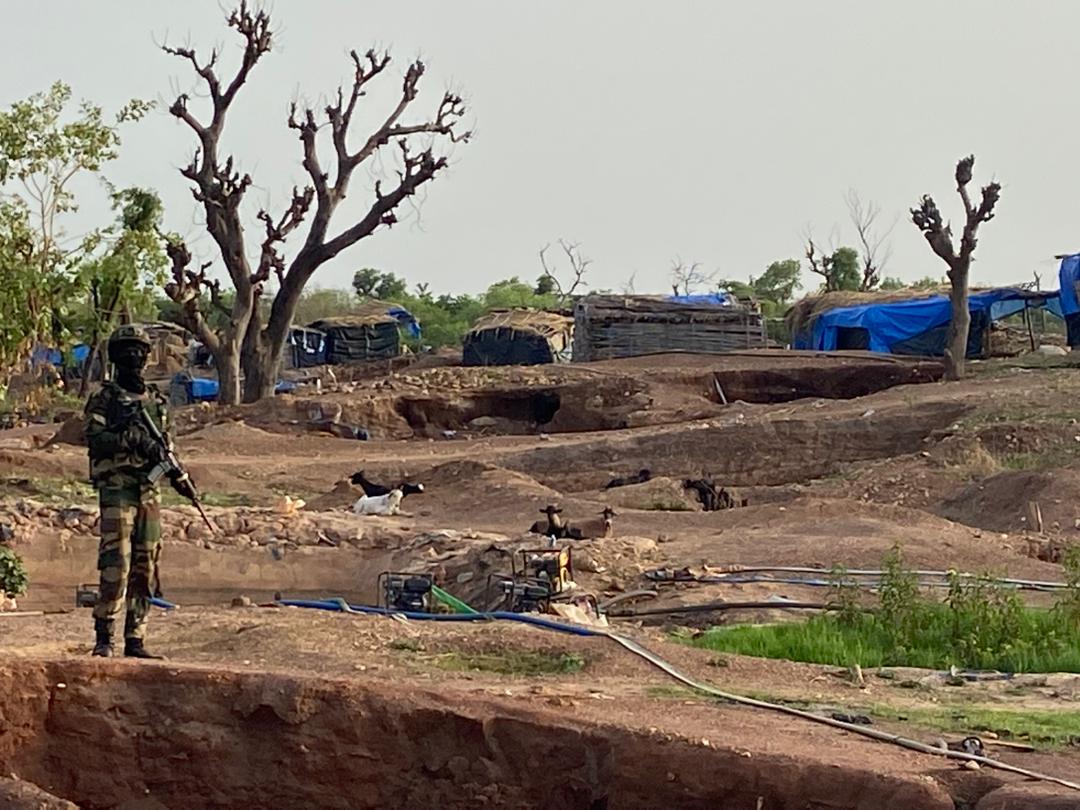
Senegal Ministries Establish Kédougou Gold Panning Corridors
Summary
- Senegal's Ministries of Mines and Armed Forces signed a protocol on November 2 to regulate artisanal gold panning.
- The initiative will establish seven secure gold panning corridors in Kédougou and Tambacounda over two years, starting with three sites in Kédougou.
- Each one-square-kilometer site will feature robust fencing, essential amenities, and childcare facilities, costing an estimated 488,397,875 FCFA.
- The project aims to formalize at least half of artisanal gold miners by 2029 and ensure production traceability.
- This effort follows previous enforcement actions, including the dismantling of 66 clandestine sites and a mining ban near the Falémé river.
New Regulatory Push for Artisanal Gold Mining
This initiative represents a significant step in Senegal's ongoing efforts toward mining sector formalization, particularly within artisanal gold mining.
Senegal has initiated a significant regulatory overhaul for its artisanal gold mining sector, with the Ministries of Mines and Geology, led by Cheikhou Oumar Seck, and Armed Forces, under Yankhoba Diémé, signing a pivotal protocol on November 2. This agreement aims to establish and secure designated gold panning corridors, beginning with three sites in Kédougou: Ngary, Kaviar, and Sekhoto. These initial sites are part of a broader plan to develop seven such corridors across the Kédougou and Tambacounda regions over a two-year period. The comprehensive program carries an estimated cost of 488,397,875 FCFA, reflecting the scale of the government's commitment to formalizing this historically informal industry. The Military Engineering corps has been tasked with the crucial responsibility of delimiting these sites and overseeing the construction of necessary infrastructure.
Delimiting and Securing Operations
The newly established Senegal Kédougou gold panning corridors are designed with stringent specifications to ensure controlled and secure operations. Each designated perimeter, spanning approximately one square kilometer, will be enclosed by a robust galvanized mesh fence, measuring about four kilometers in length and two meters in height. These barriers will be further fortified with concertina wire and equipped with secure gates to regulate access. Beyond physical security, the protocol mandates the provision of essential amenities within these regulated gold zones, including boreholes for water, solar power installations, sanitary facilities, prayer areas, and catering services. Notably, nurseries are also planned to support women working on the sites who bring their infants, addressing a critical social need.
The General Staff of the Armies, alongside the Directorate of Engineering and Infrastructure of the Armies, will jointly coordinate, supervise, and execute these extensive works. Furthermore, the Armed Forces are responsible for developing the detailed execution plan, the project timeline, and comprehensive hygiene, safety, and environmental protection protocols for the sites. A joint reconnaissance mission, involving representatives from Mines services, administrative authorities, defense and security forces, and Military Engineering, previously surveyed the sites from September 8 to 13.
Broader Formalization and Enforcement Context
This initiative represents a significant step in Senegal's ongoing efforts toward mining sector formalization, particularly within artisanal gold mining. The Minister of Mines highlighted that, while older estimates suggested over 31,000 individuals relied on this activity, the current number is believed to be substantially higher. The government's 2026-2029 mining sector roadmap explicitly targets formalizing at least half of all actors by 2029 and enhancing the traceability of artisanal gold production.
This structured approach follows previous enforcement actions, which saw 66 clandestine sites dismantled in the Kédougou and Tambacounda regions over a single year. These operations were conducted in the wake of a ban on all mining activities within 500 meters of the Falémé river, which became effective in July 2024. While the first phase focuses on three Kédougou regulated gold zones, the remaining four corridors will proceed only after fulfilling all necessary technical, geological, cadastral, land, and environmental validations. Each site in the initial phase is expected to take approximately four weeks to establish, mobilizing around 25 personnel.
Practical Implications
Lawyers advising clients in Senegal's mining sector, particularly those involved in artisanal gold mining, must understand the new regulatory framework for the designated gold panning corridors in Kédougou. This initiative signals increased formalization, potential for new licensing requirements, and stricter enforcement, necessitating compliance with the delimited zones and operational protocols.
Source
How does this affect you?
Get an AI analysis of this article grounded in your jurisdictions, practice areas, and any policy documents you've uploaded to Wansom.
Finish Reading the Full Story and the Expert Analysis.
Get the latest legal & regulatory intelligence in Senegal
Wansom is AI and can make mistakes.