
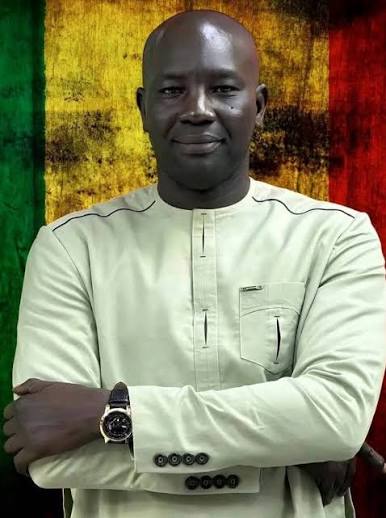
Thierno Diop: Blasts Sénégal Fonds Politiques, Demands Reddition Comptes
Summary
- Journalist Thierno Diop criticized the Senegalese government's management of special funds, calling for institutional framing and greater accountability.
- Diop noted the historical use of these funds under Presidents Senghor and Diouf, and recalled Ousmane Sonko previously labeling them "illicit."
- He expressed surprise that the controversy continues despite a new political majority and questioned the limited publication of financial documents and public borrowing practices.
- Diop described a "nebulosity" around government loans and regretted that the debate is often dominated by political quarrels.
- Madiambal Diagne, on May 26, 2026, suggested the suppression of political funds as a possible action for the PASTEF majority, which holds 130 out of 165 seats in the National Assembly.
Ongoing Debate Over Special Funds in Senegal
He emphasized the urgent need for a robust institutional framework to govern these expenditures, arguing that past commitments to reddition comptes (accountability) have yet to be fully realized.
The management of special funds within the Senegalese government continues to generate significant public discussion. Recently, journalist and commentator Thierno Diop voiced strong criticism regarding the current administration's handling of these financial instruments. His remarks, made during a debate broadcast on Rfm, were subsequently highlighted by the media outlet Pressafrik, drawing further attention to the persistent controversy surrounding `fonds politiques Sénégal`.
Diop's critique extends beyond the present, placing the issue within a historical context. He specifically referenced the utilization of similar credits during the presidencies of Léopold Sédar Senghor and Abdou Diouf, underscoring that the debate over these funds is not new. He emphasized the urgent need for a robust institutional framework to govern these expenditures, arguing that past commitments to `reddition comptes` (accountability) have yet to be fully realized.
Historical Context and Calls for Transparency
The journalist's intervention recalled previous strong condemnations of these financial mechanisms. Notably, Thierno Diop highlighted that Ousmane Sonko had previously characterized these `fonds politiques` as "illicit." Diop expressed surprise that the controversy persists despite the recent shift in political power and the arrival of a new governing majority, suggesting that the underlying issues of `transparence` remain unaddressed.
Beyond the specific `fonds spéciaux Sénégal`, Diop also raised broader concerns about `gouvernance publique Sénégal`. He questioned the limited public availability of financial documents and the manner in which public borrowing is conducted. In an interview with RFI, he described a "nebulosity" surrounding government-contracted loans, lamenting that the discourse often devolves into political squabbles rather than focusing on substantive issues of `contrôle financier Sénégal`.
Parliamentary Dimension and Future Outlook
The contentious issue of `fonds politiques` has also found resonance within the legislative sphere. Madiambal Diagne, a prominent figure, reportedly identified the suppression of these funds as one of five potential actions for the ruling PASTEF majority. This suggestion was made on May 26, 2026, indicating a forward-looking perspective on potential reforms.
The PASTEF political bloc currently commands a significant majority in the National Assembly, holding 130 out of 165 available seats. This substantial parliamentary strength suggests that any legislative initiative concerning `PASTEF fonds politiques` or broader financial reforms could potentially gain traction, though the ongoing public debate, as highlighted by figures like Thierno Diop, underscores the persistent pressure for greater accountability.
Practical Implications
This ongoing public debate signals persistent political pressure for greater transparency and accountability in the management of public funds in Senegal. Lawyers advising clients on public finance, governance, or anti-corruption matters should monitor potential legislative reforms or increased regulatory scrutiny regarding the use of special funds.
Source
How does this affect you?
Get an AI analysis of this article grounded in your jurisdictions, practice areas, and any policy documents you've uploaded to Wansom.
Wansom is AI and can make mistakes.