
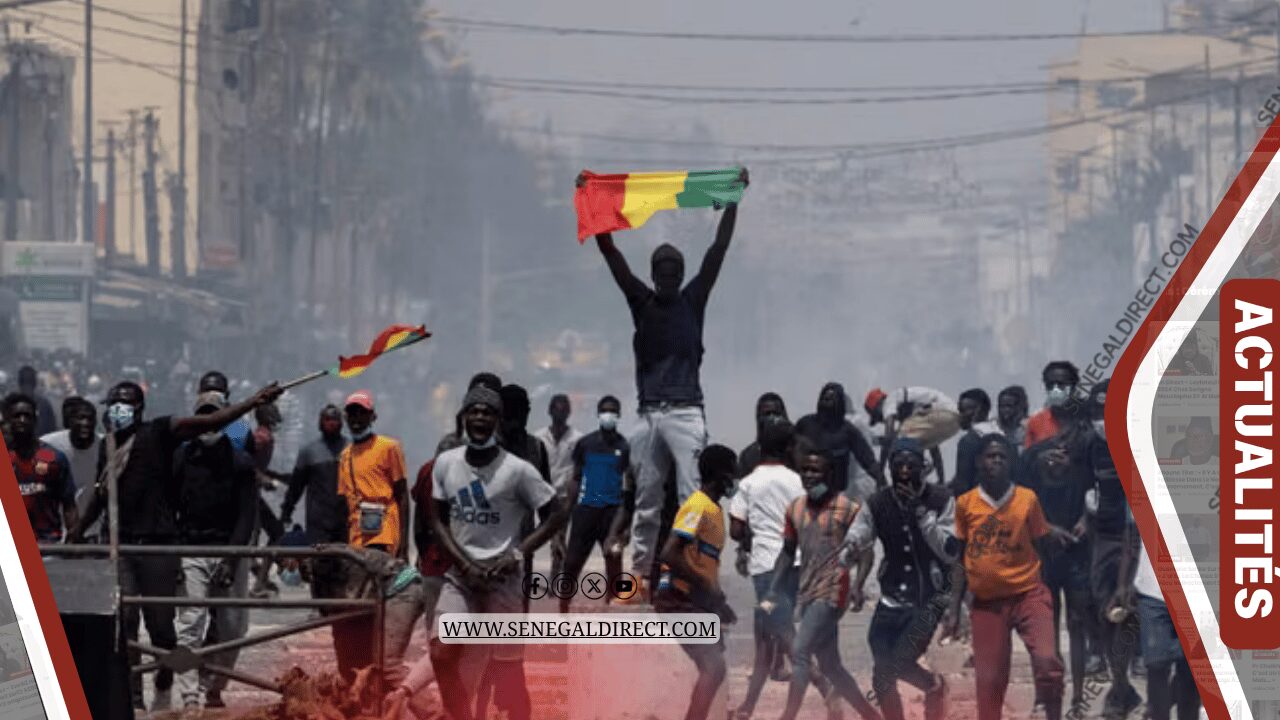
Sénégal: Information Judiciaire Crimes Contre L'Humanité Ouverte, ASP Arrêté
Summary
- Senegal has opened a judicial inquiry into alleged crimes against humanity during protests between 2021 and 2024.
- The investigation by the Section de recherches de Dakar followed events that resulted in several dozen deaths.
- Charges include "crime against humanity by acts of torture or inhuman, cruel and degrading treatment."
- ASP Ibrahima D. was arrested in connection with a demonstrator's death, and Pape Abdoulaye Touré detailed alleged abuses during a re-enactment.
- The cases of Djibril Gaye, Amadou Guindo Traoré, Djibril Diao, and Amadou Cissé have been referred back to the prosecutor's office.
Judicial Inquiry Launched in Senegal
The formal opening of an "information judiciaire" in Senegal, specifically under the qualification of "crimes contre l'humanité," marks a critical juncture in the nation's legal response to the violence that accompanied public demonstrations from 2021 to 2024.
A significant judicial inquiry has been initiated in Senegal, focusing on alleged crimes against humanity stemming from a period of widespread protests between 2021 and 2024. This development follows the conclusion of extensive investigations by the Section de recherches de Dakar, which examined events that tragically resulted in several dozen fatalities across the country. The findings from these investigations have now been formally submitted to the judicial authorities, paving the way for a deeper legal process.
The inquiry specifically targets allegations of "crime against humanity by acts of torture or inhuman, cruel and degrading treatment." Among the individuals implicated is ASP Ibrahima D., an Assistant Police Superintendent formerly assigned to the Bargny police station, who has been taken into custody. He is suspected of involvement in the death of a demonstrator, who reportedly suffered a fatal impact under circumstances currently under scrutiny by investigators. Another key aspect of the probe involves Pape Abdoulaye Touré, for whom the Section de recherches conducted a detailed re-enactment of events. During this re-enactment, Mr. Touré provided a comprehensive account of his arrest and the severe abuses he claims to have endured.
The broader case file also includes the names of Djibril Gaye, Amadou Guindo Traoré, Djibril Diao, and Amadou Cissé, known by the alias "Kabakrou." All these individuals have had their cases referred back to the prosecutor's office for further review within the scope of this investigation. The decision to open this formal Sénégal information judiciaire crimes contre l'humanité underscores the gravity with which the Senegalese justice system is approaching the allegations of severe human rights violations during the recent period of civil unrest, following the Section de recherches Dakar enquête manifestations.
Allegations of Crimes Against Humanity
The formal opening of an "information judiciaire" in Senegal, specifically under the qualification of "crimes contre l'humanité," marks a critical juncture in the nation's legal response to the violence that accompanied public demonstrations from 2021 to 2024. This legal designation, rooted in international criminal law principles, signifies that the alleged acts of torture or inhuman, cruel, and degrading treatment are considered to be of an extreme nature, potentially involving systematic or widespread attacks against a civilian population. The focus on such grave charges highlights the potential for accountability for state actors in the context of managing public order, addressing Crimes contre l'humanité Sénégal torture.
The procedural framework dictates that the investigation will now be overseen by magistrates from the first and second investigative chambers, who will delve into the evidence gathered by the Section de recherches de Dakar. This phase of the procédure pénale Sénégal manifestations 2021-2024 is crucial for thoroughly examining the circumstances surrounding the reported deaths and alleged abuses. It is important to note that, in accordance with legal principles, all individuals named or implicated in these proceedings, including ASP Ibrahima D. and Pape Abdoulaye Touré Sénégal, are presumed innocent until a definitive judicial decision is rendered.
This application of droit pénal international Sénégal in a domestic context for events related to public protests is a significant development. It suggests a commitment to addressing serious human rights violations through the highest possible legal standards, moving beyond ordinary criminal charges to consider the systemic nature of the alleged offenses. The ongoing inquiry will scrutinize the actions of various parties involved, aiming to establish responsibility for the tragic outcomes of the demonstrations.
Implications for Accountability and Justice
The initiation of this judicial inquiry into alleged "crimes contre l'humanité" in Senegal carries profound implications for accountability and justice within the nation. By pursuing charges under such a severe classification, the Senegalese legal system is signaling a robust approach to addressing the violence and fatalities that occurred during the 2021-2024 protests. This move sets a critical precedent for how state actors and others involved in public order management may be held responsible for their conduct, particularly when allegations of torture or inhuman treatment arise.
The detailed investigations conducted by the Section de recherches de Dakar, culminating in the formal "information judiciaire," demonstrate a commitment to uncovering the truth behind the numerous deaths and alleged abuses. The specific cases, such as those involving ASP Ibrahima D. and Pape Abdoulaye Touré, will be meticulously examined by the assigned magistrates, ensuring a thorough review of the evidence. This process is vital for victims and their families seeking redress and for reinforcing public trust in the justice system.
Ultimately, the outcome of this inquiry will have lasting effects on the landscape of human rights and legal accountability in Senegal. It underscores the importance of adhering to international standards of conduct, even in times of civil unrest. The proceedings will be closely watched by legal observers and human rights advocates, as they could shape future interpretations of international criminal law within the Senegalese judicial framework and influence how similar situations are handled moving forward.
Practical Implications
This judicial inquiry into alleged crimes against humanity during protests sets a critical precedent for accountability of state actors in Senegal. Lawyers should monitor the proceedings for evolving interpretations of international criminal law and potential implications for advising clients involved in public order management or human rights litigation.
Source
How does this affect you?
Get an AI analysis of this article grounded in your jurisdictions, practice areas, and any policy documents you've uploaded to Wansom.
Finish Reading the Full Story and the Expert Analysis.
Get the latest legal & regulatory intelligence in Senegal
Wansom is AI and can make mistakes.