
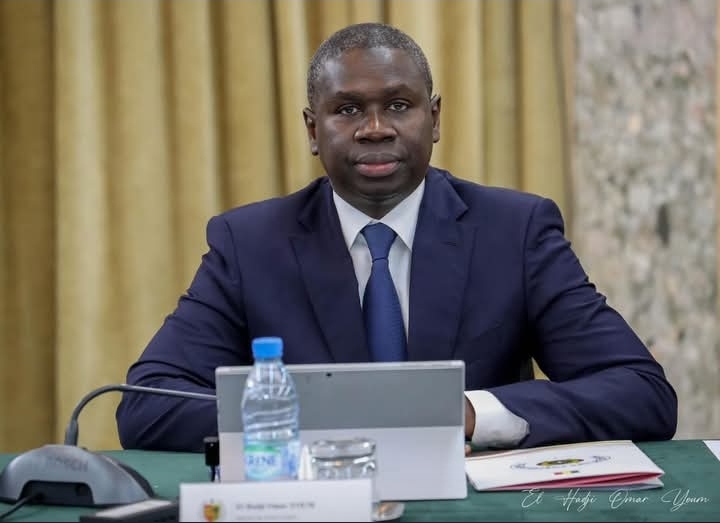
Senegal-IMF Agreement: Omar Youm Cautions on Economic Efforts
Former Senegalese Minister Omar Youm recently welcomed the progress towards a new 36-month Extended Credit Facility agreement between Senegal and the International Monetary Fund (FMI), valued at approximately 2.2 billion dollars for the 2026-2029 period. Youm, an experienced political figure, expressed his approval for the staff-level agreement reached between Senegalese authorities and the FMI, viewing it as a positive development after a period he characterized by economic hesitation and contradictory communication. He attributed this progress to a more responsible economic discourse following a change in government, emphasizing a return to reason over unrealistic expectations. The agreement, however, remains subject to the formal approval of the FMI's management and board of directors.
This staff-level agreement, once formally approved, will have profound implications for Senegal's economic and financial landscape. It signals a commitment to structural reforms and fiscal discipline, which will likely translate into new legislation, regulatory changes, and policy adjustments across various sectors. The conditions attached to the FMI facility, such as revenue mobilization and subsidy rationalization, will directly impact tax laws, public spending, and the cost of living and doing business in Senegal. For businesses, this could mean changes in tax rates, new compliance requirements, or shifts in government procurement and investment priorities. For the public, it could involve adjustments to social programs and public services, necessitating significant efforts from both citizens and enterprises, as highlighted by Youm.
While the FMI agreement itself is an international financial instrument, its implementation will necessitate domestic legal and regulatory actions. The Senegalese National Assembly will need to approve annual budget laws that reflect the FMI's recommendations on revenue and expenditure. The call for "mobilisation de nouvelles recettes" (mobilization of new revenues) implies potential amendments to the General Tax Code (Code Général des Impôts) to introduce new taxes, increase existing rates, or broaden the tax base. Furthermore, "réduction de certaines dépenses" (reduction of certain expenditures) and "rationalisation des subventions" (rationalization of subsidies) will require reforms to public finance laws and potentially sector-specific regulations governing subsidies in areas like energy or agriculture. The broader "programme de réformes économiques et financières" (economic and financial reform program) may also involve changes to business regulations and investment codes.
The key parties involved are the State of Senegal, represented by its authorities, and the International Monetary Fund (FMI). Omar Youm, an former minister, provides an informed commentary on the development. Senegalese citizens and businesses are identified as those who will bear the "efforts" required by the reforms. Attorneys should closely monitor the formal approval process of this FMI agreement and the subsequent legislative and regulatory changes that will inevitably follow. This includes tracking proposed amendments to the tax code, public finance laws, and sector-specific regulations. Businesses operating in Senegal should prepare for potential increases in tax burdens, changes in subsidy structures, and a generally tighter fiscal environment. Legal professionals advising on investment, corporate finance, and public law will need to understand the implications of these reforms to guide their clients effectively through the evolving economic and regulatory landscape. The excerpt explicitly states that the agreement is "subject to the approval of the direction and board of directors of the Fund," meaning it is not yet finalized.
How does this affect you?
Get an AI analysis of this article grounded in your jurisdictions, practice areas, and any policy documents you've uploaded to Wansom.
Finish Reading the Full Story and the Expert Analysis.
Wansom is AI and can make mistakes.