
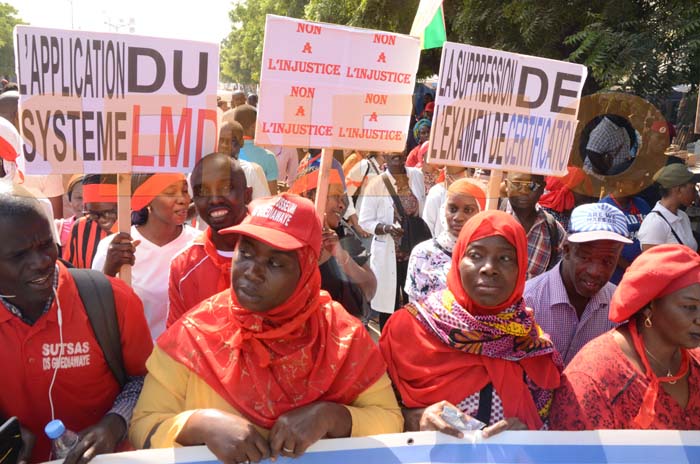
And Gueusseum: Senegal Health Data Strike Blocks Patient Data, No Minimum Service
Summary
- The Alliance of Health Unions, And Gueusseum, initiated a 48-hour strike in Senegal from August 13 to August 14.
- The strike includes a complete absence of minimum service provision in healthcare facilities.
- Union members are also deliberately blocking access to health data during the industrial action.
- This escalation, led by Mballo Dia Thiam, represents a significant toughening of the union's stance.
What Happened
Lawyers and compliance officers in Senegal's health sector must urgently assess the immediate risks related to data privacy breaches and patient care liabilities.
The Alliance of Health Unions, known as And Gueusseum, has significantly escalated its industrial action in Senegal, initiating a 48-hour strike that commenced on Thursday, August 13, and is scheduled to conclude on Friday, August 14. This particular Senegal health data strike by And Gueusseum marks a robust stance by the healthcare professionals, led by Mballo Dia Thiam. Unlike previous actions, this grève Sénégal involves two critical and impactful measures: the complete absence of minimum service provision and the deliberate retention of health data.
This decision by And Gueusseum to withhold essential services and block access to crucial patient information represents a toughening of their negotiating position. The 48-hour duration, coupled with these severe restrictions, is intended to exert maximum pressure. The union's leadership has made it clear that this phase of their protest is designed to be particularly disruptive, directly impacting both the operational capacity of health facilities and the continuity of patient care.
Legal and Regulatory Context
The actions undertaken by And Gueusseum, particularly the retention of health data (rétention données sanitaires Sénégal) and the absence of minimum service (Sénégal service minimum santé), introduce complex legal and ethical challenges for the Senegalese health sector. While the right to strike (droit de grève secteur santé Sénégal) is generally recognized, its exercise in essential services like healthcare often comes with specific limitations, including the requirement for a minimum service to ensure patient safety and prevent irreparable harm. The current strike explicitly bypasses this provision, raising immediate concerns about legal compliance and potential liabilities.
From a data privacy perspective, the blocking of health data presents significant risks. Healthcare providers and institutions are typically bound by strict regulations concerning patient confidentiality and data access, even during labor disputes. Lawyers and compliance officers in Senegal's health sector must urgently assess the immediate risks related to data privacy breaches and patient care liabilities. Advising clients on potential contractual implications and regulatory non-compliance stemming from the inaccessibility of patient records becomes paramount, as this could lead to violations of patient rights and expose institutions to legal repercussions.
Why It Matters
The implications of And Gueusseum's strike extend far beyond the immediate disruption of services. The deliberate retention of health data poses a critical threat to patient safety, as medical professionals are unable to access vital information necessary for diagnosis, treatment, and ongoing care. This could lead to adverse health outcomes, misdiagnoses, or delays in critical interventions, creating a ripple effect across the healthcare system. The absence of minimum service further exacerbates this, leaving patients without essential care during a 48-hour window.
Moreover, this industrial action sets a significant precedent for future labor disputes within Senegal's critical sectors. The decision to employ such severe tactics underscores the deep-seated grievances of the health unions and could influence other professional bodies. For legal practitioners, the situation highlights the urgent need to review and strengthen frameworks governing essential services during strikes, ensuring a balance between workers' rights and public safety. The long-term trust in the healthcare system could also be eroded if patients perceive that their fundamental right to care and data access can be compromised during industrial action.
Practical Implications
Lawyers and compliance officers in Senegal's health sector must assess immediate risks related to data privacy breaches and patient care liabilities due to the retention of health data and absence of minimum service during this strike. They should advise clients on potential contractual implications and regulatory non-compliance.
Source
How does this affect you?
Get an AI analysis of this article grounded in your jurisdictions, practice areas, and any policy documents you've uploaded to Wansom.
Wansom is AI and can make mistakes.