
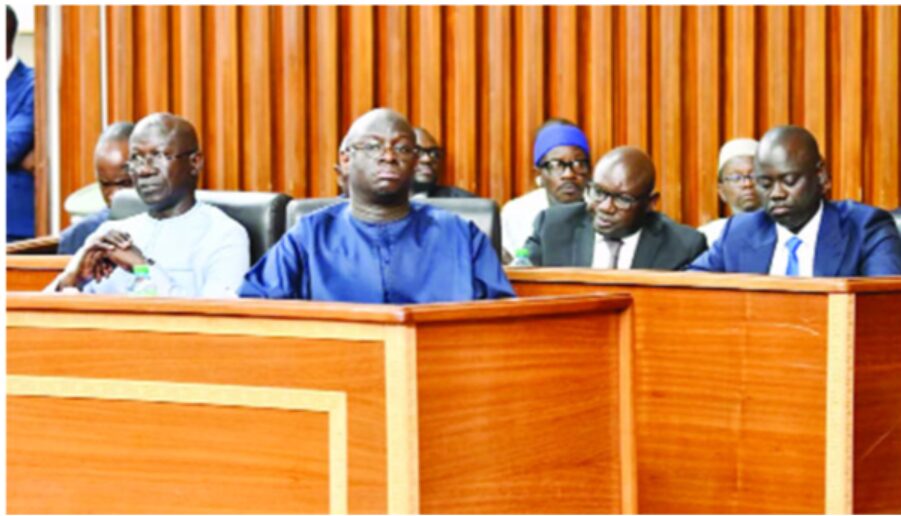
Senegal Government Clarifies 2027 Budget, Debt to Parliament
The Senegalese government provided clarifications to the Finance Committee of the National Assembly regarding the 2027 budget, public debt, energy subsidies, and references to the rejected 2026 revised finance bill (PLFR).
This event underscores the principle of parliamentary oversight over government finances and policy in Senegal. The government's engagement with deputies on critical economic issues like public debt, IMF agreements, and budget sincerity is vital for transparency, accountability, and maintaining public and investor confidence. It also highlights the dynamic interplay between the executive and legislative branches in shaping national economic policy, particularly in response to legislative scrutiny and previous rejections of financial proposals.
The legal context revolves around the Senegalese Constitution, which grants the National Assembly powers of legislative initiative and oversight, especially concerning the national budget (Loi de Finances). The "commission des Finances" (Finance Committee) plays a crucial role in scrutinizing financial legislation. The explicit mention of the "PLFR rejeté" (rejected revised finance bill) indicates the legislative body's power to reject government proposals, compelling the executive to provide further explanations or revise its plans. The discussions around the IMF suggest adherence to international financial agreements and conditionalities.
Key parties involved include the Senegalese Government, represented by its relevant ministers, the deputies of the National Assembly, particularly those serving on the Finance Committee, and implicitly, the International Monetary Fund (FMI) due to the discussions on debt and economic programs. These interactions are central to the country's fiscal governance.
Legal professionals advising businesses or investors in Senegal should closely monitor these parliamentary discussions, as they offer invaluable insights into the government's economic priorities, fiscal health, and potential policy shifts, especially concerning energy subsidies, public spending, and debt management. Understanding the legislative mood and the government's responses can inform risk assessments, strategic planning, and compliance efforts for entities operating within or looking to enter the Senegalese market. The transparency of these discussions can also impact investor confidence.
How does this affect you?
Get an AI analysis of this article grounded in your jurisdictions, practice areas, and any policy documents you've uploaded to Wansom.
Finish Reading the Full Story and the Expert Analysis.
Get the latest legal & regulatory intelligence in Senegal
Wansom is AI and can make mistakes.