
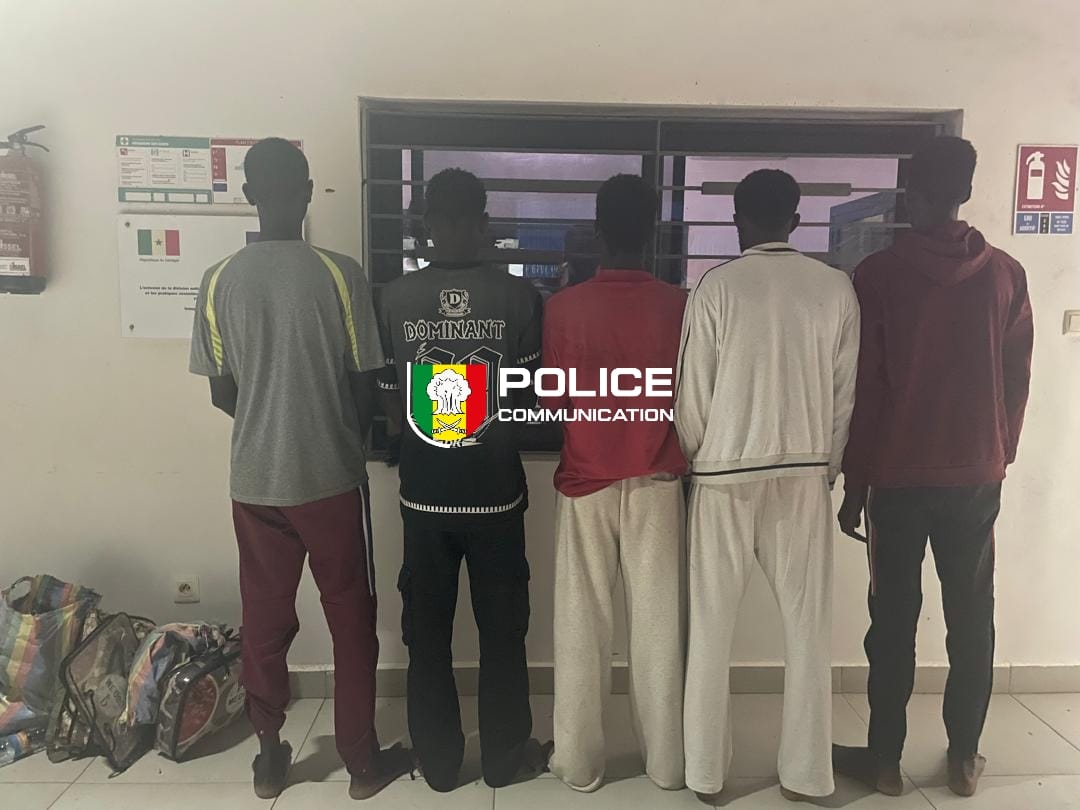
Rosso DNLT: Sénégal Gambie Mauritanie Passeurs Migrants Réseau Démantelé
Summary
- On August 21, 2026, fifteen Senegalese migrants, including five women, were transferred to the DNLT Rosso by the Special Commissioner of Rosso.
- These individuals were identified as survivors or rescued persons, indicating an intervention against migrant trafficking.
- The operation is part of ongoing efforts to combat smuggler networks operating between Senegal, Gambia, and Mauritania.
- Authorities are intensifying their pursuit of these illicit networks across the West African region.
Heightened Enforcement Against Migrant Trafficking
The persistent efforts to apprehend individuals involved in migrant trafficking, such as the 'Sénégal Gambie Mauritanie passeurs migrants arrêtés,' signal a tightening legal and regulatory environment across the region.
Authorities in Rosso recently underscored their ongoing commitment to combating irregular migration networks with a significant operation. On August 21, 2026, the Special Commissioner of Rosso formally transferred custody of fifteen Senegalese nationals, including five women, to the Head of the Regional Branch of the National Division for the Fight Against Migrant Trafficking and Related Practices (DNLT) in Rosso. These individuals were identified as survivors or rescued persons, indicating an intervention by authorities in the context of migrant trafficking.
This action highlights the persistent efforts by regional law enforcement and specialized units like the DNLT Rosso to disrupt the illicit movement of people. The handover signifies a coordinated approach between different governmental bodies to process and assist individuals caught in the perilous web of human smuggling, while simultaneously pursuing those who facilitate such journeys. The focus remains squarely on dismantling the operational structures that enable these dangerous cross-border activities.
Regional Scope of Trafficking Networks
The recent events in Rosso are indicative of a broader, sustained campaign targeting complex trafficking networks that span multiple West African nations. These illicit operations, often referred to as a 'filière passeurs Sénégal Gambie Mauritanie,' are known to facilitate irregular migration across the borders of Senegal, Gambia, and Mauritania. The continuous pursuit of these networks, as evidenced by the recent intervention, demonstrates a regional resolve to address the challenges posed by human smuggling.
Such networks exploit vulnerable individuals seeking to cross borders, often under dangerous conditions. The ongoing 'lutte contre trafic migrants Afrique' necessitates robust intelligence gathering and inter-agency cooperation to effectively identify, apprehend, and prosecute those involved in these criminal enterprises. The specific mention of a network operating between Senegal, Gambia, and Mauritania underscores the transnational nature of the challenge and the need for coordinated regional responses.
Legal and Regulatory Context
The persistent efforts to apprehend individuals involved in migrant trafficking, such as the 'Sénégal Gambie Mauritanie passeurs migrants arrêtés,' signal a tightening legal and regulatory environment across the region. Governments are increasingly deploying specialized units, like the DNLT, to enforce national and international laws against human trafficking and smuggling. This intensified scrutiny means that individuals or entities involved in any aspect of cross-border movements must exercise extreme caution to ensure compliance with anti-trafficking statutes.
The ongoing 'traque contre les réseaux de passeurs' reflects a strategic shift towards more aggressive enforcement, aiming to dismantle entire networks rather than just intercepting individual movements. This development implies increased legal risks for anyone found to be facilitating irregular migration, whether directly or indirectly. Legal professionals should advise clients on the evolving landscape of anti-trafficking laws and the potential for severe penalties associated with involvement in such activities, even if perceived as minor or indirect.
Why It Matters
The continued operations against migrant trafficking networks, exemplified by the August 2026 events in Rosso, carry significant implications for regional security and human rights. The interception of fifteen Senegalese migrants, including women, highlights the vulnerability of individuals caught in these illicit pipelines and the humanitarian imperative to protect them. The sustained pressure on these networks aims not only to deter future trafficking but also to safeguard lives at risk during perilous journeys.
This development reinforces the message that West African states are committed to disrupting the business model of human smugglers. The ongoing efforts to dismantle these networks contribute to regional stability and uphold international commitments to combat organized crime. For legal practitioners and businesses operating in the region, it underscores the critical importance of understanding and adhering to stringent anti-trafficking regulations, as enforcement is clearly escalating.
Practical Implications
This development signals heightened enforcement against migrant trafficking networks across West Africa, indicating increased legal risks for individuals or entities involved in cross-border movements that could be construed as facilitating irregular migration. Lawyers should advise clients on compliance with anti-trafficking laws and monitor for further regional crackdowns.
Source
Source: Original reporting via {source}
How does this affect you?
Get an AI analysis of this article grounded in your jurisdictions, practice areas, and any policy documents you've uploaded to Wansom.
Finish Reading the Full Story and the Expert Analysis.
Wansom is AI and can make mistakes.