
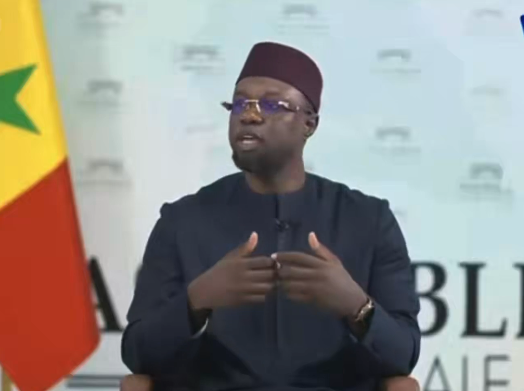
Ousmane Sonko: Taxes Account for 40-50% of Senegal Fuel Prices
Summary
- Senegalese President of the National Assembly Ousmane Sonko revealed that taxes account for between 40% and 50% of fuel prices in Senegal.
- The recent hike in fuel prices, which took effect on May 15, 2026, is largely due to a substantial tax burden on fuel sales.
- Businesses operating in Senegal should be aware of potential changes to fuel pricing regulations, which may impact business operations and supply chains.
What Happened
According to Sonko, the increase is largely due to a substantial tax burden on fuel sales. Specifically, he stated that taxes account for between 40% and 50% of the total price of gasoline and diesel fuels.
Senegalese President of the National Assembly and leader of Pastef, Ousmane Sonko, revealed that a significant portion of fuel prices in Senegal are comprised of taxes. During an interview with various media outlets on Sunday, Sonko discussed the recent hike in fuel prices, which took effect on May 15, 2026. According to Sonko, the increase is largely due to a substantial tax burden on fuel sales. Specifically, he stated that taxes account for between 40% and 50% of the total price of gasoline and diesel fuels.
Legal Context
The revelation by Sonko has significant implications for businesses operating in Senegal, particularly those involved in fuel distribution and sales. The taxation of fuel is a complex issue that requires careful consideration of regulatory frameworks and compliance requirements. Lawyers and compliance officers should be aware of the potential changes to fuel pricing regulations in Senegal, which may impact business operations and supply chains. As Sonko's statement highlights, the tax burden on fuel sales is substantial, and any adjustments to these rates could have far-reaching consequences for businesses operating in the country.
Why It Matters
The disclosure by Sonko sheds light on the often-complex relationship between taxation and fuel prices. By understanding the tax component of fuel costs, businesses can better navigate the regulatory landscape and make informed decisions about their operations. Moreover, the revelation has broader implications for Senegalese citizens, who may be affected by changes to fuel pricing regulations. As the country continues to grapple with economic challenges, the taxation of fuel remains a critical issue that requires careful consideration and attention from policymakers and stakeholders alike.
Practical Implications
Lawyers and compliance officers should watch for potential changes to fuel pricing regulations in Senegal, which may impact business operations and supply chains.
Source
How does this affect you?
Get an AI analysis of this article grounded in your jurisdictions, practice areas, and any policy documents you've uploaded to Wansom.
Wansom is AI and can make mistakes.