
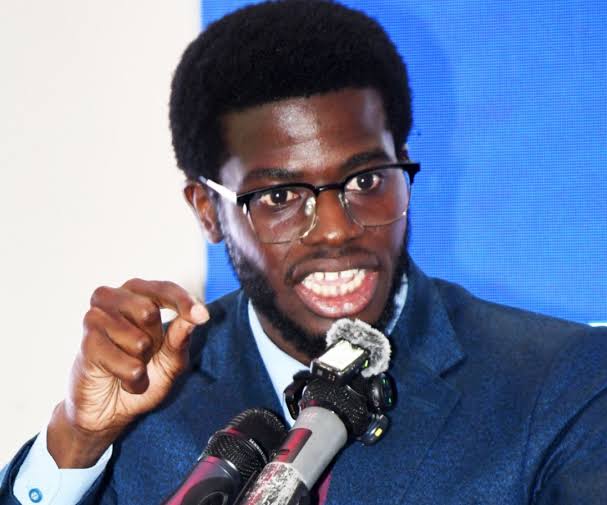
Senegal's Financial Prosecutor Opens Judicial Inquiry into ASER Director General Jean-Michel Sène
Summary
- The financial prosecutor in Senegal has launched a judicial inquiry into the 37 billion CFA francs electrification scandal.
- The investigation centers around the ASER's rural electrification projects, with Jean-Michel Sène at its helm.
- The probe aims to uncover any potential wrongdoing or irregularities in the allocation and use of funds for rural electrification projects.
What Happened
In an exclusive interview with L'Obs, Sène expressed his initial thoughts on the matter, stating that he had never felt personally targeted by the inquiry.
The financial prosecutor in Senegal has opened a judicial inquiry into the 37 billion CFA francs electrification scandal, which has sparked widespread concern about corruption and regulatory risks in public-private partnerships. The investigation centers around the ASER's rural electrification projects, with the director general, Jean-Michel Sène, at its helm. In an exclusive interview with L'Obs, Sène expressed his initial thoughts on the matter, stating that he had never felt personally targeted by the inquiry.
The decision to launch a judicial investigation is a significant development in the ongoing saga of the electrification scandal. The probe aims to uncover any potential wrongdoing or irregularities in the allocation and use of funds for rural electrification projects. As the investigation unfolds, it remains to be seen what concrete evidence will emerge and how it may impact the parties involved.
Legal Context
The judicial inquiry is a critical step in addressing the corruption allegations surrounding the 37 billion CFA francs electrification scandal. The probe will likely involve a thorough examination of financial records, contracts, and other documents related to the ASER's rural electrification projects. This investigation may also shed light on any potential conflicts of interest or irregularities in the awarding of contracts for these projects.
The Senegalese government has faced criticism for its handling of the scandal, with many calling for greater transparency and accountability in public-private partnerships. The launch of a judicial inquiry is seen as a positive step towards addressing these concerns and ensuring that those responsible are held accountable.
Why It Matters
The implications of this investigation extend beyond the immediate parties involved, with potential far-reaching consequences for public-private partnerships in Senegal's rural electrification projects. Lawyers and compliance officers should closely monitor the developments, as they may raise concerns about corruption and regulatory risks. The probe's findings could also have a significant impact on the country's efforts to improve access to electricity in rural areas.
As the investigation continues, it is essential for all stakeholders involved to remain vigilant and proactive in addressing any potential irregularities or wrongdoing. By doing so, they can help ensure that public-private partnerships are transparent, accountable, and beneficial to all parties concerned.
Practical Implications
Lawyers and compliance officers should watch for potential implications of the investigation on public-private partnerships in Senegal's rural electrification projects, which may raise concerns about corruption and regulatory risks.
Source
Source: Original reporting via L'Obs
How does this affect you?
Get an AI analysis of this article grounded in your jurisdictions, practice areas, and any policy documents you've uploaded to Wansom.
Wansom is AI and can make mistakes.