
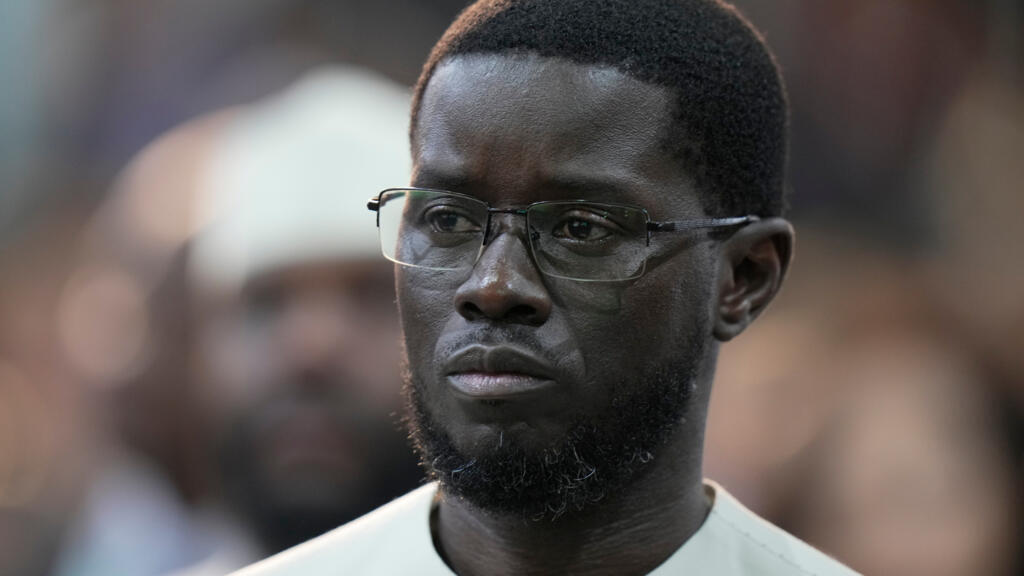
Senegal: Faye, Georgieva Expedite $2.2 Billion IMF Program
Summary
- Senegalese President Bassirou Diomaye Faye met with IMF Managing Director Kristalina Georgieva in Washington to expedite a new financing program.
- This meeting follows a technical agreement for a $2.2 billion, three-year loan, which still requires IMF board approval before disbursement.
- Senegal's government aims to control public spending and negotiate with creditors to address its debt, estimated at 132% of GDP, for sustainability.
- The World Bank has confirmed its ongoing financial support, and an American firm, Cybastion, announced a $300 million cybersecurity investment in Senegal.
- The accelerated IMF program signals upcoming economic reforms and potential debt restructuring, impacting the business and regulatory landscape in Senegal.
What Happened
The accelerated IMF financing program for Senegal signals impending economic reforms and potential debt restructuring negotiations, which will significantly impact regulatory compliance, government contracts, and the overall business environment.
President Bassirou Diomaye Faye of Senegal recently held a pivotal meeting with Kristalina Georgieva, the Managing Director of the International Monetary Fund (IMF), in Washington on a Tuesday. The primary objective of this high-level discussion was to accelerate the implementation of a new financing program for Senegal. This engagement comes just two weeks after a technical agreement was successfully concluded with the IMF, outlining a substantial $2.2 billion loan package spread over three years.
The Senegalese presidency underscored its commitment to this expedited process, publicly stating on X its "desire to move quickly towards a new program." Despite the technical agreement and the recent presidential engagement, formal approval by the IMF's board of directors remains a crucial prerequisite before any funds can be disbursed to the West African nation.
This meeting between Faye and Georgieva in the U.S. capital was strategically designed to bolster confidence among international donors and American businesses regarding Senegal's economic trajectory and its commitment to fiscal stability. It forms part of a broader diplomatic effort to reassure global financial stakeholders about the new administration's economic agenda and its readiness to engage with international financial institutions.
Economic Challenges and Reform Agenda
Senegal faces significant economic hurdles, particularly concerning its national debt, which is currently estimated at a substantial 132% of its Gross Domestic Product (GDP). In response, the government in Dakar is actively pursuing a two-pronged strategy: implementing stringent controls over public spending and initiating negotiations with its creditors. The overarching goal of these measures is to restore the country's debt to a sustainable level, ensuring long-term economic viability.
The urgency of addressing Senegal's indebtedness has been a recurring theme in discussions with international financial bodies. As far back as July, Julie Kozack, who serves as the Director of the IMF's Communications Department, had acknowledged the considerable challenges posed by the nation's debt burden. At that time, she cautioned against premature speculation regarding a specific timeline with Senegal for a new program, highlighting the complexity of the situation.
The current push for an accelerated IMF financing program underscores the new administration's determination to tackle these fiscal challenges head-on. The anticipated program conditions are expected to include specific policy reforms aimed at enhancing fiscal discipline, improving governance, and fostering a more robust economic environment, all critical steps toward achieving Senegal debt sustainability.
Broader International Financial Engagement
Beyond its direct engagement with the IMF, Senegal's new leadership has been actively cultivating relationships with other key international financial partners. Prior to his meeting with Kristalina Georgieva, President Bassirou Diomaye Faye also held discussions with representatives from the World Bank. These talks resulted in the World Bank reaffirming its commitment to providing continued financial support to Senegal, signaling a broader consensus among multilateral institutions regarding the country's economic needs.
In a separate development highlighting growing international interest in Senegal's economy, the American cybersecurity firm Cybastion announced a significant investment. The company committed $300 million, primarily earmarked for bolstering Senegal's defenses against cybercrime. This investment not only signifies confidence in the country's future but also addresses a critical area of modern infrastructure development.
President Faye's international itinerary further demonstrates this proactive approach, with a scheduled visit to the United Arab Emirates from Tuesday evening until Thursday. Such engagements are crucial for attracting foreign direct investment and securing partnerships that are vital for Senegal's economic diversification and growth beyond traditional sectors.
Implications for the Legal and Business Landscape
The accelerated progress toward an IMF financing program for Senegal carries substantial implications for the nation's legal and business environment. This initiative signals the impending implementation of significant economic reforms and could pave the way for crucial debt restructuring negotiations. For legal professionals advising clients with investments in Senegal, or those involved in public finance, it becomes imperative to closely monitor the specific conditions attached to this program and any subsequent policy shifts.
These reforms are likely to impact various aspects of the business landscape, including regulatory compliance frameworks, the terms and conditions of government contracts, and the overall operational environment for both domestic and international enterprises. Lawyers will need to assess how new fiscal policies, transparency requirements, or changes in Senegal public spending control might affect their clients' operations and contractual obligations. The commitment to debt sustainability and public spending control, as reported by RFI Afrique, suggests a period of heightened scrutiny and potential adjustments in how business is conducted with the Senegalese state.
The potential for debt restructuring, a core objective for Dakar, could introduce new legal complexities for creditors and investors alike. Understanding the nuances of these negotiations and their potential outcomes will be critical for managing financial risks and opportunities. Overall, the Faye Georgieva Senegal IMF program marks a period of significant transition, demanding vigilance and proactive legal counsel to navigate the evolving economic and regulatory landscape.
Practical Implications
This accelerated IMF financing program for Senegal signals impending economic reforms and potential debt restructuring negotiations. Lawyers advising clients with investments in Senegal or those involved in public finance should monitor the specific conditions and policy shifts, as these will impact regulatory compliance, government contracts, and the overall business environment.
Source
How does this affect you?
Get an AI analysis of this article grounded in your jurisdictions, practice areas, and any policy documents you've uploaded to Wansom.
Finish Reading the Full Story and the Expert Analysis.
Get the latest legal & regulatory intelligence in Senegal
Wansom is AI and can make mistakes.