
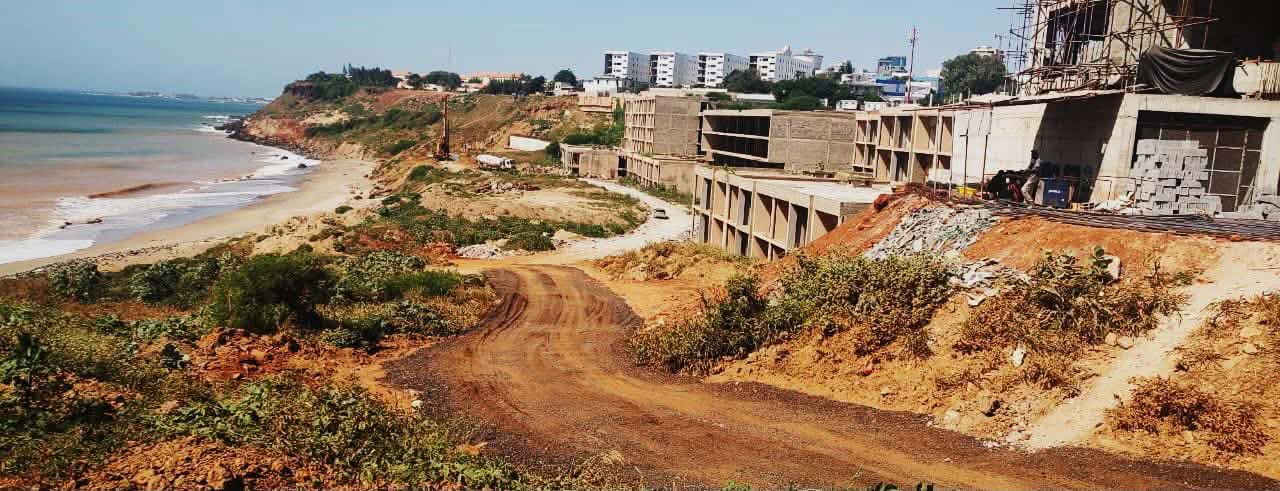
Senegal: Cap Manuel Real Estate Development Violates Coastal Regulations
Summary
- The Cap Manuel coastal strip is currently facing extensive 'wild concrete pouring' and presumed environmental rule violations.
- These activities are reportedly causing 'unbearable nuisances' for the local community.
- The area is officially designated as a protected coastal zone, subject to strict planning and environmental preservation rules.
- The ongoing developments raise significant concerns about adherence to Senegal's environmental regulations.
- The situation highlights potential challenges in enforcing littoral protection in the Cap Manuel region.
What Happened
The developments unfolding along the Cap Manuel coastal strip are considered particularly worrying, raising fundamental questions about adherence to legal frameworks and environmental stewardship within Senegal's coastal development landscape.
The coastal strip of Cap Manuel is currently experiencing a concerning array of issues, including what has been described as 'wild concrete pouring.' This uncontrolled construction activity is reportedly taking place alongside presumed violations of established environmental regulations. Residents and observers in the area are also contending with 'unbearable nuisances' stemming from these developments, which significantly impact their quality of life.
The cumulative effect of these activities on the Cap Manuel coastal development is raising significant alarms regarding the integrity of this sensitive littoral zone. The situation suggests a pattern of intense, and potentially unregulated, real estate development impacting the natural environment and local communities. The scale of the concrete pouring indicates a rapid and possibly unchecked transformation of the coastline, directly challenging the ecological balance of the area.
Legal Context
The Cap Manuel coastal strip is designated as an area that should inherently function as a protected littoral space. This designation implies that the zone is intended to be governed by stringent planning and environmental preservation rules, which are crucial for maintaining the ecological health and natural beauty of such sensitive areas. Such regulations are typically put in place to safeguard the ecological balance and natural beauty of coastal regions, ensuring sustainable development and preventing over-exploitation.
However, the current reported conditions, marked by extensive construction and alleged breaches of environmental protocols, appear to contradict the intended protective framework for this critical area. The situation points to potential challenges in enforcing Senegal's environmental regulations, which are now governed by the 2023 Environmental Code that replaced earlier legislation, particularly those designed for littoral protection. Additionally, parliamentary efforts are currently underway to advance a dedicated coastal protection law.
Why It Matters
The developments unfolding along the Cap Manuel coastal strip are considered particularly worrying, raising fundamental questions about adherence to legal frameworks and environmental stewardship within Senegal's coastal development landscape. The presence of 'wild concrete pouring' and 'presumed violations of environmental rules' in an area specifically designated for protection suggests a potential breakdown in regulatory oversight or enforcement.
This scenario has broader implications for Cap Manuel land use violations and the potential for illegal construction Cap Manuel, indicating that development might be proceeding without proper authorization or environmental impact assessments. The integrity of Senegal's coastal zones and the effectiveness of its environmental protection laws are at stake, making the situation a critical test case for how future coastal development projects will be managed and regulated in the country.
The concerns highlight the importance of robust enforcement to prevent further degradation of vital natural resources and to ensure that development respects established environmental and planning guidelines. The implications extend beyond environmental damage, touching upon issues of governance and the equitable use of public resources, demanding careful attention from authorities and stakeholders alike.
Practical Implications
Lawyers advising real estate developers or environmental compliance officers in Senegal should be aware of increased scrutiny and potential legal challenges regarding coastal development projects in areas like Cap Manuel, particularly concerning environmental impact assessments and adherence to land use regulations. This situation highlights potential legal risks for developers and opportunities for environmental law practitioners to represent affected parties or advise on compliance with Senegal's environmental protection laws.
Source
Source: Original reporting via Mor Seck
How does this affect you?
Get an AI analysis of this article grounded in your jurisdictions, practice areas, and any policy documents you've uploaded to Wansom.
Finish Reading the Full Story and the Expert Analysis.
Get the latest legal & regulatory intelligence in Senegal
Wansom is AI and can make mistakes.