
ANEC: Sénégal État Civil Digitalisation Reaches 77% Coverage
Summary
- Senegal's Agence nationale de l’état civil (ANEC) has digitalized 483 of 629 targeted civil status centers in the country's interior.
- This achievement represents a 77% digitalization rate for the specified regions, as announced by ANEC Director General Matar Ndao.
- ANEC aims to reach 100% digitalization of these centers by December 31, 2026, enhancing public service efficiency.
- The initiative is part of a broader effort to modernize civil registration and improve access to vital documents.
- Legal and compliance professionals can anticipate streamlined access and improved reliability for official document verification.
Current Digitalization Progress in Senegal
The ongoing digitalization of civil status centers in Senegal by ANEC carries profound implications for legal professionals, compliance officers, and various institutional stakeholders.
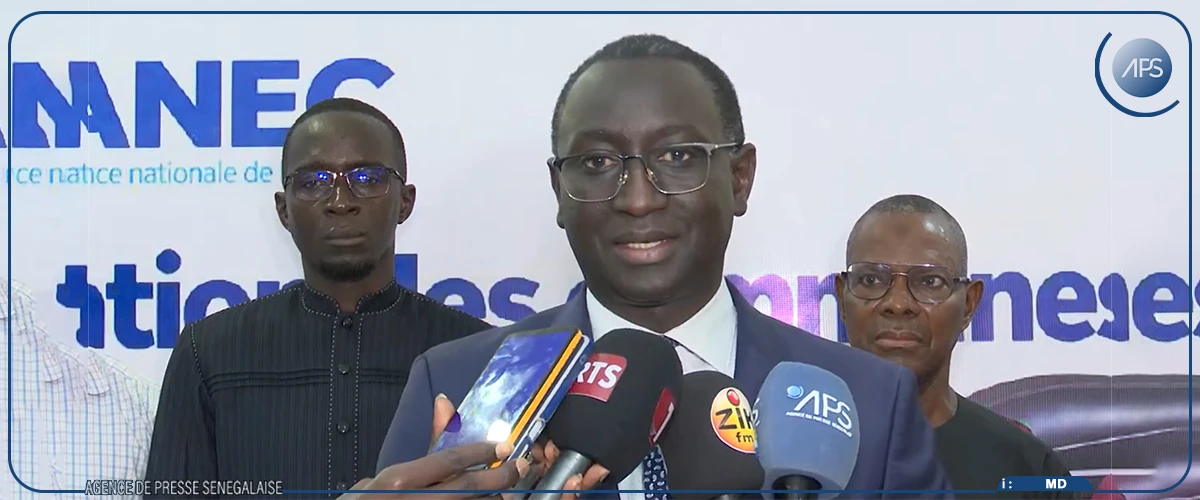
The Agence nationale de l’état civil (ANEC) in Senegal has announced significant progress in its initiative to digitalize civil status centers across the country. As of a recent statement made on Thursday, the agency has successfully brought 483 out of 629 targeted centers in the interior of the country online. This achievement represents a substantial 77% coverage rate for the specified regions, marking a pivotal step in the broader effort to modernize public services.
Matar Ndao, the Director General of ANEC, provided these figures, underscoring the agency's commitment to enhancing the accessibility and efficiency of civil registration services. The ongoing Sénégal état civil digitalisation ANEC 77% project aims to transform how citizens interact with administrative processes, particularly concerning vital documents. The focus on the interior of the country highlights an effort to extend modern services beyond urban hubs, ensuring broader national inclusion in the digital transformation.
This phase of the ANEC Matar Ndao digitalisation strategy is part of a comprehensive plan to upgrade the nation's civil registry infrastructure. The initiative involves equipping these centers with the necessary technology and training personnel to manage digital records, moving away from traditional paper-based systems. The 77% completion rate indicates a robust implementation trajectory, setting the stage for the final push towards full coverage.
Ambitious Goals for Full Coverage
Looking ahead, ANEC has set an ambitious target to achieve 100% digitalization of all civil status centers in the interior of the country by December 31, 2026. This accelerated timeline reflects the government's strong push for comprehensive modernization état civil Sénégal, aiming to fully integrate digital solutions into core administrative functions. The completion of this goal would mean that all 629 identified centers would be equipped to handle civil registration processes digitally, significantly streamlining operations nationwide.
This commitment to dématérialisation état civil Sénégal is not merely about technological upgrades; it represents a fundamental shift in public service delivery. By year-end, citizens in these regions are expected to benefit from a more efficient and reliable system for registering births, marriages, and deaths, as well as obtaining related official documents. The initiative is designed to overcome geographical barriers and reduce the administrative burden often associated with traditional civil status procedures.
Legal and Practical Implications for Stakeholders
The ongoing digitalization of civil status centers in Senegal by ANEC carries profound implications for legal professionals, compliance officers, and various institutional stakeholders. The move towards a fully digital system promises streamlined access to official documents such as birth, marriage, and death certificates, which are crucial for a multitude of legal and administrative processes. This development is expected to significantly reduce the processing times traditionally associated with obtaining these vital records, thereby enhancing operational efficiency for legal firms and corporate compliance departments.
Improved reliability of document verification is another key benefit arising from the Sénégal centres état civil numérisation. Digital records are inherently more secure and less prone to fraud or loss compared to their paper counterparts, offering greater assurance in legal proceedings, client onboarding, and compliance checks. Lawyers and compliance officers should closely monitor ANEC's full implementation, as new digital platforms and procedures will likely emerge, necessitating adjustments in current practices for accessing and verifying civil status information. The enhanced accès documents état civil Sénégal will ultimately foster a more transparent and efficient legal and administrative environment.
Practical Implications
The ongoing digitalization of civil status centers in Senegal by ANEC means lawyers and compliance officers should anticipate streamlined access to official documents like birth, marriage, and death certificates. This development could significantly reduce processing times and improve the reliability of document verification for legal proceedings, client onboarding, and compliance checks. They should monitor ANEC's full implementation for new digital platforms or procedures.
Source
Source: Original reporting via APS
How does this affect you?
Get an AI analysis of this article grounded in your jurisdictions, practice areas, and any policy documents you've uploaded to Wansom.
Finish Reading the Full Story and the Expert Analysis.
Get the latest legal & regulatory intelligence in Senegal
Wansom is AI and can make mistakes.