
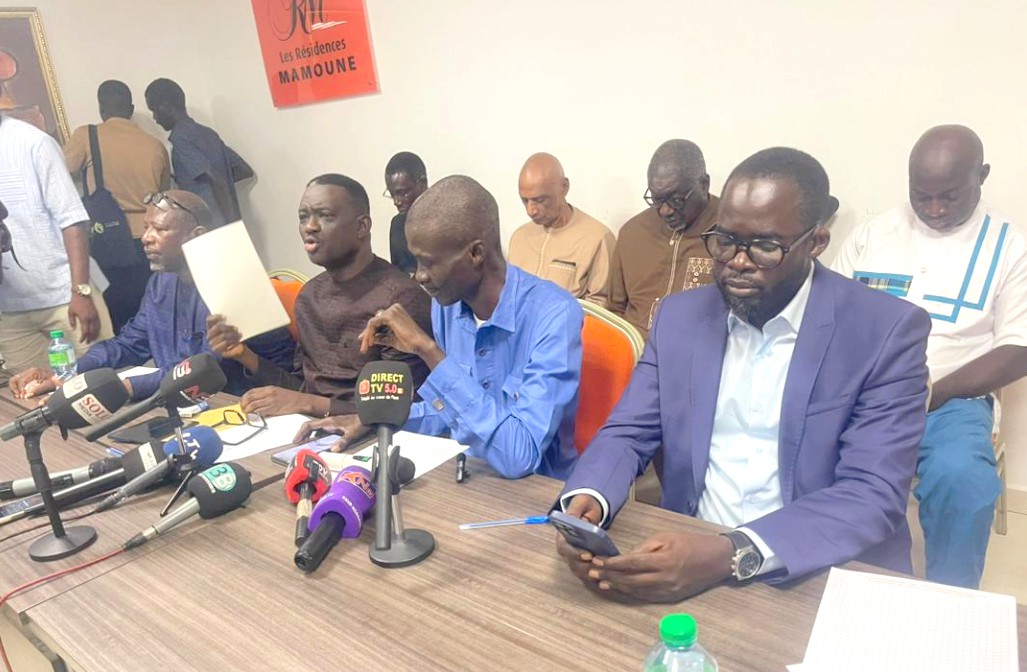
Senegal Civil Society: Demands Clarification On Élections Territoriales Calendrier
Summary
- Twenty Senegalese civil society organizations are demanding immediate clarification of the electoral calendar for upcoming territorial elections.
- The mandate for current municipal and departmental councils ends on January 22, 2027, requiring renewal within 30 days prior, per the Code électoral.
- Key preparatory steps, including voter list revision (due February 1, 2026, per Article L.37) and candidate deposit amounts, remained unaddressed as of August 2026.
- Organizations warn that delays in one stage could negatively impact subsequent electoral processes, emphasizing the need for predictability and transparency.
- Prominent signatories include COSCE, ONG-3D, and the Ligue sénégalaise des droits de l’homme, calling for regular information for all stakeholders.
Call for Clarity on Electoral Calendar
Lawyers advising political parties or candidates in Senegal should closely monitor official announcements regarding the territorial election calendar, as the current lack of clarity could impact compliance with registration deadlines and other electoral procedures, potentially leading to legal challenges or disputes over the legitimacy of the process.
Twenty civil society and human rights organizations in Senegal have issued a joint appeal for immediate clarification of the electoral calendar for the upcoming territorial elections. With the mandate of current municipal and departmental councilors set to expire in less than five months, significant preparatory operations and the precise date of the vote remain unconfirmed. This collective demand aims to ensure transparency and predictability in the electoral process, which is crucial for maintaining public trust.
The organizations are specifically requesting a comprehensive roadmap that details several key stages. This includes the definitive date for the vote, the schedule for the revision of voter lists, the amount required for candidate deposits (caution), procedures for candidate filing and vetting, and an outline of logistical preparations. Their intervention underscores a growing concern among civil society about the lack of official communication regarding these critical aspects of the electoral cycle, particularly as the deadline for the current mandates approaches.
This recent call for a clear Sénégal élections territoriales calendrier clarification follows a similar alert issued in August by the Front pour la Défense de la Démocratie et de la République (FDR). The FDR had previously highlighted specific procedural delays, indicating that the ordinary revision of voter lists, mandated by law to begin earlier in the year, had not yet commenced. The recurring nature of these concerns from various civil society groups points to a systemic issue in the communication and planning of the upcoming elections.
Mandate and Legal Framework
The current municipal and departmental councils, which were elected on January 23, 2022, are scheduled to conclude their five-year terms on January 22, 2027. According to the provisions of the Code électoral, the renewal of these councils must occur within the thirty days immediately preceding the expiration of their mandate. This legal requirement places the latest possible date for the next territorial elections around December 23, 2026, creating a tight timeframe for the necessary preparatory steps.
Further compounding the urgency, the Code électoral Sénégal article L.37 mandates that the ordinary revision of voter lists should have commenced on February 1, 2026. However, as of August 20, 2026, this crucial operation had not yet taken place. Additionally, the amount of the caution, or deposit, required for candidates had also not been fixed by that date, adding another layer of uncertainty to the electoral preparations. These unaddressed procedural requirements are central to the concerns raised by civil society organizations regarding the Sénégal calendrier élections municipales and départementales.
The lack of clarity surrounding these fundamental legal and procedural aspects could significantly impact the integrity and fairness of the electoral process. Lawyers advising political parties or candidates in Senegal should closely monitor official announcements regarding the territorial election calendar, as the current lack of clarity could impact compliance with registration deadlines and other electoral procedures, potentially leading to legal challenges or disputes over the legitimacy of the process.
Risks of Delay and Erosion of Trust
While the twenty organizations are not suggesting that the upcoming elections will inherently be irregular, they are issuing a strong warning about the potential cascading effects of delays. They emphasize that any postponement or lack of clarity in one stage of the electoral process could adversely impact subsequent stages, creating a domino effect that jeopardizes the entire timeline. This interconnectedness of electoral operations necessitates a well-defined and publicly known schedule to ensure a smooth transition.
The organizations firmly believe that the predictability of the electoral calendar is a cornerstone of public confidence in the democratic process. They advocate for a framework where transparency and strict adherence to legal deadlines are paramount, guiding every step of the electoral cycle. Without such a framework, there is a risk of eroding trust among political parties, candidates, and the general populace, potentially leading to questions about the legitimacy of the electoral outcomes.
This collective stance by organisations société civile Sénégal élections highlights their role as watchdogs for democratic principles. Their consistent calls for clarity and adherence to legal provisions are aimed at safeguarding the electoral process against avoidable complications and ensuring that the Sénégal élections territoriales calendrier clarification is provided promptly and comprehensively.
Voices for Transparency
Among the prominent signatories to the appeal are several well-known civil society groups dedicated to human rights and good governance. These include COSCE, ONG-3D, the Forum du Justiciable, RADDHO, the Ligue sénégalaise des droits de l’homme, Africa Jom Center, and Dialogue Citoyen. Their collective voice amplifies the urgency of the situation and underscores the broad consensus within civil society regarding the need for immediate action from authorities.
Beyond merely requesting a detailed calendar, these organizations are also demanding regular and consistent information dissemination to all stakeholders. This includes political parties, other citizen organizations, and the general population. They argue that continuous communication is essential for all participants to adequately prepare and engage in the electoral process, fostering an environment of inclusivity and informed participation.
Their unified message is clear: a detailed and transparent electoral roadmap is not just a procedural formality but a fundamental requirement for a credible and peaceful election. The focus remains on ensuring that the upcoming élections départementales Sénégal 2027 and municipal renewals are conducted in a manner that upholds democratic principles and public trust.
Practical Implications
Lawyers advising political parties or candidates in Senegal should closely monitor official announcements regarding the territorial election calendar. The current lack of clarity could impact compliance with registration deadlines and other electoral procedures, potentially leading to legal challenges or disputes over the legitimacy of the process.
Source
How does this affect you?
Get an AI analysis of this article grounded in your jurisdictions, practice areas, and any policy documents you've uploaded to Wansom.
Finish Reading the Full Story and the Expert Analysis.
Wansom is AI and can make mistakes.