
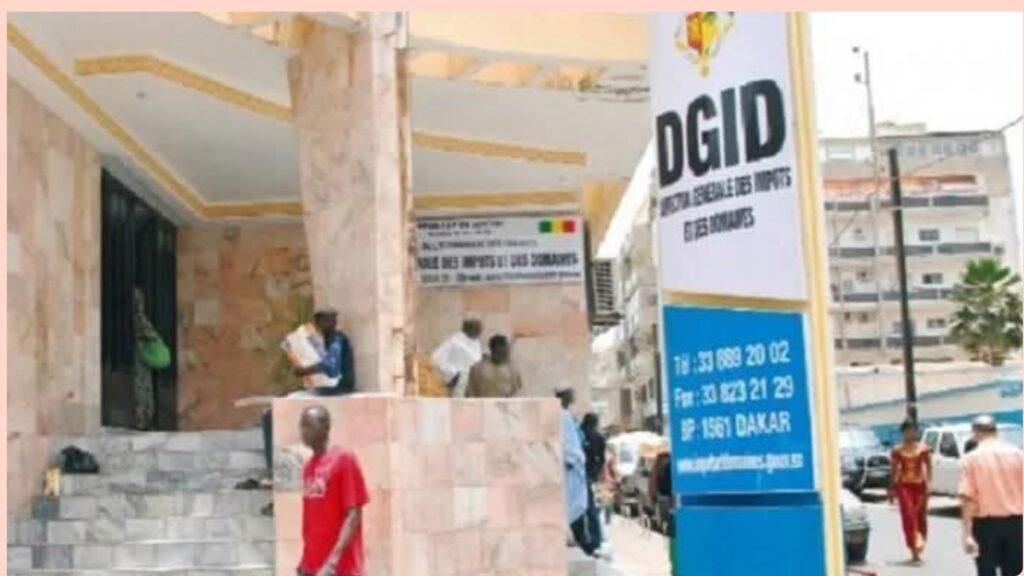
Sénégal DGID: Élargissement Assiette Fiscale Cible Informel, Numérique
Summary
- Senegal's tax authorities are expanding the tax base without introducing new general taxes.
- This strategy involves progressively formalizing the informal sector and taxing the digital economy.
- The government aims to reduce the public deficit by reorienting expenditures, particularly through a significant subsidy reform.
- Subsidies will now target social safety nets and vulnerable households, with social grants increasing from 70 billion to 140 billion FCFA.
- These fiscal adjustments are part of a broader economic strategy supported by a $2.2 billion IMF program over 36 months.
Sénégal DGID élargissement assiette fiscale: A Strategic Fiscal Shift
The Direction Générale des Impôts et des Domaines (DGID) is actively pursuing the mobilization of internal resources through an expanded tax base, specifically targeting the progressive registration of the informal sector and the taxation of the digital economy, all without introducing new general taxes for citizens.
Senegal's budgetary authorities are embarking on a significant fiscal strategy aimed at bolstering public finances without imposing new general taxes on its citizens. Abdouaziz Diagne, a key figure in this initiative, has explicitly stated that the government's approach will not involve creating additional levies that burden taxpayers. Instead, the focus is on a comprehensive plan to reduce the public deficit by strategically reorienting existing expenditures, rather than directly increasing the overall tax burden.
Central to this new fiscal direction is the Direction Générale des Impôts et des Domaines (DGID)'s commitment to a substantial Sénégal DGID élargissement assiette fiscale. This expansion is primarily driven by two key pillars: the progressive registration and formalization of the informal sector, and the implementation of taxation for the burgeoning digital economy in Sénégal. The DGID is actively pursuing this mobilization of internal resources, ensuring that the country's revenue base grows organically through improved compliance and broader inclusion, rather than through the introduction of new fiscal impositions.
Reforming Subsidies for Equitable Distribution
A critical component of this fiscal reorganization is a fundamental overhaul of the nation's subsidy system. Historically, a significant portion of governmental aid has not reached its intended beneficiaries, with data indicating that 65% of these subsidies disproportionately benefited the wealthiest 20% of the population. This imbalance is now being addressed through a deliberate policy shift.
Under the new framework, subsidies are slated for reorientation, with a clear mandate to direct them more effectively towards social safety nets and vulnerable households. This strategic réforme subventions Sénégal aims to ensure that public funds provide genuine support where it is most needed. A tangible manifestation of this commitment is the planned strengthening of social grants. The envelopes allocated for these grants are projected to first double, then subsequently quadruple, escalating from 70 billion FCFA to a substantial 140 billion FCFA. This ambitious expansion is designed to extend coverage to nearly one million households, significantly enhancing social protection across the country.
Broader Economic Context and International Alignment
These domestic fiscal adjustments, spearheaded by the DGID's efforts in areas like taxation secteur informel Sénégal and the économie numérique Sénégal impôts, are integral to a broader economic framework. The ongoing drive to mobilize internal resources is being pursued without the announcement of any new taxes specifically targeting taxpayers, reinforcing the government's commitment to a non-punitive approach to fiscal strengthening.
Furthermore, Senegal's comprehensive fiscal strategy is aligned with international partnerships. An agreement has been concluded with the International Monetary Fund (IMF), outlining a substantial program valued at $2.2 billion, to be disbursed over a 36-month period. This international backing underscores the significance and scope of the fiscal reforms being undertaken, with the DGID's expanded tax base initiatives playing a crucial role in achieving sustainable economic stability and growth.
Practical Implications
Lawyers and compliance officers should advise clients operating in Senegal's informal sector or digital economy to prepare for increased tax scrutiny and potential formalization requirements, as the DGID expands its tax base without introducing new general taxes. This signals a shift in tax enforcement focus that could impact business operations and compliance obligations.
Source
How does this affect you?
Get an AI analysis of this article grounded in your jurisdictions, practice areas, and any policy documents you've uploaded to Wansom.
Finish Reading the Full Story and the Expert Analysis.
Wansom is AI and can make mistakes.