
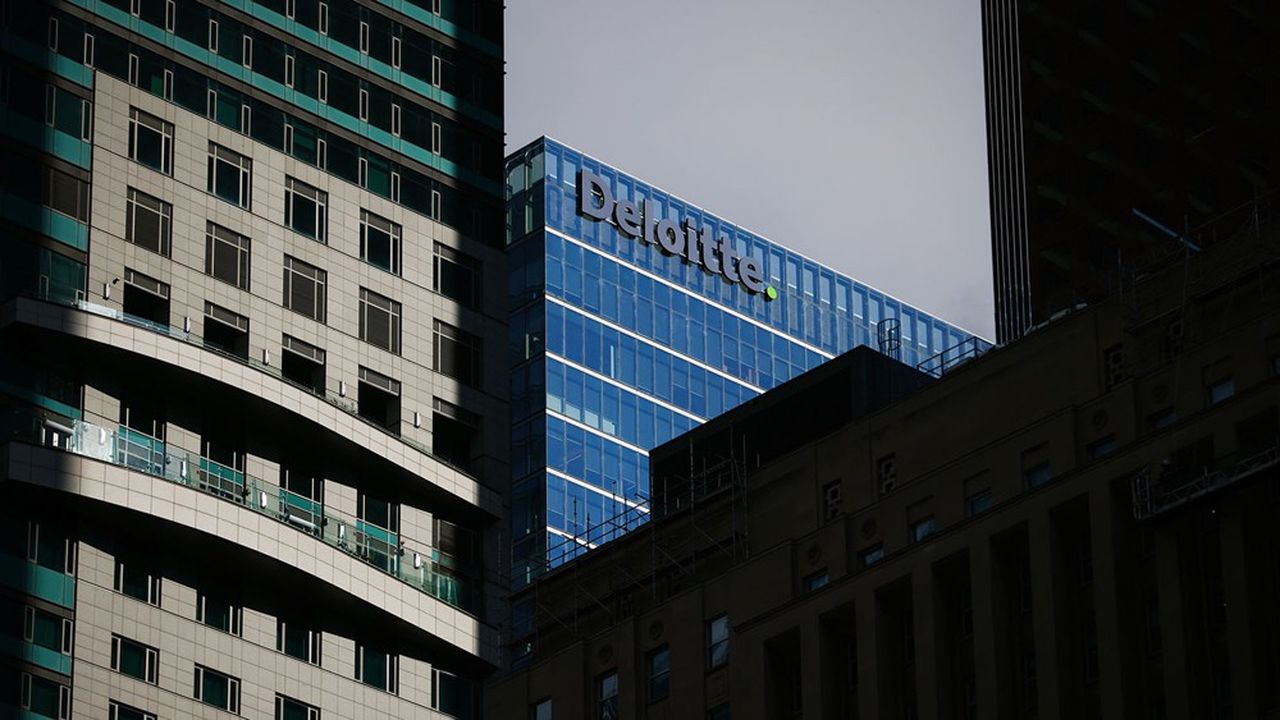
Sénégal: Deloitte Audit Dette Before IMF $2.2 Billion Financing
Summary
- Deloitte has reportedly been chosen to audit Senegal's public debt, a prerequisite for a $2.2 billion IMF financing agreement.
- This audit follows an earlier review by Forvis Mazars, which estimated central government debt at 111% of GDP, while the IMF projects 132% by 2024.
- The IMF's financing is contingent on parliamentary approval of budget measures, but the majority Pastef party has rejected the revised 2026 budget bill.
- Senegal aims to reach agreements in principle with official creditors and bondholders by December.
Key Audit Underway
Senegal has reportedly engaged Deloitte to conduct an audit of its public debt, a critical step preceding the International Monetary Fund's (IMF) board consideration of a substantial $2.2 billion financing package.
Senegal has reportedly engaged Deloitte to conduct an audit of its public debt, a critical step preceding the International Monetary Fund's (IMF) board consideration of a substantial $2.2 billion financing package. This development, which sources close to the matter indicate occurred last month, underscores the nation's efforts to align its fiscal transparency with international financial requirements. The engagement of Deloitte for this crucial review is understood to be a prerequisite for the IMF's formal program review, as reported by Bloomberg.
This new Deloitte audit of Senegal's debt builds upon earlier reconciliation work performed by Forvis Mazars. The findings from that initial examination led Senegalese authorities to assess the central government's debt at 111% of its Gross Domestic Product (GDP). This figure represents a significant increase from approximately 74% of GDP recorded at the close of 2023, highlighting a rapidly evolving fiscal landscape. The IMF, for its part, projected the country's debt to reach 132% of GDP by the end of 2024, indicating a notable divergence in assessments.
Neither Deloitte nor the Senegalese Ministry of Finance offered comments on the matter when contacted for information. The news regarding Deloitte's involvement was also disseminated by Seneplus, further solidifying the public awareness of this significant financial undertaking. The audit's initiation signals a commitment to clarifying the nation's financial position ahead of crucial international financial support.
Fiscal Policy and Parliamentary Challenges
A primary outstanding requirement involves the Senegalese Parliament's adoption of specific budgetary measures detailed in the country's financial texts; however, the National Assembly has recently rejected the revised 2026 budget bill, presenting a significant legislative hurdle given the political dynamics.
Deputies from the Pastef party, which holds a majority in the legislative body, have rejected proposed reductions in public investment by voting against the revised 2026 budget bill. This resistance highlights potential friction between the government's fiscal commitments to the IMF and domestic political priorities. The IMF, through its spokesperson Julie Kozack, confirmed on Thursday that it is closely monitoring discussions surrounding the 2026 budget and the 2027 spending plan.
Kozack emphasized that while the Fund refrains from engaging in internal political debates, it expects a fiscal framework that is consistent with the policies previously agreed upon with Senegalese authorities. This stance underscores the IMF's focus on the technical and policy aspects of the agreement, rather than the political processes involved in their implementation. The successful navigation of these parliamentary challenges is crucial for unlocking the full IMF financing.
Path Forward for Debt Management
Looking ahead, Senegal has communicated its strategic intent to its creditors, aiming to secure "agreements in principle" with both official creditors and bondholders by December. This ambitious timeline suggests a concerted effort to restructure or manage its debt obligations effectively, potentially leveraging the insights gained from the ongoing Deloitte audit. The outcome of these negotiations will be pivotal for the nation's financial stability and its ability to attract future investment.
The comprehensive review of Senegal's public debt by Deloitte, alongside the ongoing negotiations with the IMF and creditors, represents a critical juncture for the nation's economic trajectory. The transparency and accuracy provided by the audit are expected to inform future fiscal decisions and strengthen the country's position in international financial markets. The interplay between the audit findings, parliamentary actions, and creditor agreements will ultimately shape Senegal's economic future.
Practical Implications
Lawyers advising clients with investments, project financing, or sovereign debt exposure in Senegal should monitor the outcome of this Deloitte audit and the ongoing IMF negotiations. These developments could signal shifts in Senegal's fiscal policy, potentially impacting financial stability, regulatory frameworks, and the enforceability of contracts or debt instruments in the country.
Source
How does this affect you?
Get an AI analysis of this article grounded in your jurisdictions, practice areas, and any policy documents you've uploaded to Wansom.
Finish Reading the Full Story and the Expert Analysis.
Get the latest legal & regulatory intelligence in Senegal
Wansom is AI and can make mistakes.