
Sénégal: Dette FMI Impact Banques UMOA, Risque de Fragilisation
Summary
- Senegal's debt treatment plan and IMF agreement are closely linked to the stability of UMOA regional banks.
- UMOA banks hold significant Senegalese debt securities (BAT and OAT), making them vulnerable to harsh reprofiling.
- Weakening these banks could reduce financing for businesses and households, hindering investment and increasing poverty in Senegal.
- The Senegal-IMF agreement provides approximately USD 2.2 billion over three years via the Extended Credit Facility.
- Experts warn that a shock to regional banks could escalate the existing debt crisis into a banking crisis, impacting UEMOA financial stability.
Senegal's Debt Reprofiling and Regional Banking Stability
A shock to regional banks, therefore, carries the significant risk of compounding the existing debt crisis with a broader banking crisis, threatening the stability of the entire UEMOA financial system.
Senegal's ongoing debt treatment plan, coupled with its recent agreement with the International Monetary Fund (FMI), presents a complex challenge that extends beyond national borders, directly impacting the stability of the West African Monetary Union (UMOA) banking sector. Banks within the UMOA hold a substantial volume of Senegalese debt securities, specifically Bons du Trésor Assimilables (BAT) and Obligations Assimilables du Trésor (OAT), which are denominated in FCFA.
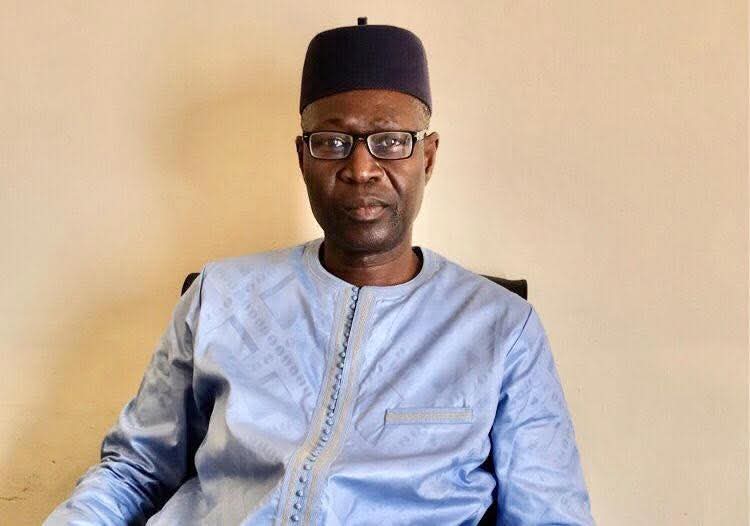
Experts warn that any abrupt or harsh reprofiling of this debt could significantly weaken these regional financial institutions. An analysis published by EMedia, attributed to Pr Amath Ndiaye, a professor at FASEG-UCAD, highlights that safeguarding UMOA banks is not merely about protecting financial entities but is crucial for preserving the broader Senegalese economy. The intricate relationship between the Sénégal dette and the health of regional banks underscores the delicate balance required in managing the nation's financial obligations.
Economic Repercussions of Banking Fragility
Should UMOA banks face fragilisation due to the debt reprofiling, the economic repercussions for Senegal could be severe and far-reaching. Such a scenario would likely lead to a significant reduction in the financing available to both businesses and households, thereby hindering investment across various sectors. This, in turn, is projected to exacerbate unemployment and escalate poverty levels within the country.
The regional financial system has historically played a pivotal role in Senegal's economic resilience. It enabled the Senegalese state to mobilize savings from across the UMOA, particularly during periods when access to international financial markets was largely inaccessible. Thousands of billions of FCFA were successfully raised through this integrated market, demonstrating its vital function in supporting the nation's development and financial needs.
Balancing State Needs with Financial System Integrity
The recent accord Sénégal FMI, which provides approximately USD 2.2 billion to Senegal over three years through the Extended Credit Facility, represents a significant step in addressing the nation's financial challenges. Jean-Claude Kassi Brou, the Governor of the BCEAO, publicly lauded this agreement on September 9, 2026, describing it as a "strong signal" for the overall stabilité financière UEMOA Sénégal.
However, the core challenge remains the equitable distribution of the financial burden between the Senegalese state and its diverse categories of creditors. It is imperative to achieve this without creating an adversarial relationship between banking institutions and the general populace. A shock to regional banks, therefore, carries the significant risk of compounding the existing debt crisis with a broader banking crisis, threatening the stability of the entire UEMOA financial system.
Practical Implications
Lawyers advising financial institutions or businesses in Senegal or the UMOA region should closely monitor the financial stability of regional banks and the implications of Senegal's debt restructuring (BAT/OAT) for credit availability and investment, particularly in light of the IMF agreement. This situation presents potential risks to financing and overall economic stability that could affect client operations and transactions.
Source
How does this affect you?
Get an AI analysis of this article grounded in your jurisdictions, practice areas, and any policy documents you've uploaded to Wansom.
Finish Reading the Full Story and the Expert Analysis.
Get the latest legal & regulatory intelligence in Senegal
Wansom is AI and can make mistakes.