
Senegal CN-ITIE: Extractive Revenue Local Transfer Weakness Identified
Summary
- Senegal's CN-ITIE rated the transfer of extractive revenues to local authorities at 50/100, the lowest score among all indicators.
- Extractive revenues surged to 303.02 billion FCFA in H1 2025, with oil revenues alone increasing by 74.22% year-over-year.
- The State and extractive companies are responsible for disbursing funds like mining royalties, which are legally instituted but require better distribution mechanisms.
- The government is finalizing the regulatory framework for these transfers, and ministries have committed to distributing resources for 2020, 2022, and 2023.
- Despite this weakness, Senegal achieved an overall ITIE score of 89/100, though local financial transfers remain the main governance blind spot.
Senegal's Extractive Revenue Distribution Under Scrutiny
The financial transfer to local authorities remains the principal blind spot in Senegal's governance of extractive resources.
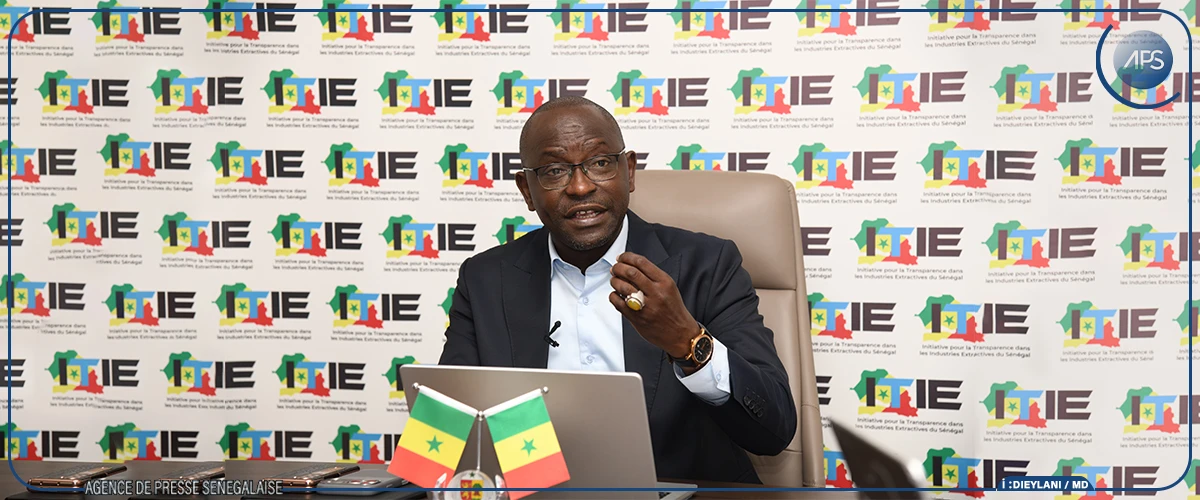
Senegal's National Committee of the Extractive Industries Transparency Initiative (CN-ITIE) has identified the transfer of extractive revenues to local authorities as a significant weakness in the nation's financial governance. This assessment comes as the country experiences a substantial increase in earnings from its burgeoning oil and gas sector, highlighting the critical importance of equitable distribution. The CN-ITIE assigned Senegal a score of 50 out of 100 for its performance in channeling these funds to communes and departmental councils, marking it as the lowest score across all indicators evaluated, according to Thialy Faye, president of the CN-ITIE.
The urgency of addressing this issue is underscored by the rapid growth in the sector's financial contributions. Total extractive revenues reached 303.02 billion FCFA in the first half of 2025, with 293.24 billion FCFA subsequently directed to the state budget. Petroleum revenues alone surged by 74.22% in a single year, climbing from 43.55 billion FCFA in the first half of 2024 to 75.87 billion FCFA in the corresponding period of 2025. This dramatic increase amplifies the challenge of ensuring that the benefits of these resources are adequately shared with the regions directly impacted by extractive operations, a key aspect of effective extractive revenue distribution Senegal.
Bridging the Gap: Local Transfers of Extractive Funds
The funds at the heart of this challenge include crucial mining royalties, which are designated to be disbursed by both the State and the operating mining and oil companies. Thialy Faye of the CN-ITIE emphasizes that the legal frameworks for these resources are already established; the primary hurdle lies in organizing their comprehensive and timely distribution, particularly as initial oil exploitation revenues begin to significantly influence public finances. This points to a systemic issue in how Senegal extractive revenue local transfer mechanisms are operationalized, rather than a lack of foundational policy.
In response to this identified weakness, the CN-ITIE has proactively developed an action plan. The committee has also initiated discussions with relevant ministerial departments to advance the resolution of this matter. These efforts are crucial for improving Senegal CN-ITIE local revenue transparency and ensuring that local communities receive their rightful share, thereby fostering better community relations and a stronger social license to operate for extractive firms.
Regulatory Framework and Government Commitments
The Senegalese government, for its part, is actively engaged in finalizing the regulatory and legislative framework that governs the transfer of these funds to local authorities. This ongoing work is critical for providing clarity and enforceability to the distribution process. According to Thialy Faye in an interview with APS, the concerned ministerial departments have made commitments to distribute specific resources corresponding to the years 2020, 2022, and 2023, signaling a recognition of past shortfalls and a move towards rectification.
The CN-ITIE has affirmed its commitment to persistently engage with authorities on the redistribution of revenues from the extractive sector. Illustrating this dedication, the committee recently conducted an initial assessment in Fatick, reviewing the financial impacts of 2024 oil exploitation alongside administrative authorities, local elected officials, and civil society representatives. This initiative underscores the vital need to meticulously document the actual amounts that reach the territories, moving beyond national revenue figures to ensure tangible benefits for local populations and to strengthen the Sénégal collectivités territoriales fonds extractifs system.
Transparency and Trust: The Broader Implications
This identified weakness in local revenue transfers stands in stark contrast to Senegal's otherwise strong performance in implementing the Extractive Industries Transparency Initiative Senegal (ITIE) standard. The country achieved an impressive overall score of 89 out of 100. This high score reflects robust performance in specific areas, including 92.5 points for results and impact, 87.5 points for stakeholder engagement, and 81 points for transparency. In March, the international organization's board specifically commended Senegal's efforts in publishing extractive revenue data, acknowledging its commitment to broader transparency.
However, despite these achievements, the financial transfer to local authorities remains the principal blind spot in Senegal's governance of extractive resources. This situation carries significant implications for lawyers advising extractive companies in Senegal, who must closely monitor the government's finalization of the regulatory framework for local revenue transfers. New legislation or stricter enforcement could significantly impact compliance obligations, community relations, and the social license to operate for their clients, making the effective implementation of Senegal mining oil revenue sharing policies a critical area of focus.
Practical Implications
Lawyers advising extractive companies in Senegal must closely monitor the government's finalization of the regulatory framework for local revenue transfers, as new legislation or stricter enforcement could significantly impact compliance obligations, community relations, and the social license to operate for their clients.
Source
Source: Original reporting via APS
How does this affect you?
Get an AI analysis of this article grounded in your jurisdictions, practice areas, and any policy documents you've uploaded to Wansom.
Wansom is AI and can make mistakes.