
Sénégal: Rejet Lois de Finances Kiiraay Menace Formation Projets
Summary
- Sénégal's 2026 Rectified Finance Law has been rejected, and the 2027 Initial Finance Law is currently undergoing legislative debate.
- Kiiraay warns this rejection jeopardizes plans to train 15,000 people and develop four professional training centers in 2027.
- Aminata Touré estimates 2,505 billion FCFA are blocked, threatening the national economy and private sector.
- An additional 300 billion FCFA for the construction sector are also at risk, according to Dr. Ibrahima Badji.
- The government had prioritized social spending in the LFR, deferring some infrastructure projects, but parliamentarians rejected the texts without thorough debate.
Rejection of Key Finance Laws in Sénégal
Aminata Touré quantified the resources blocked by the LFR rejection at 2,505 billion FCFA, estimating that this jeopardizes the national economy and the private sector.
The legislative landscape in Sénégal has been significantly altered by the recent rejection of the 2026 Rectified Finance Law (LFR) and the ongoing legislative debate surrounding the 2027 Initial Finance Law (LFI). This pivotal decision, a rejet budgétaire Sénégal 2026 2027, has immediately raised concerns among various stakeholders, particularly regarding its potential impact on critical development initiatives. A spokesperson for Kiiraay, a prominent organization, has voiced apprehension that this legislative setback could directly impede several professional training projects slated for the upcoming year.
Specifically, the program envisioned by Kiiraay formation professionnelle Sénégal for 2027 includes ambitious targets: the provision of training for 15,000 individuals, the construction of two new vocational centers, and the essential rehabilitation of two existing facilities. These crucial projects, designed to bolster the nation's skilled workforce, are now facing considerable uncertainty. The spokesperson underscored that the non-adoption of these financial texts places these vital educational and infrastructural endeavors in jeopardy, signaling potential delays or even cancellations.
Widespread Economic and Social Ramifications
Beyond the immediate concerns for professional training, the rejet lois de finances Kiiraay has sparked broader worries about its economic and social repercussions across the nation. Aminata Touré quantified the resources blocked by the LFR rejection at 2,505 billion FCFA, estimating that this jeopardizes the national economy and the private sector. This significant financial impasse creates an impact économique rejet budget Sénégal.
Further highlighting the specific sectoral vulnerabilities, Dr. Ibrahima Badji has indicated that 300 billion FCFA earmarked for the BTP (construction and public works) sector would remain inaccessible without the adoption of the finance law. These significant figures illustrate the scale of the potential consequences, as articulated by proponents of the LFR. Moreover, KIRAAY Kaffrine has expressed deep concerns that the legislative impasse could have far-reaching negative effects on public policies and the daily lives of households throughout Sénégal.
The government's rationale for the Rectified Finance Law was to adapt budgetary forecasts to prevailing economic realities. The spokesperson explained that the initial finance law had been presented by the former Prime Minister and subsequently adopted by deputies. However, the government later introduced the LFR to adjust these projections. In doing so, authorities reportedly prioritized urgent social needs, such as salaries and scholarships, a decision that necessitated the deferral of certain construction and infrastructure projects.
Political Disagreement and Future Outlook
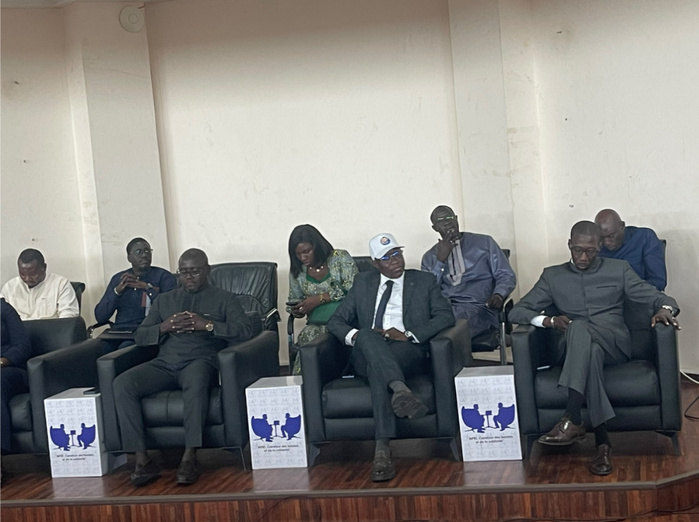
The circumstances surrounding the rejection of these finance laws also reveal a deep political divide. The Kiiraay spokesperson openly criticized parliamentarians, asserting that they rejected the texts without engaging in thorough discussions with government representatives or genuinely confronting the arguments presented. This lack of substantive exchange, she implied, undermined the legislative process.
During a press conference where these details were reported by dakaractu, the spokesperson urged the Senegalese populace to assess their political leaders based on the priority they assign to citizens' concerns. She further suggested that the successive rejections of these crucial financial documents reflected a deliberate intent to obstruct the government's ability to act effectively. Addressing comments regarding the imprisonment of political adversaries, she staunchly defended the principles of democratic debate, concluding with the assertion that "A politician is fought on the ground."
Practical Implications
Lawyers and compliance officers in Senegal should advise clients on the heightened regulatory and economic uncertainty following the rejection of the 2026 Rectified Finance Law and 2027 Initial Finance Law. This situation could lead to significant delays or cancellations of government-funded projects, particularly in professional training and construction, necessitating a review of existing contracts, financial forecasts, and potential compliance exposures related to public procurement and project execution.
Source
Source: Original reporting via dakaractu
How does this affect you?
Get an AI analysis of this article grounded in your jurisdictions, practice areas, and any policy documents you've uploaded to Wansom.
Finish Reading the Full Story and the Expert Analysis.
Get the latest legal & regulatory intelligence in Senegal
Wansom is AI and can make mistakes.