
Sénégal: Assemblée Nationale Vote Rejet Budget 2027, IMF Deal at Risk
Summary
- The Senegalese National Assembly rejected the proposed 2027 budget, preventing the adoption of the initial finance bill.
- The vote saw 126 deputies oppose both the revenue and public debt components of the budget.
- Finance Minister Cheikh Diba warned that the rejection could compromise a $2.2 billion IMF program, raise borrowing costs, and delay payments to businesses.
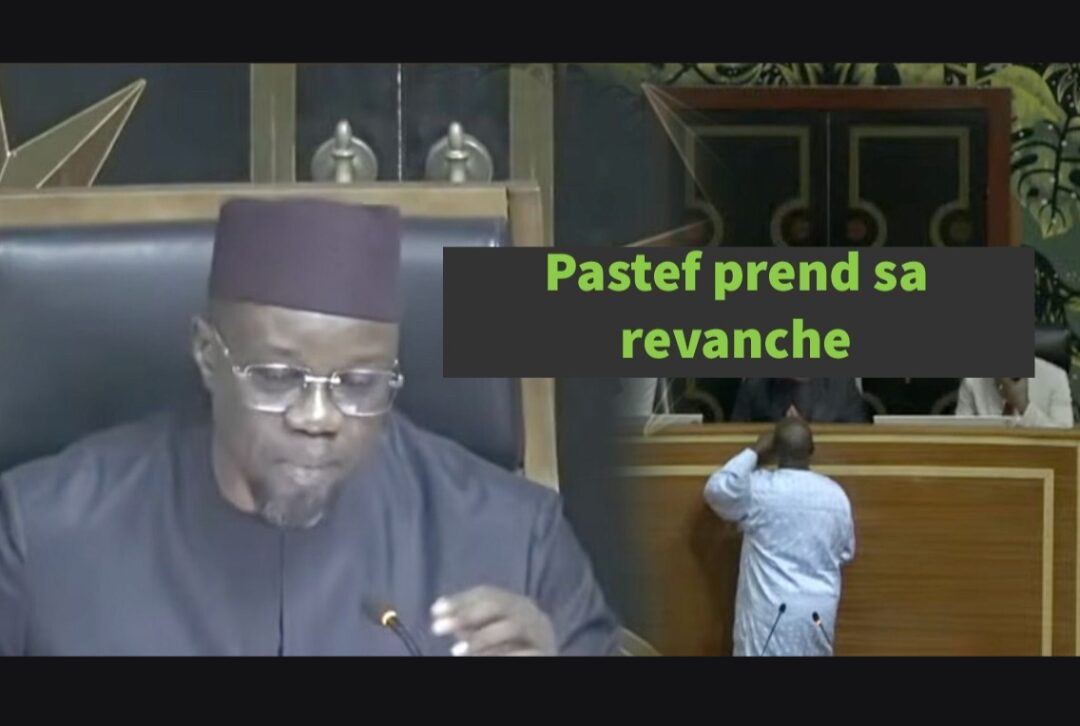
- During debates, Minister Diba directly appealed to National Assembly President Ousmane Sonko, who reiterated the separation of institutional roles.
- The parliamentary majority maintained its opposition, citing insufficient guarantees of budgetary sincerity and household protection.
The Budget Rejection
Minister Diba cautioned that the ongoing rejet budget Sénégal 2027 could jeopardize a critical $2.2 billion program under consideration with the International Monetary Fund (IMF), potentially increasing the nation's borrowing costs on international markets.
The Senegalese National Assembly recently voted to reject the proposed 2027 budget, a decision that effectively prevents the adoption of the country's initial finance bill. This significant legislative setback saw 126 deputies vote against the revenue component of the budget, with only 18 in favor and 3 abstentions. The section pertaining to public debt faced an identical outcome, recording 126 votes against, 18 in support, and 2 abstentions.
This rejection marks the second such instance in recent legislative proceedings, following a similar vote against the rectifying finance bill for 2026. The consistent opposition from the parliamentary majority underscores a deepening political divide regarding the nation's fiscal direction. The immediate consequence is a halt to the formal legislative process for the 2027 financial year, creating uncertainty for future government operations and planning.
Economic Warnings and Justifications
During the parliamentary debates, Cheikh Diba, the Minister of Finance and Budget, vigorously defended the government's financial projections and addressed concerns raised by the finance commission. He highlighted a crucial methodological shift, noting that the base year for national accounts had been updated from 2014 to 2021, which influenced the budget's underlying figures. However, the minister also issued a stark warning regarding the potential repercussions of a prolonged budgetary impasse.
Minister Diba cautioned that the ongoing rejet budget Sénégal 2027 could jeopardize a critical $2.2 billion program under consideration with the International Monetary Fund (IMF), potentially increasing the nation's borrowing costs on international markets. Furthermore, he emphasized that such a blocage budget Sénégal FMI would impede the government's capacity to initiate new spending on vital social, health, and educational initiatives. Crucially, he also warned of delays in payments to businesses, which could have a ripple effect across the economy.
Political Tensions and Public Reaction
A notable moment during the legislative session involved a direct appeal from Minister Cheikh Diba to Ousmane Sonko, the President of the National Assembly. Diba, speaking in Wolof, implored Sonko with the words: “Jàppsi bokk, voteel ma budget bii…” (Help, brother, vote for my budget…). This public address was interpreted by some observers and analysts as a direct plea to the Assembly's leader to secure approval for the Cheikh Diba Ousmane Sonko budget.
Despite this dramatic intervention, the outcome of the Assemblée nationale Sénégal vote remained unchanged. Sonko responded by redirecting the minister to Ayib Daffé, who chairs the PASTEF parliamentary group, underscoring the institutional separation of roles within the legislative body. The parliamentary majority maintained its firm opposition, asserting that the government's explanations failed to adequately guarantee budgetary sincerity or provide sufficient protection for households, thereby justifying their decision to reject the loi de finances initiale Sénégal. The public display of the minister's appeal also sparked broader public discussion, with political actor Badara Gadiaga, as reported by Xibaaru, decrying it as a sign of "institutional and political decadence."
Operational Implications
While the rejection of the budget prevents the launch of new investments and planned reforms, Minister Diba clarified that existing governmental mechanisms are sufficient to ensure the day-to-day functioning of the administration. This distinction is crucial, as it implies that essential public services will continue, but any forward-looking projects or significant policy changes requiring new funding will be stalled.
The current situation highlights a critical challenge for the Senegalese government in advancing its agenda. Without an approved budget, the ability to implement new initiatives, address emerging needs, or fulfill campaign promises requiring fresh financial commitments is severely constrained. This legislative impasse could therefore lead to a period of stagnation in public sector development and reform efforts.
Practical Implications
Lawyers and compliance officers should advise clients on the heightened risk of delays in government payments, procurement processes, and the implementation of new public projects in Senegal, following the rejection of the 2027 budget. This situation necessitates a review of contractual obligations and financial forecasts for businesses engaged with the state or dependent on public sector stability.
Source
How does this affect you?
Get an AI analysis of this article grounded in your jurisdictions, practice areas, and any policy documents you've uploaded to Wansom.
Finish Reading the Full Story and the Expert Analysis.
Get the latest legal & regulatory intelligence in Senegal
Wansom is AI and can make mistakes.