
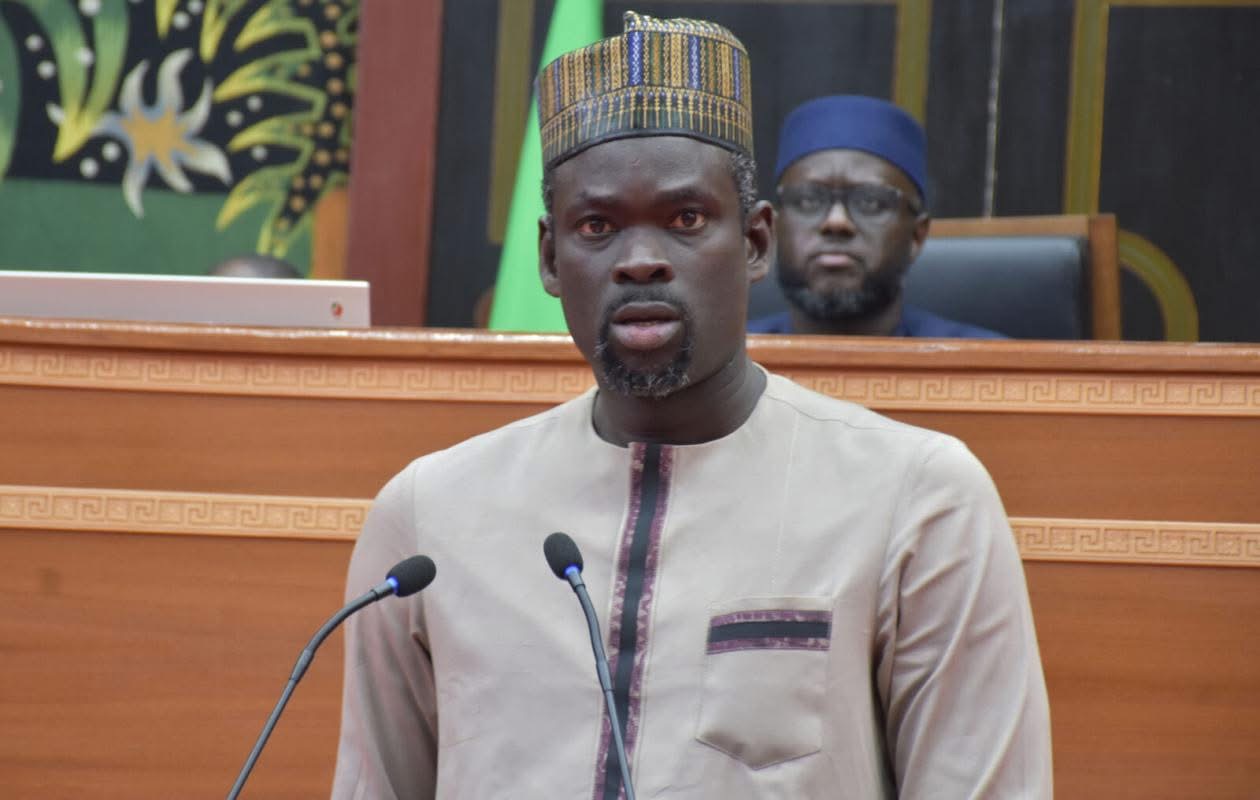
Me Abdoulaye Tall: Challenges Décret LFR 2026 Validity in Senegal
Summary
- The Loi de finances rectificative (LFR) 2026 was enacted by décret n° 2026-2416 on November 19, 2026, despite its rejection by the National Assembly.
- Me Abdoulaye Tall, a PASTEF-Les Patriotes deputy, is challenging the decree's constitutionality, arguing the executive cannot annul a parliamentary decision.
- He contends that the executive's regulatory power cannot override the National Assembly's vote, nor can the Constitution be adjusted by the executive.
- The LFR 2026 had faced two rejections in commission and involved a confrontation with Pastef deputies.
- The situation also involved the threat of Article 86 of the Constitution and concerns about financial partners' trust.
Legislative Stalemate and Executive Action
Me Abdoulaye Tall further asserts that the Constitution of Senegal cannot be unilaterally modified or adjusted by the executive branch.
The Loi de finances rectificative (LFR) 2026, a crucial financial bill, was ultimately implemented through a decree, specifically décret n° 2026-2416, issued on November 19, 2026. This executive action followed a period of significant parliamentary opposition and rejection. The proposed LFR 2026 had previously encountered substantial resistance within the National Assembly, failing to pass two separate times at the commission stage before it could even reach a full plenary session for debate and a vote. This sequence of events highlights a clear legislative deadlock between the executive and certain parliamentary factions.
The decision to bypass the legislative process via decree has ignited a constitutional debate, particularly concerning the separation of powers. This move by the executive came after the bill's outright rejection by the National Assembly, a parliamentary body whose role is to scrutinize and approve such financial legislation. The backdrop to this legislative struggle included a notable confrontation involving deputies from the Pastef political group, indicating a deeper political tension surrounding the LFR 2026.
Constitutional Challenge to the Decree
Me Abdoulaye Tall, a prominent deputy and member of the PASTEF-Les Patriotes parliamentary group, has publicly challenged the executive's decision to enact the LFR 2026 by decree. He argues that the National Assembly's rejection of the finance bill constitutes a definitive parliamentary decision, not merely an absence of one. According to Me Tall, the executive's regulatory power, exercised through a decree, cannot legitimately override or annul a vote or decision made by the National Assembly. This stance directly questions the legal validity of décret n° 2026-2416.
Me Abdoulaye Tall further asserts that the Constitution of Senegal cannot be unilaterally modified or adjusted by the executive branch. His challenge implies that the executive's use of a decree to implement the LFR 2026, despite parliamentary rejection, may infringe upon constitutional principles governing legislative authority and the checks and balances inherent in the Senegalese political system. The dispute centers on whether the executive's action respects the constitutional framework, particularly in light of the National Assembly's explicit refusal to pass the bill.
Broader Implications for Governance
The controversy surrounding the LFR 2026 and the subsequent challenge by Me Abdoulaye Tall carries significant implications beyond the immediate legislative process. The executive's decision to proceed with the finance law by decree, following its rejection by the National Assembly, has been framed as a high-stakes confrontation. This situation was exacerbated by the potential threat of invoking Article 86 of the Constitution, a provision that grants the executive specific powers in certain circumstances, though its application here is contested.
Moreover, the ongoing dispute has raised concerns about the potential for a loss of confidence among international financial partners. Such partners closely monitor political stability and adherence to constitutional norms, and a perceived disregard for legislative processes could lead to skepticism regarding Senegal's governance and financial reliability. The constitutional challenge initiated by Me Abdoulaye Tall, therefore, underscores a critical moment for the interpretation of legislative and executive powers in Senegal, potentially setting a precedent for future interactions between the branches of government.
Practical Implications
Lawyers and compliance officers in Senegal should monitor the constitutional challenge raised by Me Abdoulaye Tall regarding the LFR 2026 enacted by decree. The outcome of this dispute could impact the legal validity and enforceability of the finance law's provisions, potentially affecting financial planning, tax obligations, and regulatory compliance for entities operating in the jurisdiction.
Source
Source: Original reporting via Senegal7
How does this affect you?
Get an AI analysis of this article grounded in your jurisdictions, practice areas, and any policy documents you've uploaded to Wansom.
Finish Reading the Full Story and the Expert Analysis.
Get the latest legal & regulatory intelligence in Senegal
Wansom is AI and can make mistakes.